Zebulon fire chief: one hurt in Thanksgiving turkey garage fire
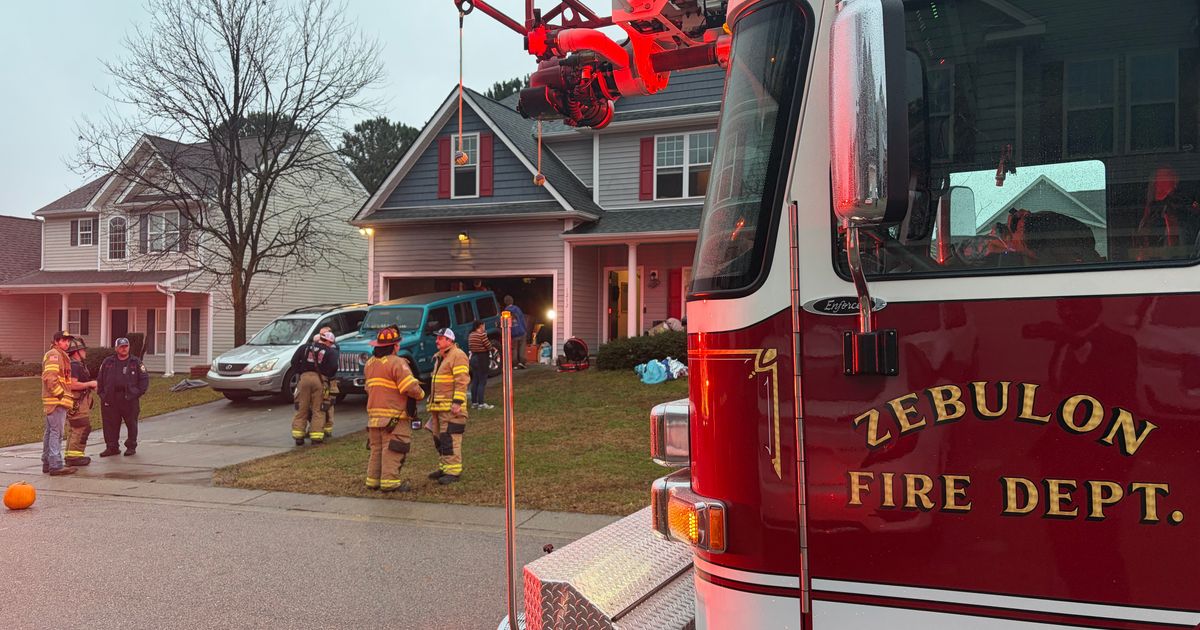
Zebulon Fire Chief Chris Perry said one man was hospitalized with burns after an accidental Thanksgiving fire in an attached garage on Braemar Highland Drive, where materials ignited as he prepared to deep-fry a turkey—not from a typical fryer mishap. The house was spared; the cause remains under investigation.
Key Takeaways
- Zebulon Fire Chief Chris Perry confirmed a man suffered burns and was hospitalized after a Thanksgiving afternoon garage fire on Braemar Highland Drive.
- Officials said materials inside the attached garage ignited before frying began, and the blaze was not a common frozen-turkey or overfilled-oil fryer accident.
- The fire damaged the garage but not the home, and no one was displaced; the injured man is expected to recover.
- Investigators have not determined the precise cause, while national data show cooking remains a leading cause of home fires.
For many households, Thanksgiving is also a peak moment for kitchen and outdoor cooking risk—and a reminder that protecting a home is part of protecting household wealth. Readers tracking everyday money moves can browse related coverage in our Wealth Hacks & Passive Income hub.
What did the Zebulon fire chief say happened?
According to Zebulon Fire Chief Chris Perry and local reports, the fire was reported just before 4 p.m. Thursday in the 1200 block of Braemar Highland Drive, off Water Plant Road in northwest Zebulon, North Carolina.
The blaze broke out inside an attached garage as a man prepared to deep-fry a Thanksgiving turkey in the eastern Wake County town, officials said. WRAL reported that firefighters placed the incident around 4 p.m. while someone was getting ready to cook a turkey in a deep fryer.
Perry said that before frying began, some “materials” inside the garage caught fire and the man suffered burns. The victim was taken to a nearby hospital for treatment and is expected to recover, according to officials cited by CBS17 and WRAL.
WRAL described the Thanksgiving turkey fire as accidental. Hoodline, citing WRAL, reported that the injured person was hospitalized with severe burns and that firefighters expected recovery.
For the primary local account, see WRAL’s report on the Zebulon garage turkey fire.
Was this a typical turkey-fryer accident, according to the chief?
No, according to Fire Chief Chris Perry. He said the man was not burned during a common turkey-frying mishap—the kind that typically happens when still-frozen meat is placed in the fryer or when a fryer contains too much oil.
“That minimizes what could have gone wrong,” Perry said about Thursday’s incident, according to CBS17. He added that investigators know the fire was not from those common mistakes and that more details should emerge in the days to come.
Authorities are still investigating and have not released a precise cause. Hoodline noted that available accounts do not establish what ignited the fire. The blaze caused damage inside the garage, but the fire did not damage the home, and no one was displaced, officials said.
That distinction matters for readers: holiday cooking can go wrong in more than one way. Even when the classic oil-overflow scenario is ruled out, garage prep areas still carry ignition risks from nearby materials, heat sources, and confined spaces.
Why does fryer location and preparation matter for safety?
The garage setting is relevant to broader safety guidance fire officials share each holiday season. Hoodline relayed advice from the Bristol Kendall Fire Protection District, reported by WCSJ News, urging people to keep fryers outside—away from garages and homes.
That same report cited Fire Marshal Mike Torrence’s guidance to use a fully thawed, dry turkey, because moisture can make hot oil bubble over and ignite. For a grease fire, Torrence advises against water, which can spread burning oil, and recommends smothering flames with a pan.
These are general safety recommendations, not findings about how the Zebulon fire began. Still, they explain why chiefs and marshals stress outdoor placement, clear surroundings, and careful prep before oil ever hits heat.
From a household-budget angle, a garage fire can threaten vehicles, tools, stored goods, and—worst case—an entire residence. Avoiding preventable cooking fires is one of the simplest ways families protect equity built into a home.
How common are cooking fires, and what is still unknown in Zebulon?
Cooking fires remain a wider household hazard. Hoodline noted that the U.S. Fire Administration reports cooking was the leading cause of home fires in 2024. That national statistic covers cooking fires broadly; it does not measure turkey-fryer fires specifically or explain the Zebulon incident.
Locally, investigators have not released further details about the fire or the injured person’s condition beyond the initial report of burns and the expectation of recovery. The cause remains under investigation, Perry indicated.
What is known is limited but clear: one person was hurt, the garage was damaged, the dwelling itself was not, and the community’s fire chief has already ruled out the most familiar turkey-fryer errors while probing what materials ignited.
As more official updates emerge, the practical takeaway for households holds: treat deep-frying as an outdoor, fully thawed, carefully staged task—and keep flammable materials far from heat. That habit protects people first, and it also protects the property and savings families work hard to build.