World news: Inside No 10 as Andy Burnham became PM
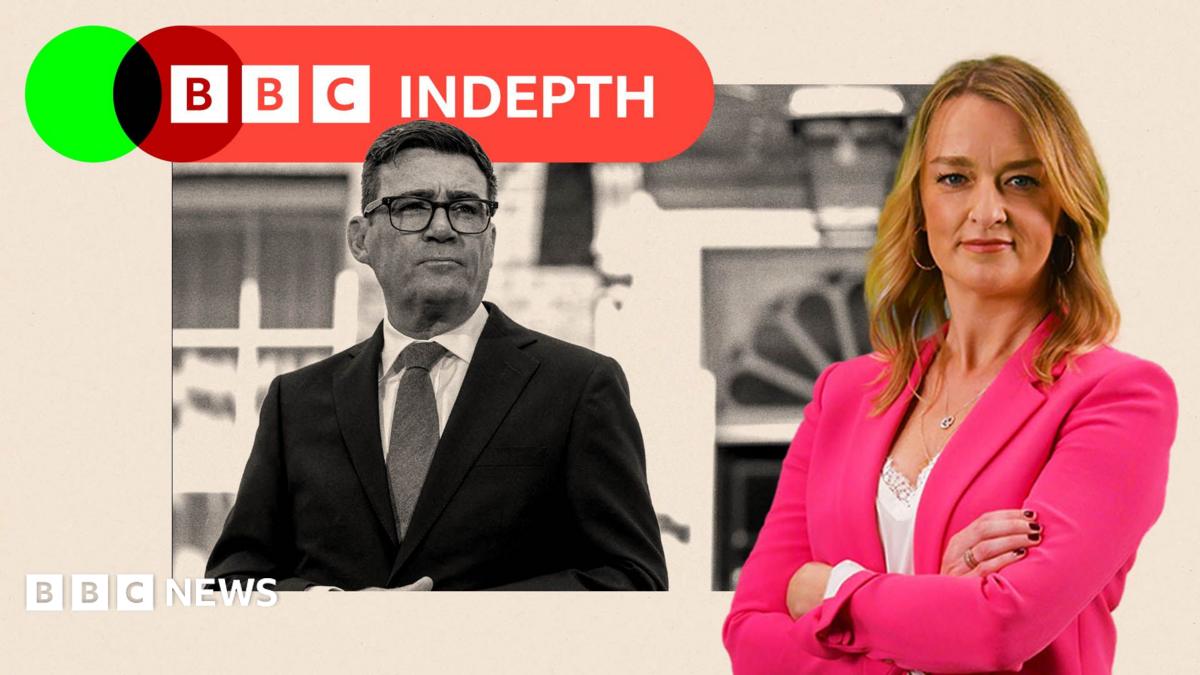
BBC access inside No 10 shows Andy Burnham arriving as Britain's 59th prime minister to staff applause, then opening his first week with cost-of-living pledges and a new Manchester base. For world news watchers, the exclusive glimpse marks a sharp shift in style from Keir Starmer's tenure.
Key Takeaways
- Laura Kuenssberg's BBC team gained rare behind-the-scenes access as Burnham entered No 10, became Labour leader, and opened No 10 North in Manchester.
- Early moves include a VAT cut on electricity bills, a £2 bus fare cap, and a 20% business-rate cut for pubs.
- Burnham says he will honour the 2024 manifesto while promising the biggest change in four decades.
- His freewheeling social-media style contrasts with Starmer's more traditional media approach, according to The Guardian.
What happened behind the famous black door?
According to the BBC's Laura Kuenssberg, a Downing Street official told staff "You can clap now" before Burnham and his wife, Marie-France van Heel, walked in. Applause filled the corridor to the Cabinet Room, left ajar for the new leader to start work.
Kuenssberg's team was allowed inside at three pivotal moments in the first week: Burnham's confirmation as Labour leader, his arrival at No 10, and day one at No 10 North. The BBC also secured a half-hour interview after weeks of accusations that he had avoided tough questions.
Personal touches surfaced quickly. Burnham rated pub snacks with Chancellor John Healey on Instagram and shared pictures of the family dog, Axel, whom he described as having "angry little man energy". The T-shirt-and-bomber-jacket look did not make it through the door; he arrived in a buttoned-up suit.
How does Burnham's leadership differ from Starmer's?
Six weeks before taking office, Burnham was not even an MP. After a bloodless succession in which he became Labour leader unopposed, he has leaned into social media—Reddit AMAs, TikTok appearances, and replies on X—rather than heavy traditional scrutiny, The Guardian reports.
"Sugar rush" cost-of-living announcements are designed to give households breathing space: cutting VAT on electricity (about £45 a year on average), capping bus fares at £2, and cutting pub business rates by 20%. The energy measure is to be funded by scrapping the digital ID system.
He has also launched No 10 North in Manchester as a "nerve centre" for devolution and created a powerful prime minister's department overseen by ally Louise Haigh. More than half of Starmer's cabinet were removed or demoted in the first reshuffle.
What unresolved questions still hang over No 10?
In the BBC interview, Burnham was fluent on social care, Manchester's record, and empowering local leaders. He said he had "brought it straight forward" on care—understood as speeding Baroness Louise Casey's review rather than unveiling a full National Care Service plan.
He indicated "new eyes" on a 10-year wait before migrants can settle permanently, hinting care workers might be exempt. On welfare, he said Britain must "get serious" about cutting the bill and suggested tougher conditions for some claimants. He pointed to a possible council-tax shake-up for the most expensive properties while repeating 2024 pledges on income tax, VAT, and National Insurance.
Asked if he trusts Donald Trump, he would not say twice. On taking a call from Vladimir Putin, he paused: "I'd have to know the circumstances." Follow more Celebrity Breaking News coverage as his programme firms up.
As Burnham told Kuenssberg when asked why leadership took three attempts: "I like to make an entrance." The applause on arrival is over; the harder tests—debt, defence, immigration, and markets—are only beginning.