World Cup final highlights crypto's shrinking sports role
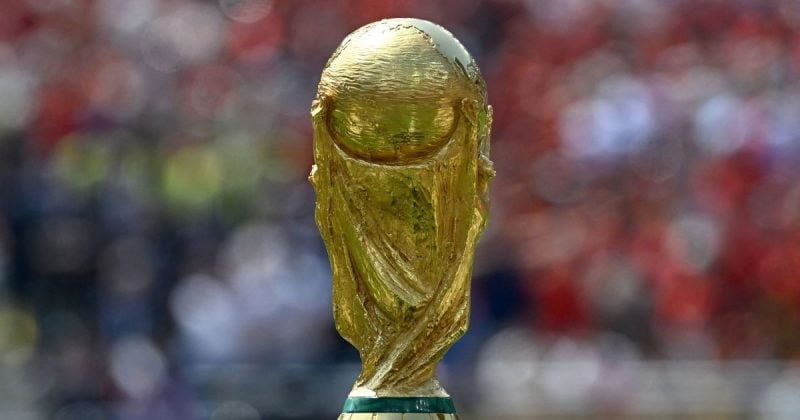
The 2026 World Cup final highlights cryptocurrency's near-total absence from global sports marketing and betting, a sharp reversal from the sponsorship-heavy 2022 Qatar tournament. Spain faced Argentina before a billion-plus audience with almost no crypto logos, fan tokens, or blockchain partners in the mainstream narrative—underscoring how FTX's collapse and fading consumer campaigns have shrunk the industry's sports footprint.
Key Takeaways
- The Spain–Argentina 2026 FIFA World Cup final drew a global audience with virtually no visible crypto sponsorships or fan-token campaigns.
- That silence contrasts with 2022 in Qatar, when Crypto.com, Algorand, and fan-token platforms were prominent partners.
- FTX's late-2022 collapse and regulatory pressure helped cool leagues' appetite for crypto branding.
- Traditional sportsbooks dominated betting coverage; crypto prediction markets and Web3 platforms stayed sidelined.
- Analysts now see more promise in sports infrastructure use cases than in speculative fan tokens.
Spain and Argentina met in the 2026 FIFA World Cup final at the New York–New Jersey stadium complex, an event expected to draw more than a billion viewers. Yet, as Crypto Briefing reported, cryptocurrency was almost entirely missing from the pre-match and match-day conversation.
For readers tracking digital-asset markets, the pattern sits squarely in our Fintech & Crypto Alerts coverage: institutional crypto has recovered, but consumer sports marketing has not.
Why does the World Cup final highlight crypto's retreat?
In 2022, crypto brands blanketed major sports. FTX put its name on the Miami Heat arena. Crypto.com bought Staples Center naming rights in a deal reported at about $700 million over 20 years. Binance, Coinbase, and fan-token platforms spent heavily to attach themselves to elite leagues.
The Qatar World Cup featured prominent crypto sponsorships. Algorand served as FIFA's official blockchain partner. Fan tokens, including Socios products on the Chiliz chain for clubs such as Barcelona and Paris Saint-Germain, were sold as fan "engagement."
By the 2026 final, that noise had gone quiet. No major crypto sponsorships dominated the media cycle. No blockchain protocol shared billing with the Trionda Final match ball. Mainstream coverage focused on football, not tokens.
What happened to fan tokens and sports sponsorships?
Fan tokens were pitched as crypto's path into mainstream culture: buy a token, vote on minor club decisions, feel closer to the team. In practice, many traded like meme coins—spiking on match days and collapsing afterward—while European regulators tightened scrutiny.
FTX collapsed weeks before the 2022 World Cup ended, turning a marketing victory lap into a credibility crisis. Super Bowl crypto ads that crowded the 2022 broadcast have largely disappeared. Celebrity NFT pitches became punchlines. Leagues and federations grew far more cautious about partnerships.
Markets themselves have healed since the bear-market lows: Bitcoin has hit new all-time highs, and ETF-driven institutional adoption has accelerated. The culture-facing marketing that once chased stadium crowds has pulled back dramatically.
Did crypto miss sports betting's biggest stage too?
Argentina, the defending champions, failed to register a shot in the first half against Spain at MetLife Stadium, while traditional books dominated one of the most heavily bet sporting events in history. Pre-match lines had Spain as slight favorites at −0.5 on the spread, with a 2.5-goal total.
No major crypto tokens were linked to betting activity around the match. Blockchain prediction markets and Web3 fan platforms did not break into mainstream coverage. For holders of tokens tied to decentralized betting, the final was a missed moment: the audience and the wagering volume were there; crypto was not.
The more durable path may be infrastructure—blockchain ticketing, rights management, and athlete payments—rather than asking fans to speculate on volatile assets. That shift helps explain why this World Cup final highlights how thin crypto's consumer sports footprint has become.