Wimbledon 2026: How Arthur Fery can stun Cobolli today
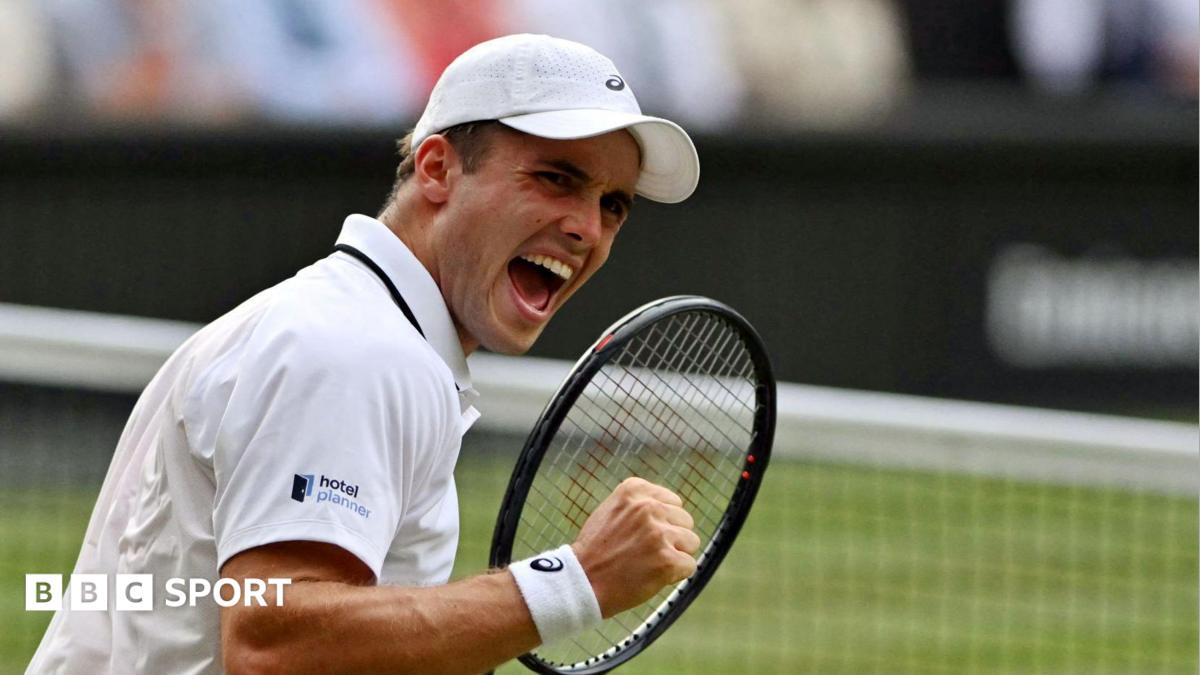
DIRECT ANSWER 40-60 words To beat Flavio Cobolli and reach the Wimbledon semi-finals, Arthur Fery must play “wimbledon today” like a pressure test: attack Cobolli’s second serve, rush the net, and finish with clean volleys. He also needs to blunt Cobolli’s heavy forehand by taking time away and using the backhand down the line.
Key Takeaways
- Win the net battle: Fery’s best numbers at SW19 come when he serve-volleys and closes points.
- “Crush and rush” the second serve: Aggressive returns + instant forward movement can deny Cobolli rhythm.
- Don’t feed the forehand: Make Cobolli hit under pressure and redirect with the backhand down the line.
- Expect a long one: A high total-games line reflects how often both have gone four-plus sets.
What happened to set up Fery vs Cobolli, and why does it matter?
Fery, 23, is trying to reach the Wimbledon last four when he meets Italian ninth seed Flavio Cobolli on Wednesday on Centre Court. The stakes go beyond one match: the BBC notes a win would make Fery only the fifth British man to reach the Wimbledon semi-finals since 1968.
And the matchup is strange in the most Wimbledon way: this isn’t a “servebot” story. The BBC frames Fery’s route as a grass-court puzzle solved with movement, timing, and finishing at the net rather than unreturnable serves.
If you’re here for the broader oddities of sport and spectacle, that’s why this belongs on our [Bizarre World](https://blasterpost.com/category/bizarre-world/) radar: the underdog’s best chance is basically to turn Centre Court into a sprint-and-volley laboratory.
What must Arthur Fery do tactically to beat Flavio Cobolli?
The BBC’s blueprint is blunt: move sharply, volley well, and come forward at the right moments. Fery’s athleticism is described as a core weapon, letting him extend points and then pounce.
The numbers back it up. At this Wimbledon, Fery has won 78% of serve-and-volley points and 63% of points overall at the net—the second-highest net-point success rate in the men’s draw, per the BBC.
Then comes the key phrase. Jamie Murray says Fery needs to “crush and rush” Cobolli’s second serve: return aggressively and move quickly to the net so Cobolli (ranked world number 10, per the BBC) doesn’t get time to settle into the next shot. Murray’s reasoning is simple: returning and coming forward forces an immediate passing-shot problem.
How can Fery neutralise Cobolli’s forehand and movement?
Cobolli’s threat, as the BBC lays it out, is athletic positioning followed by a heavy forehand—with the added detail that he was once a promising footballer on Roma’s books. The BBC also says Fery is ranked as the best mover among the men’s quarter-finalists, just ahead of Cobolli and top seed Jannik Sinner, so this is speed vs speed, not speed vs power.
Alex Ward, an LTA men’s national coach helping Fery, tells the BBC the priority is pressure: stop Cobolli using his forehand. Ward points to one practical route—use the backhand down the line—because Cobolli likes to run his forehand from the backhand corner.
What do the odds and “games” line suggest about wimbledon today?
Sports Illustrated lists Cobolli as a clear favourite (around -286), with Fery the underdog (around +226). But SI’s recommended angle isn’t a straight winner—it’s the over 38.5 games, expecting a longer match.
SI notes Cobolli has played 42, 42, 48, and 34 games in his four matches, while Fery has played 32, 43, 54, and 54. SI also says Cobolli’s lone straight-sets win came in the fourth round against No. 5 Alex de Minaur, while Fery has played at least four sets in every match, and already owns a career win over Cobolli in a Grand Slam earlier this year.
Put it together and the question becomes: can Fery execute the BBC’s “crush and rush” plan often enough to turn underdog energy into net-first math? For the full tactical breakdown, see the authoritative report from BBC Sport.