Why the US wants to dismantle the ICC, critics argue
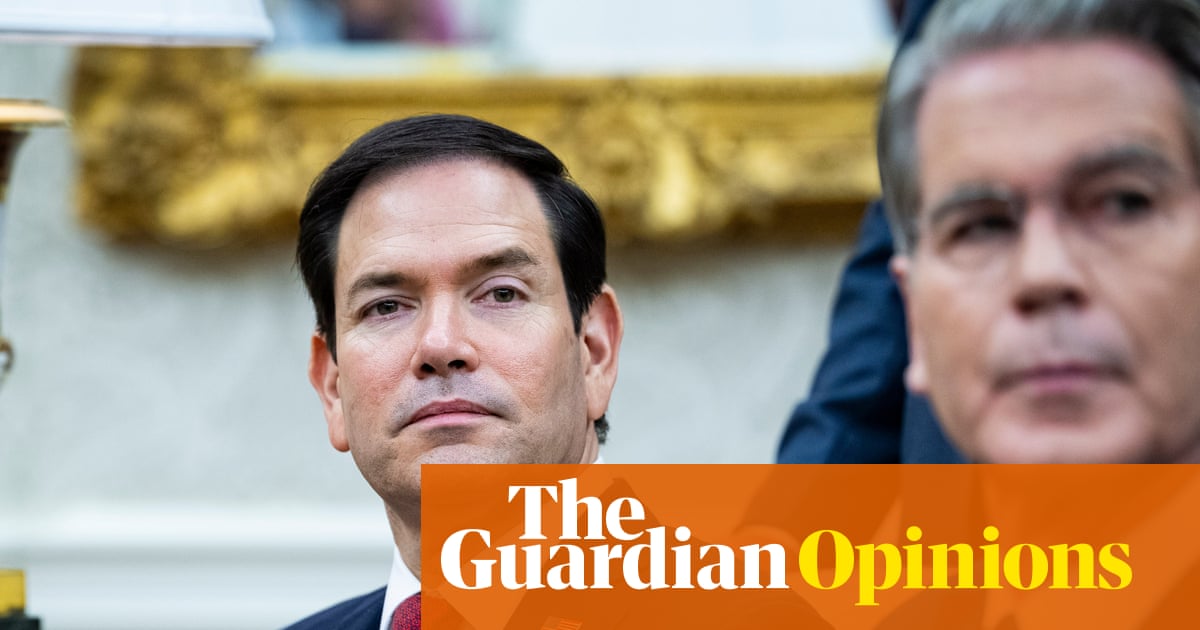
The US wants to dismantle the ICC because Secretary of State Marco Rubio calls the court a sovereignty threat that could reach American personnel abroad. Critics, including Kenneth Roth, say the real goal is impunity for alleged war crimes committed on ICC member territory—not crimes inside the United States.
Key Takeaways
- Marco Rubio vowed to “dismantle” the ICC, framing it as a threat to US sovereignty.
- Kenneth Roth says the ICC has no jurisdiction over crimes committed in the United States.
- Washington’s deeper fight is over territorial jurisdiction covering non-member nationals abroad.
- Rights groups have sued, arguing ICC-related sanctions chill advocacy tied to Gaza probes.
- Tools under discussion include more sanctions, travel bans, and pressure on cooperating states.
Secretary of State Marco Rubio this week pledged to take apart the Hague-based court, writing in the Wall Street Journal that the administration would “dismantle the ICC — brick by brick, if necessary.” In a companion video and op-ed, he warned that unchecked “overreach” could put Border Patrol agents, prosecutors, and Marines under the tribunal’s reach—language also highlighted by AP News.
For readers tracking accountability stories in our True Crime & Unsolved Mysteries coverage, the clash is less a mystery than a power struggle over who can investigate the world’s gravest alleged crimes.
Why does the US say the ICC is a threat?
Rubio argues the ICC is interfering with US military and law enforcement and that accepting its authority would mean “the death of the U.S. as a sovereign and independent nation.” He has cast the court as backed by “leftist nongovernment organizations, smug globalists, and hostile Third World governments,” according to reporting on his Journal essay.
Former Human Rights Watch chief Kenneth Roth calls that picture fiction. He notes the ICC has about 125 member states, including virtually all of Europe, and “no jurisdiction over crimes committed in the United States.” Unless US police or Border Patrol were deployed abroad, he writes, the court could not charge them for domestic conduct.
What does territorial jurisdiction actually mean?
Roth says the administration’s real objection is the court’s power to prosecute atrocities on a member state’s territory even when the suspect is from a non-member country. That rule underpinned the March 2023 case against Vladimir Putin over Ukrainian children—and, later, November 2024 arrest warrants for Israeli leaders Benjamin Netanyahu and Yoav Gallant tied to Gaza, after Palestine’s membership gave the court a territorial foothold.
The United States and Israel are not ICC members and reject the court’s authority. Roth argues Washington cheered territorial jurisdiction against Russia, then recoiled when the same logic reached Israel—and that Trump later sanctioned ICC judges and prosecutors.
How is Washington trying to dismantle the ICC?
Beyond rhetoric, Rubio has promised fresh sanctions on court personnel and pressure on governments that cooperate with the ICC. The State Department has pointed to possible additional sanctions, visa revocations, travel bans, and “increased scrutiny” of nations that rely on US assistance yet refuse to reject the court’s claimed authority over Americans.
Separately, DAWN and the Taxpayer Alliance Against Genocide sued in Manhattan federal court, saying last year’s executive order and follow-on sanctions—imposed after the Gaza-related warrants—forced them to self-censor and cut contact with sanctioned Palestinian groups and UN rapporteur Francesca Albanese. They argue the measures illegally impede advocacy for Palestinians.
Roth’s bottom line is blunt: Rubio’s “risks posed to Americans” pitch, he says, really means the risk that officials could face justice for alleged war crimes in ICC states—and for steps such as sanctions that some argue obstruct the court’s work.