Why electric vehicles cost more to insure—and what’s next
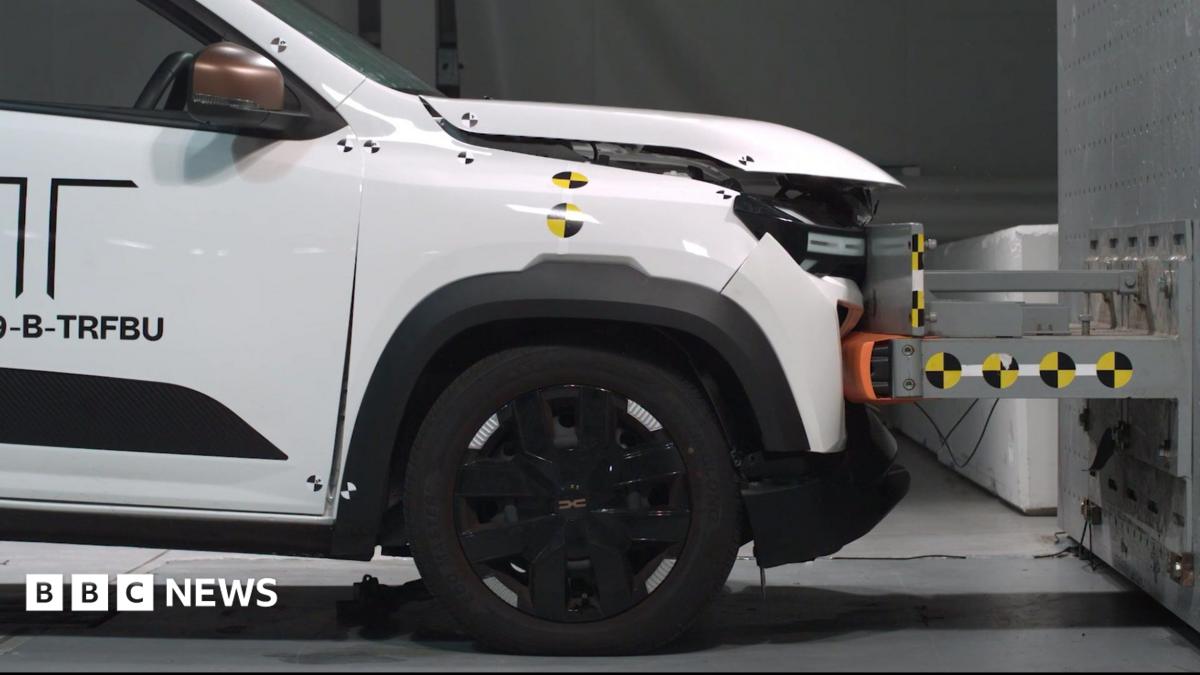
Electric vehicles often cost more to insure because they’re typically pricier to repair, can spend longer in repair shops, and may be written off more readily when key components (especially battery systems) are damaged. That matters because insurance is a recurring cost that can slow mainstream electric vehicle adoption—even when running costs are lower.
Key Takeaways
- Repair bills are higher: Industry testing cited by the BBC says EVs cost about 30% more to repair and take 14% longer to fix.
- Premiums follow claims costs: The BBC says EV insurance can be 10–25% higher depending on model.
- Canada shows a wider gap: A Canadian report cited by Insurance Business puts EV premiums 36.8% higher on average.
- Repairability is the lever: Efforts focus on making batteries and vehicles easier to repair to avoid unnecessary write-offs.
Why does an electric vehicle cost more to insure?
Insurers price risk based on what claims cost. When repairs are more expensive and take longer, insurers can end up paying more per claim—and that can translate into higher premiums.
In testing and analysis referenced by the BBC, Thatcham Research (which works on behalf of the insurance industry) says EVs cost around 30% more to repair than petrol or diesel models and take 14% longer to fix. The BBC reports this can mean it costs 10–25% more to insure an EV, depending on make and model.
That “niggling concern,” as the BBC describes it, can become a real buying barrier because it’s not a one-off expense—it hits every renewal.
What’s driving repair and write-off costs?
One practical issue is time. If an EV takes longer to repair, it can sit in the workshop longer, pushing up associated costs that insurers may cover (such as longer periods with a replacement vehicle, per the BBC’s explanation of the cost chain).
Another pressure point is repairability—especially around battery systems. EV World’s synopsis argues the industry’s next big challenge is building a mature repair ecosystem as the global fleet ages beyond factory battery warranties. Without safe, standardized high-voltage diagnostics and component-level pack restoration, the risk is that otherwise usable vehicles get totaled prematurely.
In Canada, Insurance Business describes the problem as circular: adoption is lower, claims data is thinner, pricing stays conservative, and higher premiums can dampen adoption. It reports an average annual premium of $3,131 for EVs versus $2,289 for gas-powered vehicles (a 36.8% gap), citing Sussex International data covering 12 months of premiums and claims.
What’s being done to bring premiums down?
The clearest theme across the sources is “make EVs easier to repair.” The BBC reports Thatcham Research is testing EVs to understand cost drivers and has produced a manufacturer blueprint with recommendations aimed at keeping repairs simpler and avoiding unnecessary write-offs.
The BBC also notes work “to make repairs to battery packs more technically feasible,” while respecting safety protocols and insurer requirements. Importantly, it points to progress: the BBC says the most recent EV models have average repair costs that are 18% higher than conventional counterparts—still higher, but less than earlier gaps.
EV World frames this as a maturity milestone: repair infrastructure and standardized processes become as essential as charging for keeping EVs on the road long-term, including circular reuse of components.
What can drivers do right now?
The sources focus more on system fixes than shopping tips, but they do underline one immediate reality: EV insurance varies by model and market, and it can be meaningfully higher than expected.
If you’re weighing an EV purchase, treat insurance as part of the total cost conversation (alongside fuel and maintenance), and look for clearer repair pathways in newer designs—because repairability is what insurers ultimately price.
For more practical longevity-focused ownership thinking (including the hidden stressors of recurring costs), see our Longevity & Biohacking hub: https://blasterpost.com/category/longevity-biohacking/. For the primary reporting and figures, read the BBC’s explainer: Why electric cars cost more to insure – and what’s being done about it.