Who started the fire? Europe's arson intelligence gap
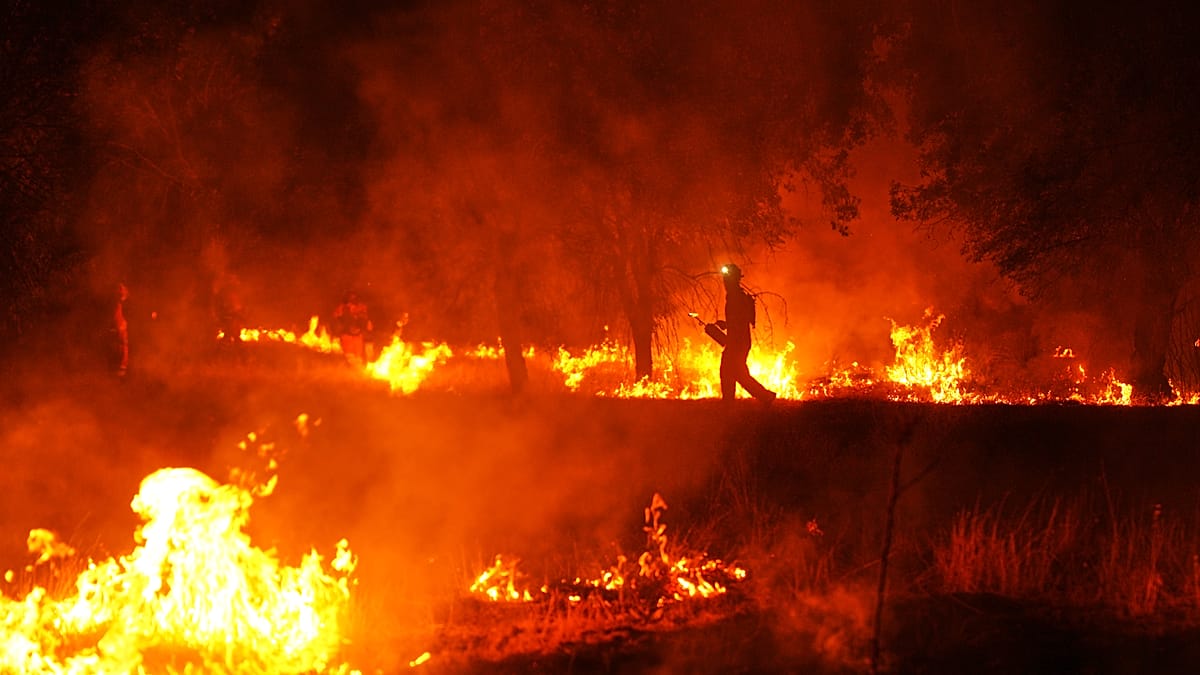
Europe can map wildfires from space and rush firefighters across borders, but it still cannot answer who lit many of them. Arson remains a national crime with fragmented laws and no EU-wide intelligence picture, even as heatwaves turn every ignition into potential catastrophe. As France battles historic blazes and courts in the Var weigh fresh cases, the gap between emergency response and criminal insight is hard to ignore.
Key Takeaways
- The EU coordinates wildfire aid and satellite monitoring, yet deliberate ignition stays a fragmented national matter.
- France has arrested 184 suspected arsonists since the start of summer amid Gironde fires that burned 42,000 hectares.
- There is no harmonised EU definition of arson and no Eurostat-style dataset on deliberate fire-setting.
- Spain and Portugal restrict converting burned forest land to curb possible economic motives for intentional fires.
- Climate change does not create more arsonists, but it makes every ignition far more likely to become a disaster.
Who starts Europe's wildfires, and why does it matter?
European authorities face increasingly extreme wildfire seasons as climate change makes each one more destructive. Through the EU Civil Protection Mechanism, the European Commission coordinates assistance between member states, while the rescEU reserve has expanded Europe's shared pool of firefighting aircraft, equipment and other emergency resources.
That progress answers how to fight a fire after it starts. It does not answer how the fire began. Intentional ignition remains largely a national matter, with criminal laws, investigation methods and reporting practices varying widely across the bloc. The EU can map fires from space and coordinate responses across borders, but it has no comparable European picture of who starts deliberate fires, or why.
French Prime Minister Sébastien Lecornu underscored the stakes during the latest crisis, writing that not all fires are accidents and that deliberately set fires are a crime punishable by 15 years of criminal imprisonment. "Security forces are fully mobilised to identify arsonists. They will be found, arrested, and held accountable for their actions before the courts," he wrote on X, according to Euronews.
What counts as arson under European laws?
Wildfire agencies generally classify fires by cause: natural, accidental, intentional and unknown. Natural fires are mostly linked to lightning. Human-caused fires account for the overwhelming majority of ignitions in Europe, spanning accidents from machinery, agricultural work, campfires, fireworks or discarded cigarettes, as well as fires set deliberately.
Broadly, arson means the deliberate setting of fire to property, forests or land. Legal consequences depend on what burns, the danger created and the damage caused. A Joint Research Centre review identified motivations behind intentional fires including pasture renewal, vandalism, retaliation against private individuals or public authorities, and conflicts over land management.
There is no harmonised EU definition of arson. Criminal law remains a national competence. Spain and Portugal have specific offences for forest fires. Germany approaches arson through a broader hierarchy of offences tied to danger to human life and protected assets.
Under French law, setting fire to another person's woods, forests, heathland, scrubland, plantations or reforested areas can bring up to 15 years' imprisonment and a €150,000 fine when the offence is likely to expose people to injury or cause irreversible environmental damage.
Some southern European countries have tried to remove one possible economic incentive: the prospect that burned land could later become more valuable or easier to develop. Spain introduced a general 30-year restriction on changing the status of burned forest land, except under strict conditions. Portugal introduced a similar framework lasting 10 years in many cases.
Readers tracking land and asset angles can browse BlasterPost's Wealth Hacks & Passive Income hub for related coverage of property incentives and risk. Researchers caution that land speculation is only one of several possible motivations.
How big is France's arson crackdown right now?
The intelligence gap is not abstract while France fights one of its worst fire seasons on record. Interior Minister Laurent Nuñez said that since the start of summer, internal security forces have arrested 184 people on suspicion of arson. "For we are showing total determination to identify every arsonist: no leniency toward those who endanger lives, expose our firefighters to risk, and destroy our heritage," he wrote on X, as reported by The Mirror.
In Gironde, wildfires have ravaged about 42,000 hectares and forced the evacuation of more than 220,000 people over the past week, France's largest peacetime evacuation. Nuñez said wildfires in France have burned more than 116,000 hectares since the start of 2026. A fresh heatwave threatened firefighters' hold, with Météo-France forecasting up to 42C in Bordeaux and a high fire risk for all regions. More than 2,200 firefighters and over 20 aircraft remained mobilised.
Separate from Gironde, prosecutors in the Var confirmed two people, including a 15-year-old boy, face court over three vegetation fires. A 39-year-old man was arrested after a blaze near a Lidl in Ollioules; he claimed a lighter stuck while lighting a cigarette after being refused store entry while intoxicated. The fire burned about 40 square metres. He was placed in pre-trial detention ahead of Toulon Criminal Court.
The teenager from Cuers is accused of starting two fires near the Valcros forest on 10 and 11 July. Investigators say the first was caused by a poorly extinguished cigarette; he admitted deliberately setting pine needles alight with a lighter the next day. Together the fires burned about 600 square metres and required two water-bombing helicopters. Prosecutors stressed the incidents are not linked to the major wildfire near Pontevès, but warned anyone deliberately starting fires in high-risk conditions can expect a firm judicial response.
Why can't satellites close Europe's arson intelligence gap?
The EU's Copernicus programme and the European Forest Fire Information System (EFFIS) give authorities fire danger forecasts, plus satellite data on location, spread and damage. Satellites cannot determine whether an ignition was deliberate, identify who was responsible, or establish a motive. For that, authorities still depend on national police investigations, forensic evidence and local knowledge.
EFFIS has developed common cause categories, but the availability and quality of cause data still vary between countries. Eurostat produces harmonised statistics for offences such as homicide and robbery. There is no comparable EU-wide dataset on deliberate fire-setting, partly because national classifications and reporting practices differ so widely.
Europol has flagged environmental crime as a priority under EMPACT. Yet that work has focused largely on waste trafficking, pollution and illegal exploitation of natural resources. Deliberate wildfire-setting remains a comparatively underdeveloped area of European criminal intelligence.
Climate change sharpens the stakes. The European Commission has warned that hotter summers, droughts and heatwaves dry out vegetation and make fires likelier to spread rapidly. In 2025, the Commission said the cumulative burned area in the EU exceeded one million hectares, the highest level recorded in the bloc's wildfire monitoring history. Europe can detect wildfires and coordinate emergency responses—but when it comes to who started the fire, and why, it still depends on fragmented national investigations.