White House teleprompter operator made $100K on Trump bets
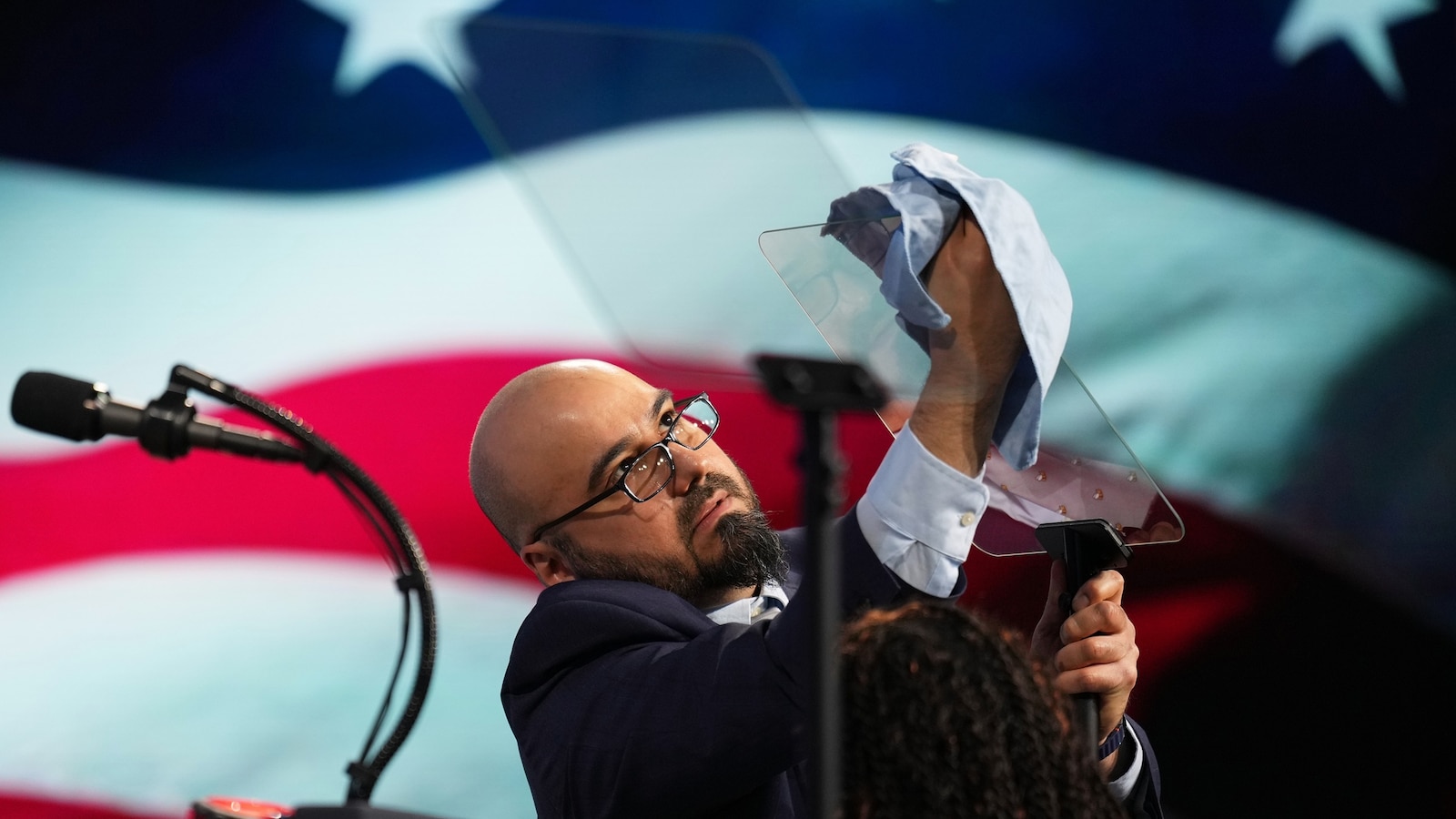
A White House teleprompter operator allegedly made more than $100,000 betting on words and topics in President Donald Trump's speeches, sources told ABC News, the BBC and CNN. Gabriel Perez is under a Commodity Futures Trading Commission probe after Kalshi flagged the trades; federal prosecutors declined criminal charges.
Key Takeaways
- Gabriel Perez, Trump's teleprompter operator since 2016, allegedly won more than $100,000 on Kalshi "Mentions" markets tied to presidential speeches, ABC News reported citing sources.
- Kalshi froze roughly $90,000 in profits and referred the activity to the CFTC after spotting unusual betting patterns in March.
- Investigators linked bets to more than a dozen speeches over about three months, including the State of the Union, a Davos address, and a Medal of Honor ceremony.
- Perez has been cooperative and is in settlement talks that could require returning profits; Manhattan prosecutors declined a criminal case.
- White House press secretary Karoline Leavitt said Perez is on unpaid leave and will no longer work at the White House.
What did the White House teleprompter operator allegedly do?
According to sources familiar with the matter who spoke to ABC News, Perez is a technical assistant who has run Trump's teleprompter since 2016. He is accused of using advance knowledge of prepared remarks to wager on whether specific words, phrases, or topics would be spoken aloud.
Those wagers were placed on Kalshi, a regulated prediction market. The platform's "Mentions" contracts let users bet on language that appears during public speeches and broadcasts.
ABC's sources said the CFTC found Perez placed bets on more than a dozen Trump speeches across a three-month stretch. That list included a December primetime address, a January speech at the World Economic Forum in Davos, Switzerland, Trump's State of the Union, and March remarks at a Medal of Honor ceremony.
In some cases, investigators reportedly saw Perez exit bets mid-speech after Trump skipped lines that contained words he had wagered would be mentioned.
How did regulators and Kalshi uncover the bets?
Kalshi told the BBC its analysts noticed unusual activity on mention markets in March, then used account data to identify a federal employee operating White House teleprompters. The firm froze more than $90,000 before it could be withdrawn and reported the matter to the CFTC.
CNN, citing sources, said Perez made more than $90,000 in profits from the flagged trades and that those profits have been frozen. Kalshi's head of enforcement, Robert DeNault, said the company's surveillance team referred the trades and is assisting regulators.
Sources told ABC that Perez sat for an interview with regulators in recent months and acknowledged some of the trades. The CFTC later alerted federal prosecutors in Manhattan, who declined to open a criminal investigation.
Regulators have discussed a settlement that would require Perez to return profits and stop similar trading, ABC reported. BBC sources said he has been "fully cooperative" with the CFTC.
What has the White House said, and why does it matter?
Press secretary Karoline Leavitt told the BBC that President Trump was aware of the teleprompter operator, that the staffer is on unpaid leave, and that Perez would no longer work at the White House.
ABC previously reported that the White House issued an internal memo later in March warning staff not to use nonpublic information to place prediction-market bets. The episode lands in a wider debate over insider access and prediction markets—territory often tracked alongside other accountability stories in True Crime & Unsolved Mysteries.
Because a teleprompter operator can see last-minute edits and prepared text before the public does, the allegation raises a basic fairness question: whether privileged White House access was converted into a private betting edge. No criminal charges have been filed, and the civil regulatory process is still unfolding through settlement talks.