When was the last eclipse? A first-timer's story from Spain
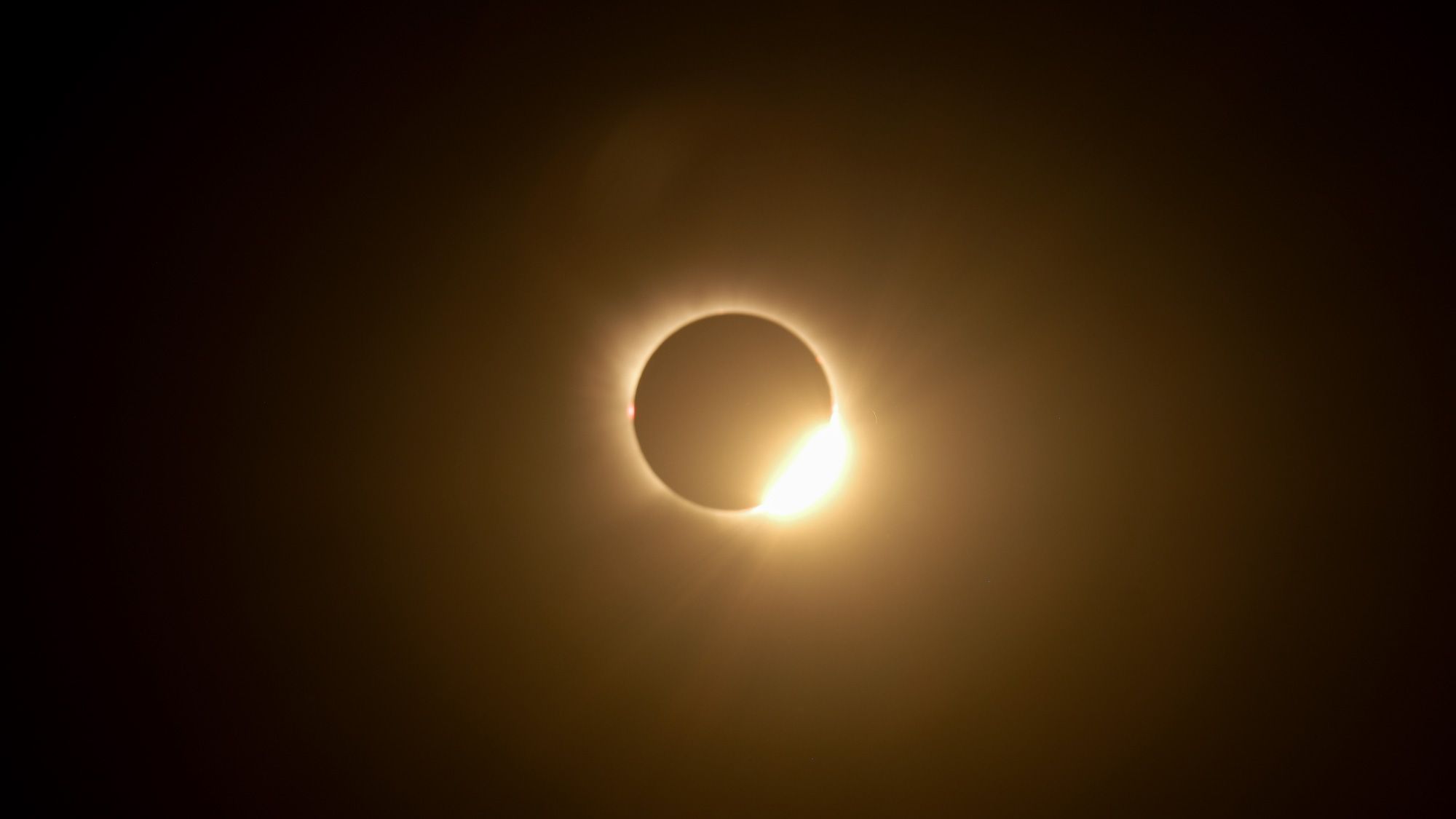
For millions across Europe on Aug. 12, 2026, when was the last total solar eclipse many veteran chasers could compare it to? The Dynamic Eclipse Broadcast team had already captured the Great American Eclipse of 2024; for Space.com writer Anthony Wood and dozens gathered in Spain, this was a first unforgettable blackout beneath a false twilight. The Aug. 12 event drew skywatchers, citizen scientists, and faith groups into the path of totality from Valoria la Buena to Sagunto.
Key Takeaways
- The Aug. 12, 2026 total solar eclipse reached maximum coverage around 8:30 p.m. in Sagunto, Spain, after beginning near 7:30 p.m.
- Space.com skywatching writer Anthony Wood witnessed 1 minute and 37 seconds of totality in Valoria la Buena with DEB citizen scientists streaming corona data to NASA.
- For many participants at the Geoscience Research Institute Faith and Science Conference, it was their first total solar eclipse.
- Wood described a "black star" in false twilight, with Venus visible and the sun's corona stretching beyond the moon's silhouette.
- Another total solar eclipse is expected in 2027, but observers say each event is unique in corona, altitude, and company.
When was the last total solar eclipse before August 2026?
For the DEB Initiative volunteers who joined Anthony Wood in central Spain, the most recent total solar eclipse they had worked was the Great American Eclipse of 2024, according to Space.com. Team lead Charles Greenwald assembled family and students for that campaign after discovering the project in Sky & Telescope during a stopover in Sydney, Australia.
Wood, 37, had never before stood inside the moon's inner shadow despite years writing about the sky. When Space.com offered him the chance to report on the 2026 eclipse from Spain, he called it a perfect blend of science, awe, culture, and faith. For attendees at a parallel gathering in Sagunto, the moment was equally unprecedented — most had never seen totality before.
What happened during totality in Valoria la Buena?
Wood covered the eclipse from the small pueblo of Valoria la Buena, where the DEB team captured data on the sun's corona and transmitted a live feed to a NASA webcast. The sun sat less than 10 degrees above the western horizon at totality — lower than a clenched fist held at arm's length — making clear skies critical.
As the final sliver of the solar disk vanished, Wood removed his solar filter and saw what he had imagined for years: the sun's atmosphere reaching from behind the moon, a black star shining in false twilight. Venus gleamed above. Through unfiltered binoculars — safe only during full totality — he spotted a bright prominence outshining the corona. Totality lasted 1 minute and 37 seconds before cheers erupted across an impromptu block party that drew half the town.
Why did faith and science groups converge on Spain?
While Wood's group focused on citizen science, more than 30 scientists and enthusiasts gathered Aug. 10–13 in Sagunto for the Geoscience Research Institute's Faith and Science Conference, timed to coincide with the eclipse. Under the theme "The Sun Still Shines," participants from more than 10 countries climbed a hillside behind Sagunto Adventist Campus with ISO-certified eclipse glasses.
Organizer Noemí Durán told Adventist Review that removing glasses to see the fully covered sun and corona alongside others was indescribable. Spontaneous cheers rang out — some shouting "Glory to God" or "Thank You, God." Earlier that day in Valoria la Buena, a local Catholic priest held a special Mass marking the eclipse, which Wood described as religion and science in harmony.
From DEB volunteers battling a Spanish heatwave with a DIY cardboard-box heatsink to worshippers on a Sagunto hillside, the 2026 eclipse united strangers through one of the solar system's most primal spectacles. For more stories at the intersection of culture and current events, visit our Celebrity Breaking News hub.