What Bastille Day 2026 is and why France's parade matters
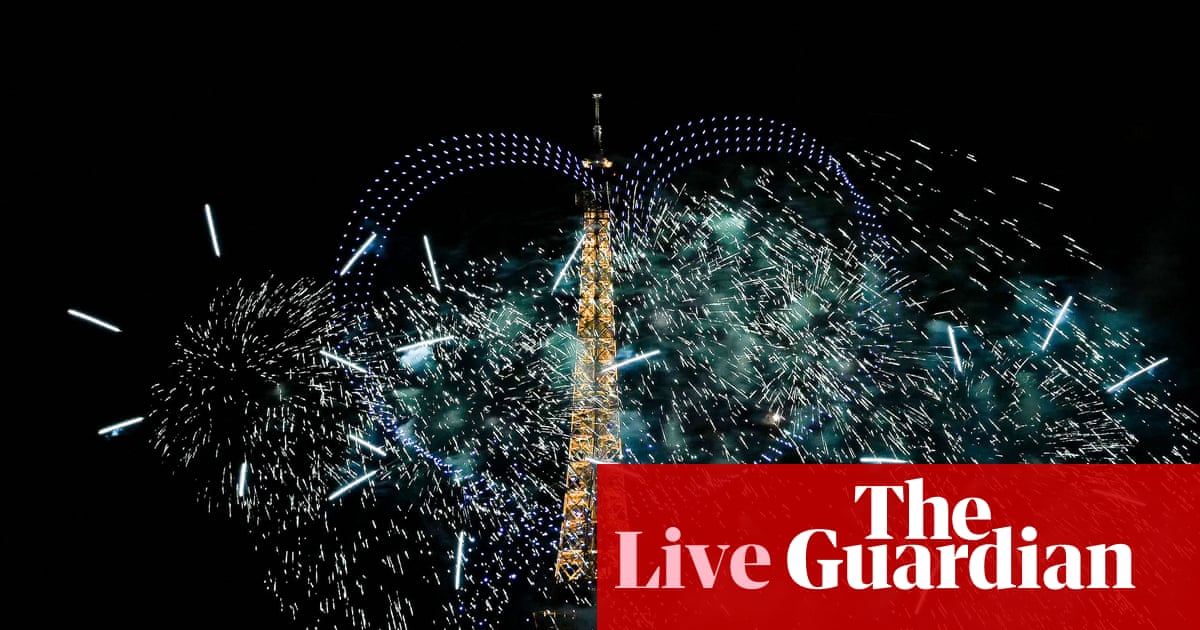
Bastille Day on 14 July is France's national fête marking the 1789 storming of the Bastille prison and the start of the French Revolution. In 2026, President Emmanuel Macron used the televised Champs-Élysées military parade—his last as president—to send a strategic signal about Europe's renewed military focus and solidarity with Ukraine.
If you are asking what Bastille Day means beyond fireworks and a public holiday, Tuesday's ceremony offered a clear answer on live TV. More than 6,500 soldiers and over 300 vehicles marched along the Champs-Élysées while European leaders watched from the tribune, turning the annual celebration into a broadcast statement about rearmament and alliance.
Key Takeaways
- Bastille Day commemorates the 14 July 1789 storming of the Bastille, France's fête nationale.
- About 500 Coalition of the Willing troops opened the 2026 parade; Ukrainian soldiers marched at the end to warm applause.
- Macron's final Bastille Day parade highlighted European leaders including Volodymyr Zelenskyy, Friedrich Merz and Keir Starmer.
- France 24 and The Guardian carried live coverage of the parade.
- The Economist framed the day around flypasts and football as well as the military display.
What is Bastille Day and why does it matter in 2026?
As The Economist noted, festivities began with the traditional flypast and military parade along the Champs-Élysées. Macron is keen to remind the French that he has increased military spending and modernised the armed forces despite budget constraints, with Ukraine as guest of honour.
The parade followed a Monday summit of the Coalition of the Willing in Paris, where many leaders stayed overnight to attend. For viewers tracking Streaming & TV Alerts, the morning ceremony was the day's first major live event before evening sport took centre stage.
Who marched in the 2026 Bastille Day parade?
According to The Guardian's live updates, about 500 troops from Coalition of the Willing member states opened the procession, carrying flags from nations including Albania, Australia, Austria, Belgium, Britain, Bulgaria, Canada, Croatia, Denmark, Estonia, Finland, Germany, Greece, Italy, Moldova, the Netherlands, Portugal, Spain, Sweden and others. Ukrainian troops marched at the end, saluting leaders from the tribune.
Firefighters also took part, underscoring the wildfires France has battled in recent weeks, including a blaze near Fontainebleau that burned roughly 800 hectares. A NATO battalion stationed in Estonia, including France's 3rd Marine Artillery Regiment, was also visible among the formations.
How can you watch the Bastille Day parade live?
France 24 promoted live coverage under the headline that the parade would showcase European support for Ukraine, while The Guardian ran a rolling live blog with photos and real-time updates from Paris. In France, the morning parade is traditionally televised nationally, making it one of the year's biggest state broadcast events.
Viewers also saw the Patrouille de France paint the tricolour over the avenue, flanked by Mirage 2000 jets with Ukrainian co-pilots, followed by allied aircraft including a large AWACS radar plane. Guardian reporters noted Macron climbing the honorary tribune alongside Zelenskyy, Merz, Starmer, Denmark's Mette Frederiksen, Poland's Donald Tusk and other European leaders—a guest list sharply different from his first parade in 2017, when Donald Trump was guest of honour.
Why does France call this parade a strategic signal?
The Élysée Palace told reporters the parade should be seen as "a powerful symbol of Europe that is becoming aware of how dangerous the world is and that it must take its destiny into its own hands." On the eve of the event, Macron told service members France had fulfilled its "commitment to rearm" since 2017.
Not every ally was fully aligned. Bulgaria's prime minister Rumen Radev used Monday's coalition meeting to announce his country would leave the group, telling reporters he favoured diplomacy over prolonged military aid—though he still attended Tuesday's celebrations. Even so, the televised parade delivered the signal Paris wanted: European unity, rearmament, and Ukraine at the centre of the frame.