Wales declares drought after wildfires and record dry spell
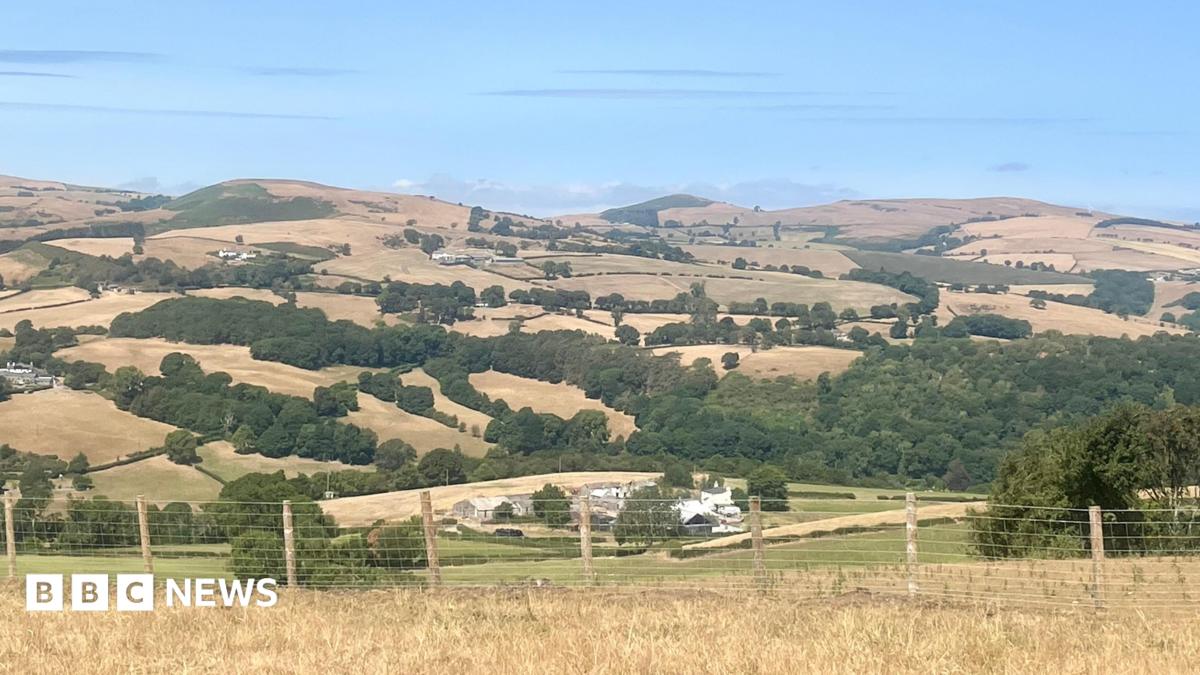
Parts of Wales are now in official drought status after wildfires, heatwaves and record-dry July weather drove rivers and soils to crisis levels. Natural Resources Wales says north and mid Wales face the UK’s first drought declaration this summer, with farming and wildlife already under severe strain.
Key Takeaways
- Natural Resources Wales (NRW) has declared drought across north Wales and parts of mid Wales, including North and South Gwynedd, Ynys Môn (Anglesey), Dee, Clwyd and Upper Severn.
- Wales is the first part of the UK to receive a drought announcement so far this summer, after successive heatwaves and extremely low July rainfall.
- Rivers such as the Clwyd, Conwy, Dyfi and Wye are exceptionally low; wildlife, fisheries and farms are already reporting damage.
- Drought status is an environmental classification and does not automatically mean public water shortages, though Welsh Water already has a local hosepipe ban in west Wales.
- Officials urge careful water use while rain in the forecast is unlikely to refill stressed river systems quickly.
Where has drought been declared in Wales?
According to BBC News, NRW confirmed drought status for North and South Gwynedd, Ynys Môn (Anglesey), Dee, Clwyd and Upper Severn. That makes Wales the first UK nation or region to face a formal drought announcement this summer.
The Independent reports the same footprint and adds that all remaining catchments across south-west Wales have moved from “normal” to “prolonged dry weather” status. South-east Wales had already shifted to that intermediate stage last week. As a result, every part of Wales is now either in drought or prolonged dry weather.
NRW uses drought when a mix of indicators points to a serious shortage of rainfall and water availability. Those indicators cover rivers, groundwater, agriculture, natural systems and land management—not only reservoir stocks held by water companies.
Why did Natural Resources Wales declare drought now?
The trigger is a stack of extremes, not a single dry day. Wales has seen about 5% of average July rainfall after back-to-back heatwaves and a drier-than-usual April to June, the BBC reports. In North Wales and the Upper Severn, The Independent says rainfall so far this month is under 2% of what would normally be expected.
In many areas of North Wales there has been no significant rain since 6 July. River levels are approaching all-time lows, groundwater is still falling, soils are dry, and wildfires have burned across north and south-east Wales—described by NRW as one of the clearest signs of how parched the landscape has become.
July is on course to become the driest in Wales for almost 190 years if substantial rain does not arrive before month’s end. Rivers classed as exceptionally low include the Clwyd, Alwen, Alyn, Clywedog, Dyfi and Conwy in the north, plus the Wye through mid Wales and along the England border.
Extra water is already being released from reservoirs to support flows on the Clwyd and Wye, as well as the River Severn in the south-east and the Dee in north-east Wales. Rhian Thomas, NRW’s sustainable water and nature manager, said the prolonged hot, dry spell is having “serious impacts on the environment across parts of Wales.”
Does drought status mean hosepipe bans or water shortages?
Not automatically. NRW stresses that environmental drought reflects pressure on rivers, groundwater and habitats. It does not by itself mean customers face shortages. Cabinet Minister for Rural Resilience and Sustainability Llyr Gruffydd said the classification is about river water levels and that public supplies remain sufficient, while still urging careful use.
Welsh Water draws a clear line between the two systems. Its Temporary Use Ban for about 33,000 properties in west Wales is an operational measure based on local demand and how fast treatment works can replenish service reservoirs. Different parts of Wales can face different network pressures even when they sit outside the same environmental drought zone.
Elsewhere in the UK, The Independent notes many parts of England are in prolonged dry weather after receiving just 3% of average July rainfall, with hosepipe bans covering 23 million customers. Scotland has seen a major Cairngorms wildfire, and the Republic of Ireland has a nationwide hosepipe ban amid the same dry pattern.
How are farmers, wildlife and rural livelihoods affected?
Low river flows are already killing fish and stressing other wildlife, according to Afonydd Cymru, which represents Wales’ rivers trusts. Chief executive Gail Davies-Walsh said some rivers have dried up and water quality is worsening as flows fall. High temperatures add more risk: water as warm as 28C has been recorded in the Wye and Usk.
Farming unions warn of failing crops and heat-stressed livestock. NFU Cymru president Abi Reader said livestock farmers face pressure to keep animals watered and shaded as springs and streams dry, while arable growers are seeing unprecedented early harvests and expect lower yields. Those yield hits matter for rural cashflow—readers tracking income resilience tips can also browse BlasterPost wealth hacks and passive income for broader money-buffer ideas when weather shocks squeeze earnings.
On the ground, Abergele farmer Tudur Roberts said his well has dried up and he has been carrying water from town for 27 pedigree Angus cows and 200 sheep. Flintshire farmer Elen Hughes said fields are “bone dry” and cattle are already being fed the second silage cut because there is no grass. Growers at the Royal Welsh Agricultural Show likewise spoke of adapting water habits after a wet spring flipped abruptly to drought.
Despite some rain in the weekend forecast, recovery will take time. NRW is asking everyone to use water wisely to protect Wales’ natural resources during what it calls an exceptionally dry period—the core message behind this drought declaration, and why the story matters beyond the map of affected catchments.