Venezuela quake rescuer: the smell of death wont leave her
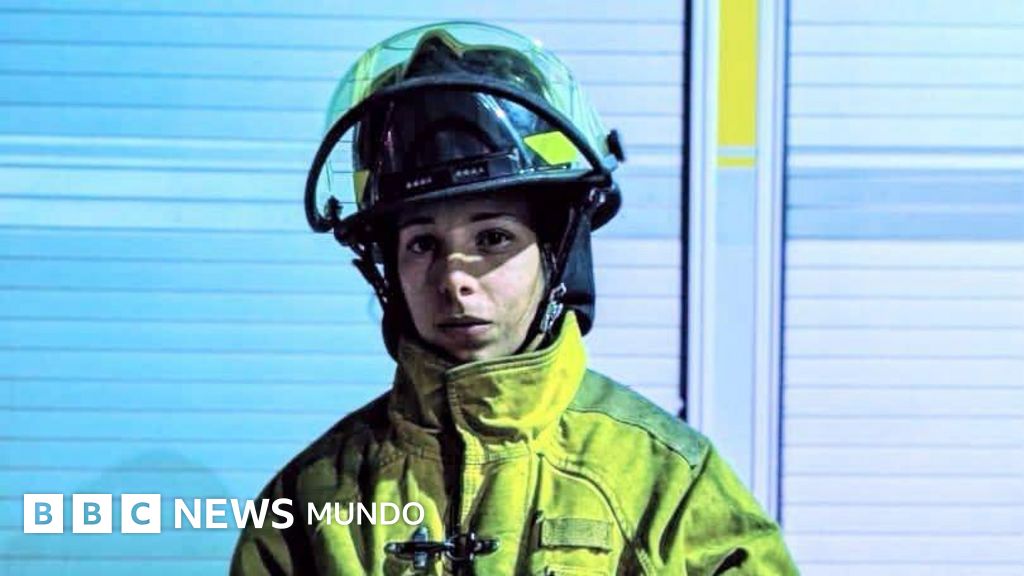
After the earthquakes in venezuela, volunteer rescuer Daniela Villarroel says the rubble’s “olor a muerte” will not leave her. She worked 18 continuous days in La Guaira, then found that the memories returned through every sense—stealing sleep, appetite, and peace at home.
BBC News Mundo recounts how, after a double earthquake struck northern Venezuela, Daniela—part of the Cuerpo de Bomberos Voluntarios of the Universidad Central de Venezuela (UCV)—went to the worst-hit areas in La Guaira and spent 18 straight days in rescue and recovery. The physical work was only one part of what she carried back.
What happened during the 18 days of rescue in La Guaira?
Daniela suspended her work as a nutritionist for about three weeks to help with survivors and body recovery. BBC reports that she and her fellow volunteer firefighters left the central station at 8:00 a.m., traveled roughly 40 kilometers to the disaster zones in the back of a truck without a roof, and entered collapsed structures to free people and retrieve remains.
By midnight they returned to Caracas, cleaned their tools, and only reached home after 2:00 a.m. BBC also notes that, as volunteers, they did not draw a salary, and they depended on equipment purchased with their own resources.
Why does the ‘smell of death’ still linger?
In her account, the most persistent imprint is not just what she saw, but what she smelled. After removing her boots and uniform in the garden, cleaning the face, and trying to wash away debris, she described a scent she could not compare to anything else—and said she feels she will “never” be able to get rid of it.
BBC reports that in the second week of rescue, sleep became impossible: she heard voices calling for help under the ruins and the sound of equipment cutting through debris. She also lost appetite and later struggled to process the experience in the quiet of her room.
She did not cry until weeks later, during a therapy session, where she was helped to understand that the memories felt so vivid because all her senses had been involved. Alongside the sensory “odor,” she says the feeling that she “could have done more” followed her.
How do psychological support and calm matter in rescues?
BBC highlights how Daniela treated psychological steadiness as part of the rescue itself. When survivors were trapped, she said that the person you are helping looks to you for calm—so you must stay composed, because if you break, the survivor may break faster.
In her testimony, she also described the challenge of reaching victims in extremely narrow spaces and returning repeatedly—day after day—to structures where the risk of aftershocks and falling debris was always present.
What does it mean to rebuild when grief follows you home?
The work continued long after the last call. Daniela’s routine after rescue involved bathing, washing clothes repeatedly, and—BBC reports—throwing away some items because the smell clung to uniforms, gloves, and even towels. Even as she tried to rest, her dogs stayed close to her feet.
UNICEF also shared a story about a mother seeking to recover calm after Venezuela’s earthquakes, underscoring that rebuilding is not only about structures—it is also about the internal aftermath. You can read UNICEF’s account here: UNICEF.
For readers thinking about the future of “dream homes” and the spaces where life returns, this is a reminder that safety and comfort must include mental health support too. Explore more in our Luxury Real Estate & Dream Homes hub.
Key Takeaways
- Disaster response can leave lasting sensory trauma, not just visual memories.
- Calm and psychological support are part of the rescue process, not an add-on.
- Emotional recovery may take weeks, and therapy can help make sense of vivid recollections.
- Long after debris is cleared, families and caregivers may still be rebuilding their calm.
Source: BBC News Mundo.