Major US trial finds vagus nerve implant eases severe depression
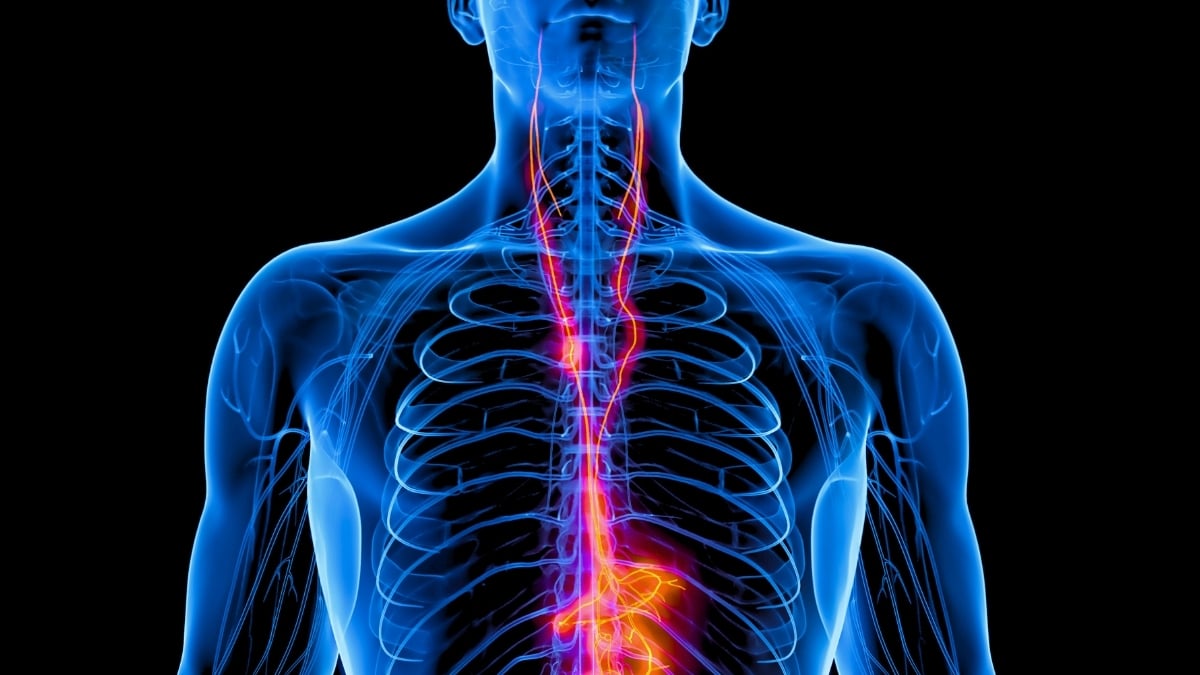
A major U.S. clinical trial found that vagus nerve stimulation (VNS)—a chest implant that sends pulses to the vagus nerve—produced meaningful depression treatment gains for about 69% of patients with severe, treatment-resistant illness after one year, with more than 80% of responders still improving at two years. The RECOVER study, published in the International Journal of Neuropsychopharmacology, offers rare hope for people who have exhausted standard therapies.
Depression affects more than 300 million people worldwide, and up to one-third do not respond to conventional options, according to reporting on the trial. For many, the condition becomes a long-term struggle that disrupts work, relationships, and daily life—an exhausting search for relief that can feel as unresolved as the cases we cover in our True Crime & Unsolved Mysteries section.
Key Takeaways
- About 69% of active VNS patients showed meaningful improvement after 12 months in the RECOVER trial.
- More than 80% of year-one responders maintained or increased benefits at 24 months across symptoms, quality of life, and daily functioning.
- Among patients with a 50% or greater symptom reduction at one year, 92% were still benefiting at two years.
- Roughly one-third of patients with no meaningful benefit at 12 months improved by the 24-month mark.
- Participants averaged 29 years with depression and 13 failed prior treatments before enrolling.
How does vagus nerve stimulation treat severe depression?
VNS uses mild electrical signals to stimulate the vagus nerve, one of the body's longest nerves. It runs from the brain through the neck and chest to the abdomen, linking the brain to organs such as the heart, lungs, and digestive system.
Surgeons implant a pacemaker-sized device under the skin of the upper chest. A thin wire connects it to the left vagus nerve in the neck, delivering brief, low-level pulses at regular intervals. Scientists believe these signals influence brain circuits involved in mood regulation, though exactly how VNS eases depression is not fully understood. The U.S. Food and Drug Administration approved VNS for treatment-resistant depression in 2005.
What did the RECOVER trial find?
The RECOVER trial enrolled 493 adults across the United States, all with severe treatment-resistant depression and at least four failed treatment attempts in their current episode. Researchers at Washington University School of Medicine in St. Louis, led by psychiatry researcher Charles Conway, supervised the multicenter study.
Every participant received an implanted device, but only half were switched on during the first 12 months while the rest served as a control group. The 2026 report focused on 214 patients who received active VNS from the start. About 69%—147 people—showed meaningful improvement on at least one measure after one year.
Among those who responded at 12 months, more than 80% maintained or improved their gains at 24 months. For the strongest responders, defined as a 50% or greater reduction in symptoms, 92% were typically still benefiting two years in. Conway said researchers were "shocked" that one in five patients was effectively without depressive symptoms at the two-year mark.
Why are these results unusual for treatment-resistant depression?
On average, trial participants had lived with depression for 29 years and three-quarters were unable to work. Conway described the group as possibly "the sickest treatment-resistant depressed patient sample ever studied in a clinical trial." Most studies of similarly severe depression show poor long-term sustainability of benefit—not sustained gains at two years.
Another notable finding involved delayed responders. Roughly one-third of patients who showed no meaningful benefit at 12 months went on to improve by 24 months, suggesting VNS may work slowly in some people but still help with continued use. VNS is not a rapid fix, and not everyone responds.
What happens next for patients seeking this depression treatment?
The trial was funded by LivaNova, which manufactures the VNS device, and the data are intended to inform a coverage decision by the U.S. Centers for Medicare and Medicaid Services, which currently does not cover the therapy. For thousands of patients who have spent years battling depression that refuses to respond, the results provide renewed hope that lasting recovery may finally be within reach, as ScienceAlert reported.