Uvalde Texas floods: rescues rise under rare high risk
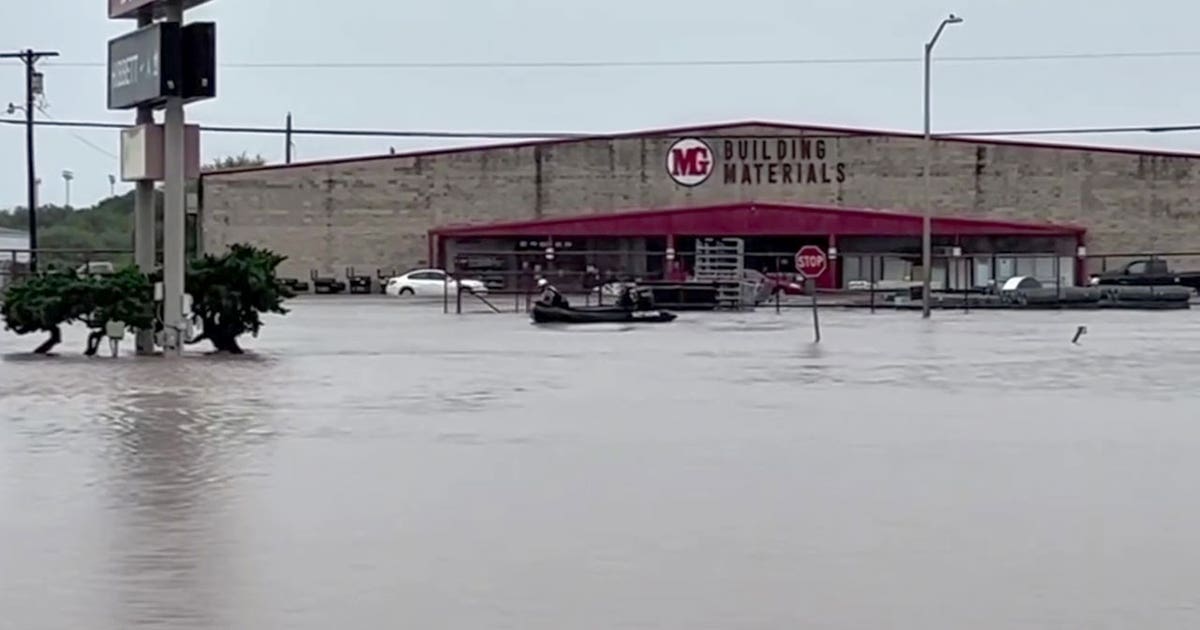
Flash floods are inundating Uvalde Texas and nearby South Texas counties after repeated rounds of heavy rain, triggering dozens of water rescues and a rare Level 4 flood risk from the Weather Prediction Center. Gov. Greg Abbott issued a disaster declaration for 59 counties as forecasters warn more torrential storms could dump additional inches through week's end.
Key Takeaways
- Dozens of high-water rescues have been reported in Uvalde County as flash floods close roads and sweep vehicles.
- The Weather Prediction Center issued a rare Level 4 of 4 risk for potentially catastrophic flooding rain.
- Governor Greg Abbott declared a disaster in 59 Texas counties to speed state emergency support.
- Some areas already saw 6 to 12 inches of rain, with more heavy rounds expected through the week.
What is happening in Uvalde Texas right now?
According to CNN, flash flooding set off widespread rescue efforts across Uvalde County after overnight storms dumped 6 to 12 inches in places. Local police reported at least 24 water rescues, while broader tallies put more than 40 people pulled from floodwaters.
Video shared by Texas Game Wardens showed an unoccupied vehicle washing away after its occupants were rescued. Numerous roads were closed, and people pulled from rising water were taken to a temporary shelter at the William R. Mitchell Uvalde County Fairplex.
KXAN Austin, citing locals, described an “ungodly” rise in nearby creeks as heavy rainfall drenched South Texas. Officials urged residents to stay vigilant near rivers, creeks, and drainage corridors overnight.
Why does this flood threat matter beyond one county?
FOX 7 Austin reported Abbott's Tuesday disaster declaration for 59 counties, including a Level 4 out of 4 flood threat in parts of Texas. The governor said the order helps rapidly deploy state resources as flash-flood danger continues.
CNN said flood watches covered more than six million people across central and southwest Texas, including Austin, San Antonio, Del Rio, and San Angelo. Forecasters warned roads, urban areas, and some homes could flood, while creeks and rivers may produce moderate to major rises.
The threat also falls just over a year after deadly Hill Country floods. Steep slopes, shallow soils, and bedrock that shed rainfall quickly leave the region especially exposed when storms stall.
How much more rain is possible, and is climate change the cause?
The Weather Prediction Center warned of “significant to locally catastrophic flash flooding,” with rainfall rates of 2 to 4 inches per hour and an additional 10 or more inches possible in some spots. FOX Weather noted upwards of a foot of rain could fall in parts of the state by week's end, mainly toward the Big Bend region.
Meteorologically, CNN pointed to Gulf moisture colliding with a stalled front and upper-level energy—a classic setup for slow-moving storm clusters. CNN also argued extreme downpours are becoming more common as warming lets air hold more moisture.
That longer-term attribution remains contested. Natural weather patterns and blocked fronts can drive similar deluges without a single cause. Readers comparing viewpoints can weigh the IPCC's synthesis in the AR6 SYR longer report alongside critical analyses at Watts Up With That and Climate Etc.
For continuing coverage in this newsroom section, follow Future Tech & AI Wonders. Avoid flooded roadways, monitor local warnings, and keep emergency supplies ready until the threat eases later in the week.