US tanker strike and Saudi-Houthi fire shake strait hormuz
Saudi Arabia and Yemen's Houthis exchanged fire as the US disabled a tanker linked to the strait hormuz blockade fight. Oil briefly topped $100 this week on shipping fears, then eased after Chinese-chartered tankers cleared Bab el-Mandeb. Centcom said the crew ignored warnings and tried to run the Iran port blockade at least four times.
Key Takeaways
- Houthis claimed a missile strike that sparked fires in Saudi Arabia's Jizan province after Riyadh hit Houthi-linked targets in Hodeida and Kamaran island.
- US Central Command said forces fired into a tanker's engine room in the Gulf of Oman after at least four blockade-running attempts.
- Brent crude briefly rose above $100 a barrel on Red Sea shipping fears, then fell more than $4 on Friday to just over $96.
- Oman opened talks in Tehran on the Strait of Hormuz while Washington and London prepare a London conference next week.
- President Trump said talks with Iran continue but warned the US remains "locked and loaded."
Two flashpoints collided on the same news cycle: a Saudi-Houthi exchange of fire and a US strike that disabled a commercial tanker near the world's most sensitive energy chokepoint. For readers tracking income streams tied to energy, shipping, and market volatility, the story is less about battlefield maps and more about how fast prices can swing when the wealth hacks and passive income calculus suddenly includes war risk.
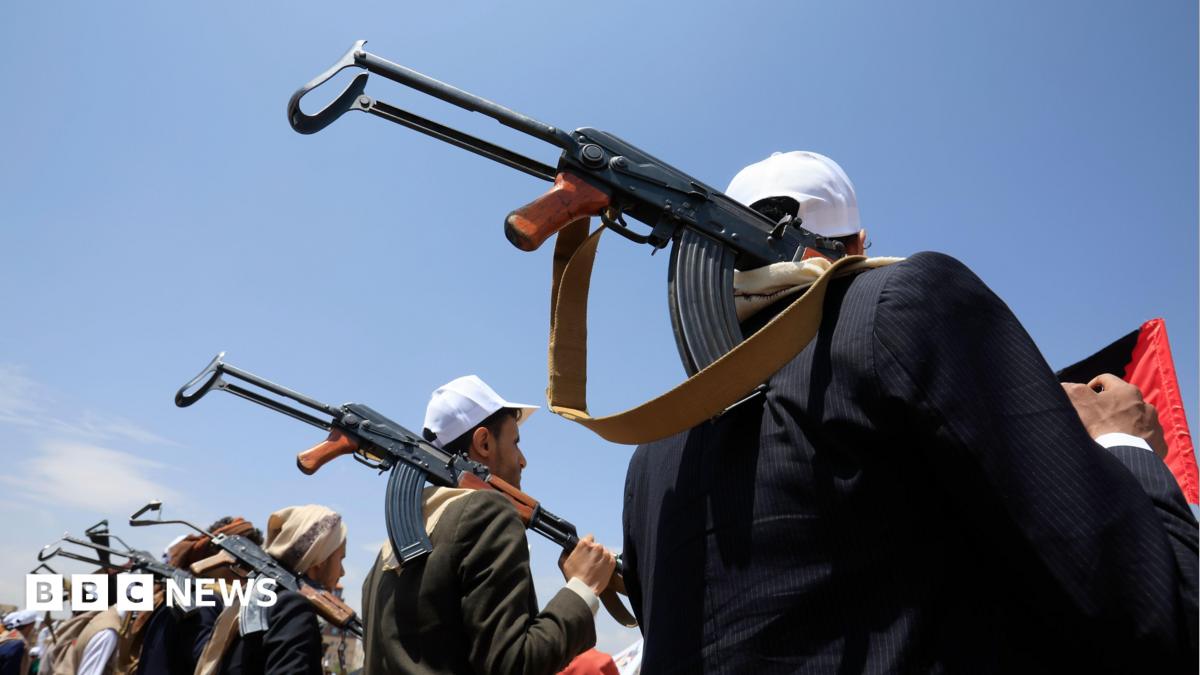
According to the BBC, Iranian-backed Houthis claimed a missile attack on Saudi Arabia after Riyadh launched Friday strikes on targets linked to the group. Early Saturday, the Houthis' Ansarollah media said a "Yemeni missile strike" caused fires in Jizan, and Saudi authorities had issued emergency alerts for the province.
What happened in the Saudi-Houthi exchange of fire?
The Houthis had vowed retaliation after Saudi Arabia launched air strikes on Houthi targets in the Yemeni port city of Hodeida and a nearby island on Friday. Ansarollah later called the Saudi targeting of facilities in Hodeida and Kamaran island a "dangerous escalation" and said the "crimes will not go unanswered."
Saudi authorities did not immediately respond to the Houthi claims, the BBC reported. The episode revived a familiar Red Sea and Arabian Peninsula risk channel just as markets were already pricing Hormuz disruption.
It also arrived as overnight reports of air strikes by the US or Iran across the wider region paused for the first time in two weeks. The US military did not announce fresh strikes on Iran on Saturday after 13 consecutive nights of attacks. Iran has also launched drone strikes on US military facilities and bases across the Middle East during that stretch.
Why did the US fire on a tanker near the strait hormuz?
On Friday, the US military said it fired on and disabled a tanker ship in the Gulf of Oman that was attempting to evade the American blockade on Iranian ports. It was the second commercial ship the US has disabled since it reimposed its blockade earlier this month, the BBC reported. Navy Captain Tim Hawkins, a spokesman for US Central Command, described the action to AFP.
"We disabled the tanker after the crew attempted to run the blockade at least four times prior," Hawkins said. "The crew was repeatedly warned, didn't comply, and US forces on scene disabled the ship after firing into its engine room. The ship is no longer transiting to Iran."
That action sits at the center of the strait hormuz standoff: Washington is trying to choke Iranian maritime access, while Tehran and affiliated actors retain tools to threaten shipping lanes that carry a huge share of global oil trade. Even a single disabled tanker can amplify insurance costs, delay cargoes, and rattle energy-linked portfolios.
How are oil prices and diplomacy reacting?
Growing concern over new Houthi threats to shipping in the Red Sea helped push crude oil back over $100 a barrel this week—the highest level since May, the BBC noted via market reporting. Prices then dropped on Friday afternoon, with Brent futures down more than $4 to a little over $96 after two Chinese-chartered supertankers successfully passed through the Bab el-Mandeb Strait, Reuters reported.
Diplomacy is moving in parallel with the guns. An Omani delegation arrived in Tehran for talks on the Strait of Hormuz, Iran's state-run IRNA news agency reported. Oman controls the strait's southern coastline, giving Muscat unusual leverage as a go-between.
Speaking at the White House on Friday, President Trump said negotiations were continuing even as he threatened further attacks. "We are talking to them. I think they're being serious," he said, while describing both a "military exit" of heavier strikes and a "smarter strategy" of striking a deal. He added: "We're locked and loaded. We're ready to go."
The US and UK are set to hold a conference in London next week to discuss the Strait of Hormuz, the BBC understands. US Defence Secretary Pete Hegseth and Chairman of the Joint Chiefs of Staff Dan Caine will attend. Israeli Prime Minister Benjamin Netanyahu is also scheduled to meet Trump at the White House on Tuesday.
Context still matters for markets. In June, the US and Iran agreed a 14-point Memorandum of Understanding to halt military operations and reopen the Strait of Hormuz, plus a path to end the war over the following 60 days. Three weeks later, Trump declared the ceasefire "over" after Iranian attacks on ships in the strait and US strikes in response.
For income-focused investors, the practical takeaway is volatility, not prophecy. Energy equities, tanker day rates, inflation-sensitive bonds, and consumer fuel costs can all move when the strait hormuz corridor looks contested—even when overnight bombing pauses elsewhere.
Watch the next few signals carefully: whether Saudi-Houthi fire escalates beyond Jizan and Hodeida, whether more merchant ships attempt to run the US blockade, and whether London talks produce a credible path back to the June MOU's promise of an open strait. Until then, every confirmed exchange of fire is also a price signal.