US refunds $81bn in Trump tariffs after Supreme Court ruling
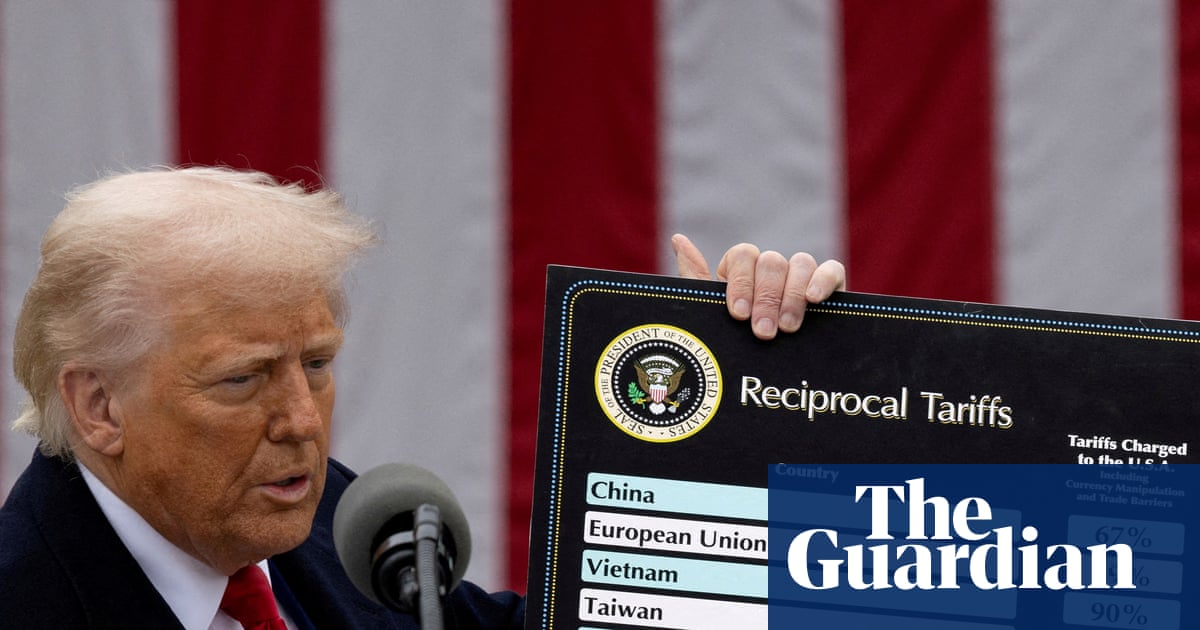
The US government has refunded $81 billion in tariff payments so far this fiscal year after the Supreme Court ruled in February that many of Donald Trump's emergency import duties were illegal. Treasury budget data released Monday shows payouts have surged from $5 billion a year ago as May and June refund waves accelerate. The wave reverses a major revenue stream and sends billions back to importers including PepsiCo and Nike.
Key Takeaways
- The US has paid $81bn in tariff refunds in fiscal 2026, versus $5bn in the same period last year.
- June alone saw about $49bn in refunds after the Supreme Court struck down IEEPA-based tariffs in February.
- Companies are treating the cash as an offset to inflation, not a broad stimulus.
- The federal deficit widened 2% to $1.37tn in the first nine months of the fiscal year.
- Up to $166bn in tariffs plus interest may still be eligible for repayment.
Why did the US start refunding Trump tariffs?
Tariffs—taxes on imported goods—have been central to President Donald Trump's economic strategy since he returned to office. In February, the Supreme Court shut down a large share of the extra duties he imposed under the 1977 International Emergency Economic Powers Act (IEEPA), forcing the government to return money to companies that paid them.
A Treasury Department official told reporters the refund spike is almost entirely tied to that ruling, with most payments landing in May and June. A government-run tariff refund portal opened in late April, and officials have been expanding eligible refund scenarios through the summer.
How fast are tariff refunds moving?
The pace accelerated sharply in June. The US sent out $49.1 billion in tariff refunds that month, handily exceeding the $23.6 billion in tariff revenue collected over the same period, according to Treasury monthly data cited by The Guardian.
May's refunds and collections were nearly balanced at about $22 billion each—a $42 million net negative that analysts called a rounding error. June's gap was roughly $25.5 billion. Customs officials are processing more than $104 billion in potential refunds, with about $71 billion including interest already certified for payment, Axios reported.
What does the tariff refund wave mean for businesses?
Corporate America is receiving what some economists describe as an accidental stimulus—a reversal of the tariff shock that squeezed profits and raised prices. PepsiCo CFO Steve Schmitt told investors the company expects refund claims for tariffs paid last year to add about one percentage point to full-year earnings-per-share growth and help offset commodity inflation.
Nike said it expects to recover nearly $1 billion in tariffs. Axios noted that many firms plan to absorb higher costs tied to the Iran war and future tariffs rather than launch major new hiring sprees. Atlanta Federal Reserve researchers cautioned the headline refund total overstates the likely economic impact, especially for companies that may pass gains to shareholders.
How is this reshaping US fiscal policy?
Trump had pitched tariffs as a tool to reshore factories, secure trade leverage and shrink the federal deficit. Revenue from the duties had briefly helped narrow the shortfall, but refunds are now widening it again. The deficit reached $1.367 trillion in the first nine months of fiscal 2026, up 2%, while interest on national debt topped $1 trillion and military spending rose 5% amid the war in the Middle East.
The administration's temporary 10% global tariff is due to expire on 24 July, though the White House is preparing new duties. For readers tracking how policy shocks ripple through markets and supply chains, see more coverage in our Future Tech & AI Wonders section. Bank of America analysts expect most refunds to be completed by summer's end, even as Washington builds what Evercore ISI called a new tariff wall.