US launches strikes on Iran after tankers hit in Hormuz
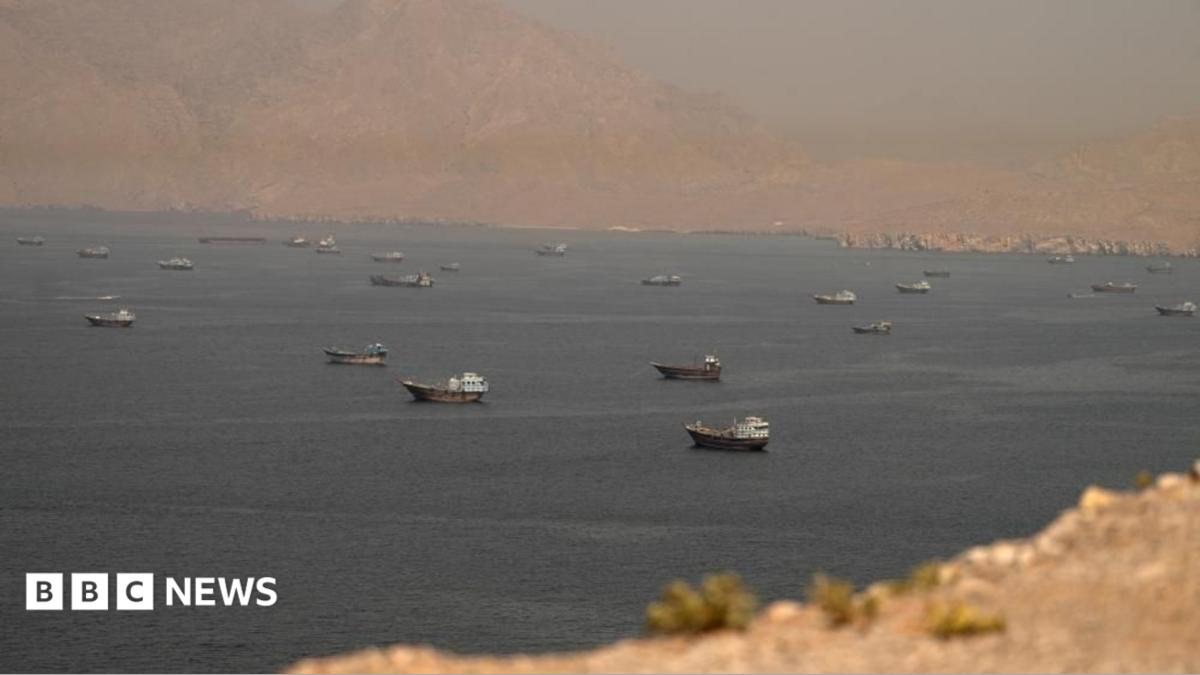
The United States launched powerful military strikes on Iran after three commercial tankers were hit in the Strait of Hormuz, marking one of the gravest tests yet of a fragile ceasefire between Washington and Tehran. US Central Command said the operation was an immediate response to attacks on commercial vessels transiting the vital waterway. CENTCOM added that fresh strikes on Iran hit more than 80 targets, including over 60 Islamic Revolutionary Guard Corps small boats.
Key Takeaways
- CENTCOM said strikes on Iran hit air defences, radar sites, anti-ship missile capabilities, and more than 60 IRGC small boats after three tankers were struck in the Strait of Hormuz.
- Iranian state media reported explosions in Sirik, Qeshm Island, and Bandar Abbas, with several people injured by shrapnel at a commercial pier in Sirik.
- Washington revoked an oil export licence granted under a recent interim deal, giving Iran until 17 July to wind down transactions.
- Tehran vowed a crushing response; the IRGC claimed it struck 85 US military facilities in Bahrain and Kuwait, triggering air raid sirens.
- Maritime authorities raised the Hormuz threat level from substantial to severe — the most tanker attacks in one day since late April, per UN figures cited by outlets.
The exchange marks a sharp return to hostilities around a waterway central to global energy trade. For more on how technology is reshaping conflict and security, see our Future Tech & AI Wonders coverage.
What triggered the US strikes on Iran?
According to the BBC, the British military's UK Maritime Trade Operations centre reported that three tankers were struck by projectiles in the strait. One vessel caught fire off Oman after an unknown projectile hit its engine room on Monday.
On Tuesday, two further incidents were reported: one tanker was hit as it exited the strait but continued to its next port, while another sustained minor structural damage. CENTCOM identified the vessels as the Marshall Islands-flagged M/T Al Rekayyat, Saudi-flagged M/T Wedyan, and Liberian-flagged M/T Cyprus Prosperity.
Qatar blamed Iran for the attack on the Qatari liquefied natural gas carrier Al Rekayyat, and Saudi Arabia said a tanker from its country was also hit. Iran has not directly claimed responsibility, though state television said one vessel was attacked after ignoring warnings.
What did US forces target inside Iran?
In a statement on X, CENTCOM said it completed a new round of offensive strikes on 7 July, hitting over 80 targets with precision munitions. Beyond the IRGC small boats, the command said it struck Iranian air defence systems, command and control networks, coastal radar sites, and anti-ship missile capabilities.
Al Jazeera reported that Iranian state media said strikes landed on Qeshm Island, Bandar Abbas, and Sirik. Officials said 10 locations were hit in Bandar Abbas, at least seven on Qeshm, and six in Sirik, where shrapnel wounded several people at a commercial pier.
CENTCOM framed the operation as an effort to impose heavy costs for targeting commercial shipping in an international waterway. It called Iran's aggression unwarranted, dangerous, and a clear violation of the ceasefire.
How is Iran responding — and what happens next?
Iran's military command denounced the strikes as aggression and threatened a crushing response. The IRGC said it launched missiles and drones at 85 key US military facilities across the region, including the US Fifth Fleet headquarters in Bahrain and Ali Al Salem air base in Kuwait. Air raid sirens sounded in Bahrain, and Kuwait said it was confronting hostile drone and missile attacks.
Hours before the strikes, Washington revoked a Treasury general licence that had allowed Iran to sell crude oil and petrochemical products through 21 August under an interim agreement. Iran was given until 17 July to wind down transactions — a move ITV News noted came alongside the military response.
All three attacked tankers appeared to be using a route close to Oman's shore rather than one ordered by Tehran, according to location data cited by multiple outlets. With maritime authorities rating the threat as severe, the latest strikes iran episode leaves negotiations over permanent Hormuz access facing their gravest pressure since the war began in February.