UNH stock fell 4.78% on Nov 17: what investors should know
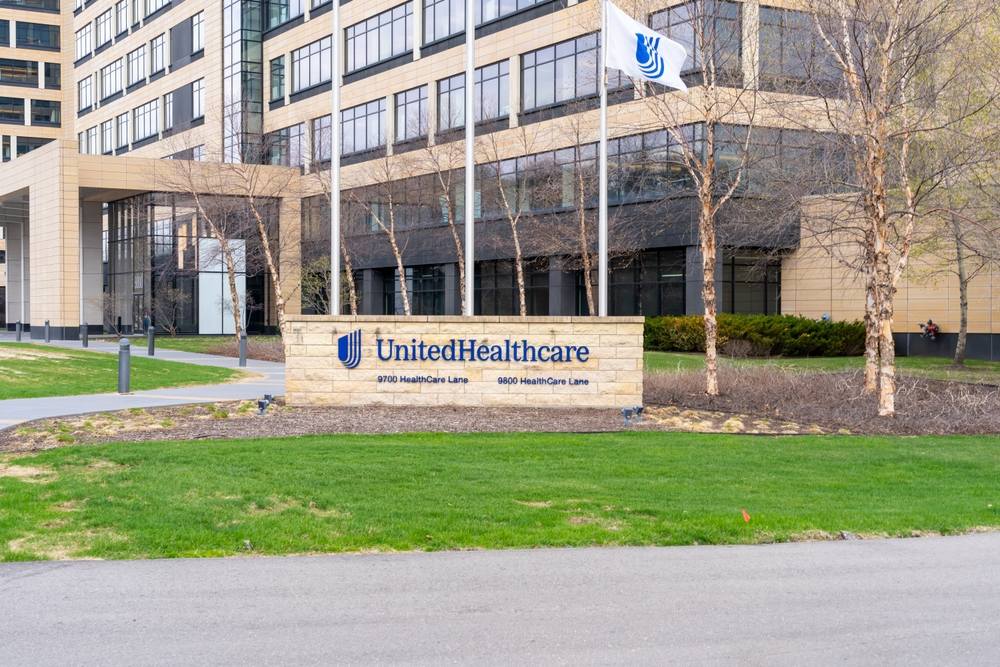
UNH stock opened down about 4.78% on November 17, 2026, as medical cost worries, Medicare Advantage scrutiny, and new federal healthcare fraud rules rattled managed care names. Shares hit a session low near $389.50 after a prior close of $412.02, with peers Humana and CVS also falling.
UnitedHealth Group (NYSE: UNH) underperformed the Healthcare Services & Equipment sector, which slipped about 0.94% on the session. Premarket trading already showed the shares down roughly 2.8%, pointing to insurer-specific pressure before the bell. For more ideas on defensive equities and income strategies, browse our Wealth Hacks & Passive Income hub.
Key Takeaways
- UNH opened down 4.78% on Nov. 17, touching a morning low near $389.50 after closing at $412.02 the prior session.
- Elevated medical utilization, medical loss ratio worries, and Medicare Advantage reimbursement scrutiny drove the selloff.
- New federal CRUSH healthcare fraud rules added premarket pressure across managed care names, including Humana and CVS.
- UnitedHealth still guides to at least $20.50 in adjusted earnings per share for 2026 and offers a roughly 2.34% dividend yield.
- Street sentiment remains constructive on balance, with an average analyst price target near $469.77, though Wells Fargo trimmed its target to $487 in late October.
Why is UNH stock falling today?
According to market reports on November 17, UNH stock was among the session's clearest healthcare laggards. TradingKey noted a 4.78% open decline, while Investing.com described a roughly 4.7% drop in morning trade that briefly pushed shares to about $389.50. That move left UnitedHealth well below the prior close of $412.02 and worse than the broader sector's nearly 1% retreat.
The main fundamental worry is elevated medical cost trends. Investors remain highly sensitive to signs that medical loss ratios are running above prior baselines, especially as outpatient procedures, specialty care, and inpatient admissions stay high among government-sponsored members. When those ratios move higher, near-term underwriting profits can shrink quickly, and portfolios tied to commercial and Medicare Advantage business often reprice in response.
Sector peers reinforced the narrative. Humana fell about 5.48% and CVS about 3.48% by turnover rankings cited in the TradingKey report, underscoring that the pressure was not isolated to a single ticker. A cautious broader tape also helped: the S&P 500 opened down about 0.2%, the Dow about 0.4%, and the Nasdaq about 0.2% ahead of Nvidia earnings and fresh U.S. AI chip export restrictions, a risk-off backdrop that amplified selling in large managed care names.
Wall Street positioning remains a factor as well. A Wells Fargo price target cut from $526 to $487 in late October continues to color expectations around margin recovery and membership durability. As analysts rethink near-term earnings and terminal multiples, technical selling can deepen intraday swings even after the initial news catalyst fades.
What do the new CRUSH healthcare rules mean for UNH?
GuruFocus reported that managed care stocks, including UnitedHealth, slipped in premarket trading after the Trump administration announced Comprehensive Regulations to Uncover Suspicious Healthcare, or CRUSH. The package aims to tighten fraud detection and reporting for Medicare Advantage and Medicaid, with projected taxpayer savings of nearly $90 billion over the next decade.
For insurers with heavy exposure to federal programs, stronger oversight can mean higher compliance costs and closer review of claims and documentation. That is especially relevant for UnitedHealth, whose model spans UnitedHealthcare benefit plans and Optum's care delivery, analytics, and pharmacy services. Analysts already flag Medicare Advantage risk-adjustment practices, reimbursement schedules, and pharmacy benefit manager operations as profit centers under heightened scrutiny.
TradingKey also highlighted vertical integration risk between UnitedHealthcare and Optum, including political pressure around antitrust and intercompany synergies. Ongoing federal attention to Optum Rx PBM practices and Medicare Advantage documentation adds legal and regulatory overhang. Until investors can size the operating impact of CRUSH and related enforcement, UNH stock is likely to trade with a higher policy risk premium than in quieter years.
None of the cited reports claim the new rules alone caused the full day's decline. Instead, they frame CRUSH as one more catalyst layered on top of medical cost anxiety, reimbursement uncertainty, and a soft equity open. That combination helps explain why the stock moved harder than the sector average.
Should long-term investors still hold UNH stock?
Today's drop looks painful in percentage terms, but the company's scale and income profile have not vanished with one session. UnitedHealth reported about $447.93 billion in annual revenue and $12.06 billion in net profit, ranking first in its industry on both measures in the TradingKey data. Investing.com also noted that the shares remain well above the 52-week low of $255.97 and that management's latest guidance raised the adjusted earnings floor to at least $20.50 per share for 2026.
Income-focused readers may still care about the dividend setup. GuruFocus put the yield near 2.34%, with a payout ratio of about 52% and a three-year dividend growth rate of roughly 10.9%. The same report said the stock traded around $393.77, about 8.4% below a GF Value estimate of $429.73, while carrying a GF Score of 85 out of 100. Those figures do not erase regulatory risk, but they help explain why some dividend investors still see a margin of safety after the selloff.
Analyst coverage remains broadly constructive even after tempered targets. Over the past month, multiple analysts rated the company Buy, with an average price target of about $469.77, a high of $531, and a low of $313. Institutional interest is mixed rather than abandoned: GuruFocus counted 35 premium gurus holding UNH, with 13 adding and 18 trimming, plus limited insider selling of about $0.9 million and no insider purchases over the past year.
Technically, TradingKey flagged a MACD reading of -2.754 and RSI near 43.8 as neutral, while Williams %R near 88.4 pointed to oversold conditions. Media coverage scored a moderate 48 with overall market sentiment described as neutral. In short, the tape is soft, but not universally bearish on the franchise.
Investors who want the play-by-play on the morning move can read the Investing.com report on why UnitedHealth stock is sliding. The practical takeaway is straightforward: today's UNH stock decline reflects real cost and policy headwinds, yet the firm's size, earnings floor, and dividend profile still matter for patient holders who can tolerate volatility tied to Medicare Advantage and federal oversight.
Company-specific risks still deserve a clear place on any watchlist. Those include antitrust and breakup rhetoric around vertical integration, federal probes into PBM and billing practices, medical loss ratio pressure if reimbursement updates lag utilization, and membership churn if commercial or ACA premium hikes push employers and members to rivals. Until medical loss ratios stabilize and regulatory noise cools, UNH stock may stay prone to sharp, news-driven swings even when long-term fundamentals remain intact.