UK wildfires burn on as north Wales incident is stood down
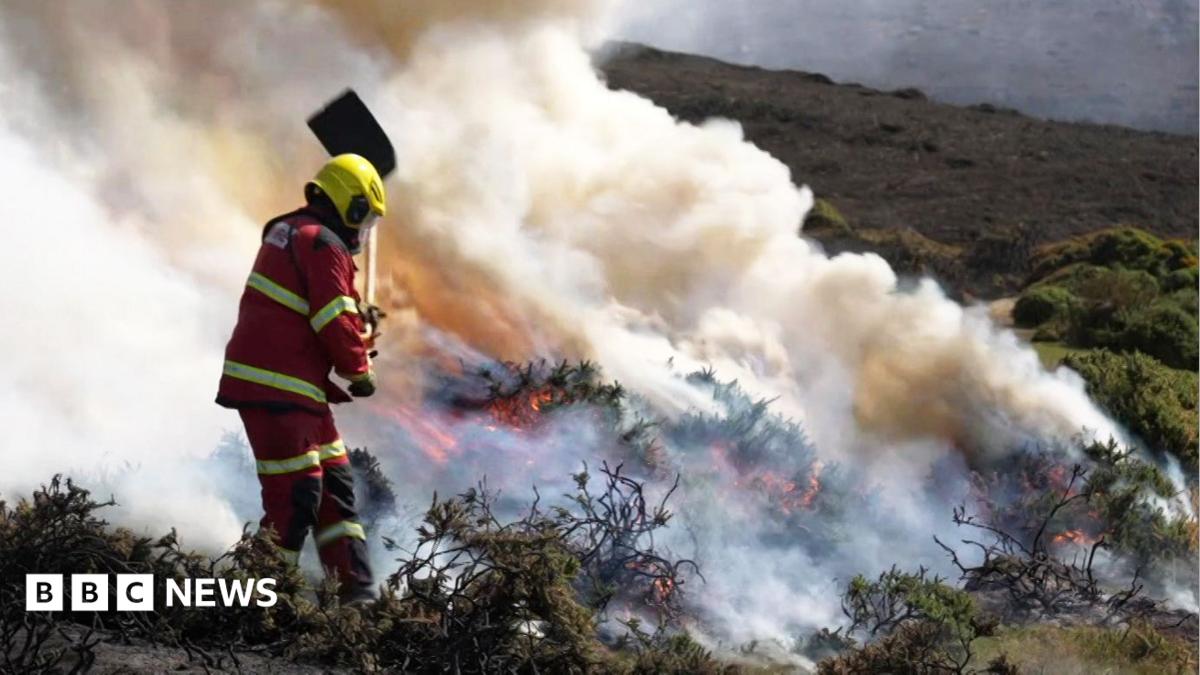
Wildfires are still burning across England and Wales as UK fire chiefs warn emergency crews face extreme pressure during the country's third heatwave of 2026. In north Wales, a major incident at Conwy Mountain was brought under control on Tuesday, but about 19 active blazes nationwide and dry, windy weather keep wildfire risk very high with little rain forecast. The prolonged heat has dried vegetation, strained fire services from Glossop to Greater Manchester, and left many households weighing safety, property risk, and rising summer costs.
Phil Garrigan, chair of the National Fire Chiefs Council (NFCC), told BBC Breakfast that dry weather is increasing the risk of uncontrollable fires. He said there is no real respite and no rain in the forecast, which becomes problematic for crews already stretched thin.
Key Takeaways
- About 19 wildfires remained active across the UK as of Tuesday, with major incidents declared in Conwy, north Wales, and Glossop, Derbyshire.
- Experts describe the situation as a firewave: multiple widespread blazes driven by prolonged heat, dry vegetation, and strengthening winds.
- North Wales Fire and Rescue Service stood down the Conwy major incident, but crews were still tackling fires near Bethesda and the Rhinogydd mountains.
- Natural England warns of very high or exceptional wildfire risk across much of England and Wales over the coming days.
- Sky News forecasts firewave conditions may persist for at least another week before risks begin to ease.
What is happening with wildfires in north Wales and across the UK?
Wildfires continue to burn in parts of the UK as firefighters face what Garrigan described as extreme pressure. Around 19 fires remained active across the country, according to the NFCC chair.
Major incidents were declared in Conwy, north Wales, and in Glossop, Derbyshire, on Sunday. Firefighters were still tackling flames on Tuesday. Wildfires over the weekend also affected Hampshire, Durham, West Sussex, East Sussex, Devon, and Somerset.
In north Wales, the major incident declared over the Conwy wildfire has been brought under control, according to North Wales Fire and Rescue Service assistant chief fire officer Justin Evans. However, firefighters were still tackling several blazes, including in Braichmelyn near Bethesda and the Rhinogydd mountain range.
Elsewhere, firefighters remain at the scene of two major moorland fires in the Peak District: one on Tintwistle Moor and another near Dove Stone Reservoir on adjacent Saddleworth Moor. Around 30 to 40 firefighters are continuing to tackle blazes at multiple locations, Greater Manchester Fire and Rescue Service senior fire chief Ben Levy said.
Levy warned crews faced a very challenging and gruelling day ahead as high temperatures, strong winds, and dry conditions continued to fuel the fires. He urged people to take extra care in the countryside to reduce the risk of further wildfires.
What is a firewave and why is the UK facing one now?
Experts have used the unofficial term firewave to describe a stretch where multiple widespread wildfires occur at the same time. The pattern is linked to prolonged heat and parched vegetation that turns landscapes into fuel.
Sky News weather producer Joanna Robinson noted that the prolonged hot spell this summer has dried out vegetation, while strengthening winds and low humidity are further increasing fire risk across England and Wales. With conditions staying hot and dry for almost an entire month, much of both nations is at risk.
The UK is in its third heatwave of the year. For the first time, temperatures above 34C (93.2F) have been recorded in May, June, and July. The Financial Times reported an unprecedented UK stretch above 30C that has stoked the firewave and strained emergency services.
Natural England is warning of a very high or exceptional risk of fires across much of England, as well as Wales, over the next few days. Dry weather alone does not cause wildfires; there must also be a source of ignition, such as a spark from a barbecue or a discarded cigarette. Dry conditions remove moisture from vegetation, making it more able to burn and spread.
Garrigan told BBC Breakfast that the dry spell increases the risk of uncontrollable fires. The conditions the UK is experiencing so far this summer mirror warnings from climate scientists that human-induced climate change would lead to more frequent and intense heatwaves, as well as potential summer droughts.
When will wildfire and heatwave risks start to ease?
There is no quick end in sight. Garrigan said there does not seem to be any rain forecast, and that becomes problematic for fire crews managing active incidents.
Robinson said parts of England and Wales are expected to remain in heatwave conditions until at least the weekend. High pressure sitting north of the UK is bringing dry conditions, with only a small chance of showers or thunderstorms in the southwest on Wednesday and Thursday.
Temperatures will remain well above average in the south over the next few days, with heat also returning to parts of the north. By the weekend, temperatures may dip slightly but will still be above average, reaching the mid to high twenties in many areas.
Firewave conditions are not expected to end for at least another week, according to Sky News. Until then, emergency services remain on high alert as winds and dry fuel keep spread risk elevated.
Why does the UK wildfire crisis matter for households and budgets?
Wildfires are not only an emergency response story. They carry direct financial consequences for homeowners, rural businesses, and anyone managing property or land in high-risk areas such as north Wales.
When major incidents force evacuations or close access routes, families can face temporary housing costs, travel expenses, and lost work time. Even when buildings survive, damaged moorland and farmland can hit local tourism, agriculture, and property values in surrounding communities.
Prolonged heat and drought conditions also raise utility and water costs for households and small businesses during peak summer weeks. Climate scientists have long warned that human-induced climate change would bring more frequent and intense heatwaves, making resilience planning a practical financial concern rather than a distant debate.
If you are building a household budget or passive income strategy around seasonal property, agriculture, or tourism, understanding wildfire and drought risk is now part of protecting your bottom line. For more practical guides on protecting income during extreme weather, see our Wealth Hacks and Passive Income section.
Authorities urge the public to reduce ignition risks in dry countryside areas and report fires early. For official updates on active incidents and safety guidance, refer to reporting from the BBC and Sky News.