UK wildfires surge in heatwave: what fire pit owners need to know
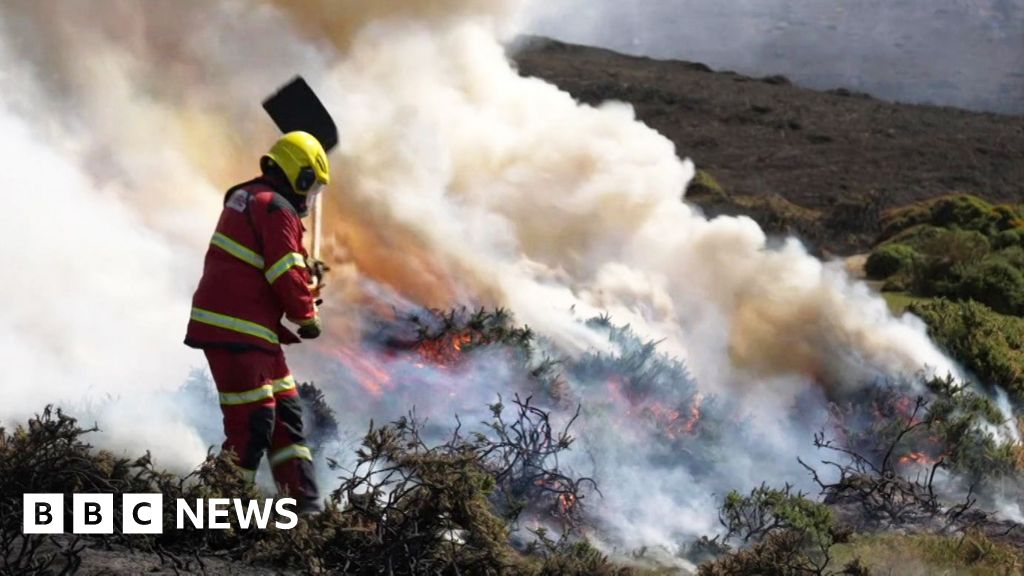
Wildfires are burning across the UK as fire chiefs warn of extreme pressure from a prolonged heatwave, with around 19 active blazes and major incidents in North Wales and Derbyshire. For anyone with a backyard fire pit, dry vegetation and stray sparks can fuel uncontrollable fires when no significant rain is forecast for at least a week.
Fire services are stretched thin at the height of summer. Understanding where fires are burning, why experts are calling this a firewave, and how to use a fire pit responsibly could protect your home, your neighbours and any rental or passive-income property you manage.
Key Takeaways
- Around 19 wildfires remained active across England and Wales as of mid-July, with major incidents in Conwy and Glossop.
- Natural England rates most of England and Wales at very high or exceptional wildfire risk amid the UK's third heatwave of 2026.
- Experts describe the situation as a firewave: multiple simultaneous blazes driven by heat, dry vegetation and little rainfall.
- Fire chiefs say most wildfires start from everyday sparks, including barbecues, cigarettes and glass bottles left in sunshine.
- Homeowners with a fire pit should follow local restrictions, avoid open flames near dry grass and monitor official risk maps.
What is causing the UK wildfire surge?
Wildfires continue to burn in parts of the UK as firefighters face what National Fire Chiefs Council (NFCC) chair Phil Garrigan called extreme pressure during a prolonged heatwave. Speaking to BBC Breakfast, he said dry weather increases the risk of uncontrollable fires and warned there is no real respite, with no rain forecast.
Around 19 fires remained active across the country, Garrigan added. Major incidents were declared in Conwy, north Wales, and in Glossop, Derbyshire, on Sunday, with crews still tackling flames on Tuesday. Wildfires over the weekend also affected Hampshire, Durham, West Sussex, East Sussex, Devon and Somerset.
According to The Independent, the country is grappling with its third heatwave of the year. The Met Office expects most areas to stay dry, sunny and very hot into the coming week. Dave Swallow, NFCC wildfire deputy lead, said most wildfires start because something provides the spark, whether it is a disposable barbecue, a discarded cigarette or a glass bottle left in sunshine.
Dry weather alone does not cause wildfires; there must be an ignition source. However, as the BBC notes, dry conditions remove moisture from vegetation, making it more able to burn. The conditions mirror warnings that human-induced climate change would lead to more frequent and intense heatwaves.
Where are the highest wildfire risks right now?
Most of England and Wales face a very high risk of wildfires, authorities have warned. Natural England data shows areas in the South West, London, eastern England and Wales face the most risk. Only the Isle of Wight faces exceptional risk, the highest level, and it is also among areas under a hosepipe ban.
In Wales, the major incident declared over the Conwy wildfire was brought under control, according to North Wales Fire and Rescue Service assistant chief fire officer Justin Evans. Firefighters were still tackling blazes in Braichmelyn forestry near Bethesda and the Rhinogydd mountain range near Harlech. Around 60 people evacuated near Conwy Mountain and the Sychnant Pass on Sunday; the major incident status was lifted late on Monday and residents returned.
Crews remain at a major moorland fire at Tintwistle Moor near Dovestone Reservoir in the Peak District. Around 30 to 40 firefighters are tackling the blaze, which began on 24 June and has burned around 260 hectares of moorland and woodland. Greater Manchester Fire and Rescue Service senior fire chief Ben Levy warned crews faced a very challenging day ahead as high temperatures, strong winds and dry conditions continued to fuel the fire.
What is a firewave and when will wildfire risks ease?
Experts have described the current outbreak as a firewave, an unofficial term for when multiple wildfires occur simultaneously across the country. Sky News weather producer Joanna Robinson explained that it happens when extreme heat is coupled with drying vegetation and low to no rainfall. Wildfire risk has a memory, she noted, and it can take weeks or months of warm, dry conditions to create ground ready to burn.
Robinson said parts of England and Wales are expected to remain in heatwave conditions until at least the weekend, driven by a marked diffluent block where high pressure splits the jet stream and causes little movement in the weather pattern. High pressure north of the UK is bringing dry conditions, with only a small chance of showers or thunderstorms in the southwest on Wednesday and Thursday.
By the weekend, temperatures may dip to the mid-to-high twenties, but Robinson said some areas are not set to see any significant rainfall for at least another week. Natural England is warning of very high or exceptional risk of fires across much of England and Wales over the next few days.
Should you use a fire pit during the UK heatwave?
If you own a fire pit, whether for weekend entertaining or as an amenity at a rental property, this is not a normal summer for open flames. Ben Levy urged people to take extra care in the countryside to reduce the risk of further wildfires. Swallow asked the public to enjoy warmer weather safely and take simple steps to help prevent avoidable tragedies.
A fire pit can provide warmth and atmosphere, but during a firewave it carries real liability. Sparks from an unattended fire pit can ignite dry grass or hedges within minutes. For landlords and short-term rental hosts, a single incident could trigger insurance claims and reputational damage far beyond the cost of the pit itself.
Practical steps include checking Natural England fire severity maps before lighting any outdoor fire, keeping a fire pit well away from dry vegetation, never leaving flames unattended, and fully extinguishing embers with water. Avoid using a fire pit on windy days, when crews warned that strong winds help fires spread rapidly.
For more ways to protect property value during extreme weather, see our Wealth Hacks and Passive Income guides on home safety and rental stewardship.
How can homeowners and landlords respond right now?
Record-breaking temperatures have led to 2026 becoming the first year to record 35C on six separate days, according to The Independent. Hot, dry weather has also prompted hosepipe bans across much of the south and eastern England, adding utility and landscaping costs for owners.
Fire and rescue services were fighting 19 separate wildfires as of Monday afternoon, the NFCC said. Around 125 firefighters were called to a blaze in Walthamstow, east London, on Sunday, which closed parts of the Overground line. East Sussex and West Sussex crews tackled fires on the South Downs and at Devil's Dyke.
Farmer Gareth Wyn Jones, whose land borders Conwy Mountain, told the BBC he had never seen conditions so dry. That detail underscores why urban fire pit use deserves scrutiny even miles from moorland. What begins as a small garden fire can strain emergency services already under extreme pressure.
For authoritative incident reporting and safety guidance, follow coverage from the BBC's wildfire briefing and check Natural England risk maps before any outdoor burning.