Weekend cooldown follows UK's record-breaking June heatwave
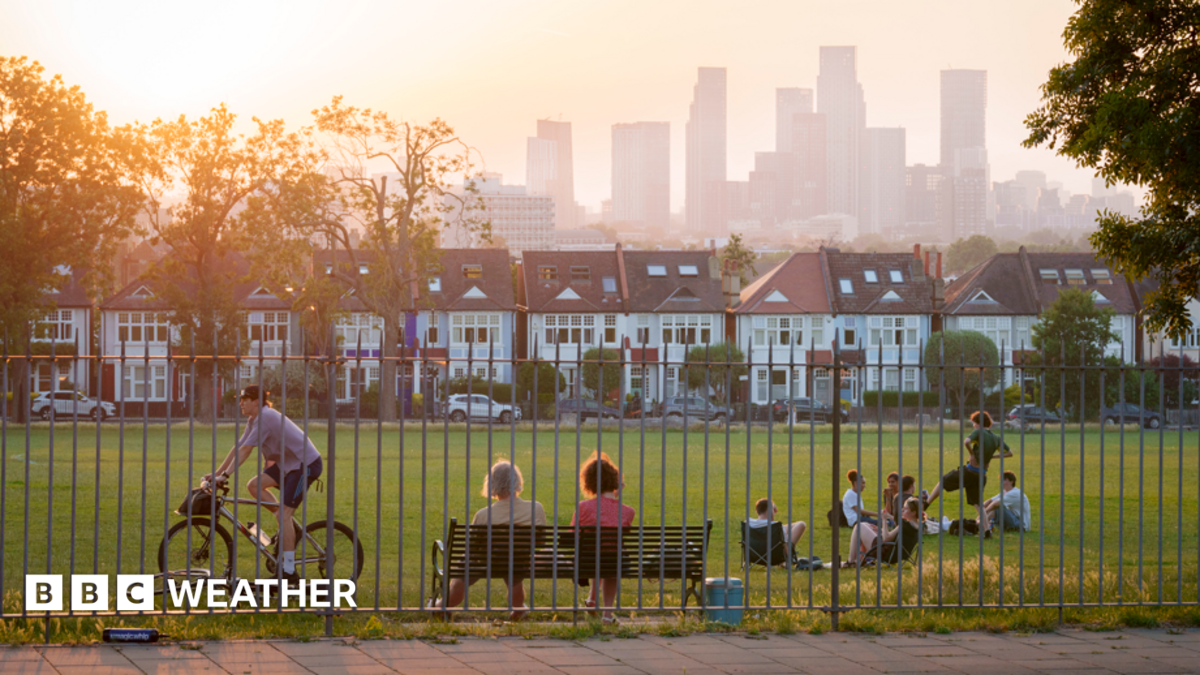
The UK weather forecast heatwave that broke June records is ending this weekend: cooler Atlantic air reaches most areas by Sunday, though south-east England and East Anglia stay hot on Saturday under a Met Office amber warning until 21:00. Temperatures then return closer to seasonal norms nationwide.
After days of unprecedented June heat — including a provisional UK record of 37.3°C at Santon Downham in Suffolk — millions of households are finally set for relief. The shift matters beyond comfort: extreme heat is straining transport, energy supplies and public services across Europe, making the cooldown a practical as well as a meteorological turning point.
Key Takeaways
- Sunday marks the official end of the current UK heatwave, with fresher Atlantic air spreading nationwide after a slow eastward retreat on Saturday.
- June temperature records were shattered for a third consecutive day, with Santon Downham hitting 37.3°C — more than 1°C above the long-standing 1976 benchmark.
- Met Office long-range outlooks suggest more heatwaves are likely this summer, with a hotter-than-average season now twice as likely as at the start of the century.
- Across Europe, the heatwave has disrupted major events, raised wildfire risks and put pressure on healthcare and energy systems — underscoring heat as a growing economic risk.
- Households planning summer budgets should factor in potential spikes in cooling and utility costs during future heat bursts, not just this weekend's cooldown.
When Will the UK Heatwave Actually End?
Cooler air is set to move across the whole of the UK this weekend, but it will take time to reach eastern and south-eastern England, where conditions remain searingly hot throughout Saturday. A Met Office amber warning for extreme heat stays in force until 21:00 across south-east England and East Anglia.
High pressure — responsible for days of sunshine and record highs — is retreating eastwards. Low pressure centred north-west of the UK is drawing weather fronts in from the Atlantic, and winds are turning from southerly to westerly, driving the change to cooler conditions.
Scotland, Northern Ireland, western Wales and parts of northern and south-west England will peak in the low twenties on Saturday. Central, eastern and south-east England will still see high twenties or low thirties, with lighter winds, strong sunshine and a chance of isolated thunderstorms.
Sunday marks the end of the current heatwave for all of the UK. Weather fronts moving eastwards overnight bring cloud and scattered showers, some heavy across southern England. Cooler air follows the front: Scotland and Northern Ireland drop to the mid-to-high teens, while England and Wales settle in the low twenties, with mid-twenties in the east and south-east. East Anglia could still reach 27°C — warm, but far from the extremes of the past few days.
How Hot Did This Record-Breaking Heatwave Get?
The UK has now experienced two heatwaves in two months, both shattering long-standing temperature records. June's all-time UK maximum was broken repeatedly: provisional highs included 37.1°C at Cavendish in Suffolk and, later, 37.3°C at Santon Downham — smashing the previous June benchmark of 35.6°C from 1976 by more than a full degree.
Red extreme heat warnings — issued for only the second time since their 2021 inception — covered parts of south-east Wales and southern England during the peak. Schools closed and the transport network strained under the pressure. Night-time records were also challenged: Cardiff recorded a June minimum of 23.5°C, the highest ever for the UK in June.
Scientists at World Weather Attribution concluded the extreme June heat across western Europe would have been impossible just a few decades ago. Met Office chief scientist Prof Stephen Belcher said human-induced climate change has made events like this more likely and more intense.
Will We See More Heatwaves This Summer?
Yes — forecasters already indicate further heatwaves are possible despite this weekend's cooldown. The Met Office's three-month summer outlook, issued on 1 June, suggested higher-than-normal chances of hotter weather through August, with an increased chance of heatwaves and heat-related impacts.
MeteoGroup, which provides BBC Weather data, expects above-average temperatures for June, July and August, with significant bursts of heat across the UK and Europe. According to the Met Office, a hotter summer is now twice as likely compared with the 1991–2020 reference period — consistent with a warming climate.
Met Office scientists warn the chance of exceeding 40°C is accelerating; Coningsby in Lincolnshire reached 40.3°C in July 2022. Projections suggest mid-forties temperatures could become a serious possibility by 2050 if global warming continues at its current pace.
El Niño has been declared in the Pacific, but its typical lag means it is not expected to boost heatwaves this summer. For UK households, future spikes are more likely driven by long-term warming than by this year's ocean cycle — a useful signal when planning energy use and home cooling costs. Smart financial planning around seasonal utility swings is a recurring theme in our Wealth Hacks & Passive Income coverage.
What Is Happening Across Europe as Heat Moves East?
The UK cooldown arrives as the wider European heatwave shifts eastward. France postponed Paris's Pride march after police asked organisers to cancel large events, citing a healthcare system already stretched by extreme temperatures. French authorities reported 55 drowning deaths since the heatwave began.
Poland warned that heat combined with record-low May rainfall has significantly increased wildfire risks in forests and national parks, with record-high temperatures expected this weekend. Spain registered 327 heat-related deaths since Sunday as national and local records fell. A wildfire on Tintwistle Moor in Derbyshire burned more than 500 square metres of moorland, forcing road closures and smoke warnings.
Great Britain's energy system operator raised alarms over electricity supplies for the second time this week as the heatwave disrupted European energy markets, calling for extra power supplies. Experts described extreme heat as an emerging structural economic risk for Europe.
For authoritative detail on the weekend forecast and what follows, see the BBC Weather analysis and the Guardian's live coverage of the European heatwave.
How Should Households Respond to the Cooldown?
This weekend's shift does not mean summer heat is over — it means the most extreme phase is passing. Long-range forecasts still point to above-average temperatures and further bursts of heat before meteorological autumn begins on 1 September.
Practical steps during the transition include checking whether cooling devices ran harder than usual during the peak and reviewing utility statements for unusual demand. The pattern of serial heatwaves — two already this year, with more possible — rewards households that treat extreme weather as a recurring budget line, not a one-off surprise.
Next week is set to feel very different for most of the UK. That relief is real and welcome. But the records broken this June, and the economic ripples felt from Paris to Poland, make one thing clear: in a warming climate, the weather forecast heatwave cycle is becoming a fixture of summer planning — for meteorologists, policymakers and anyone managing a household budget.