UK retailers pitch e-scooters for commuting despite road ban
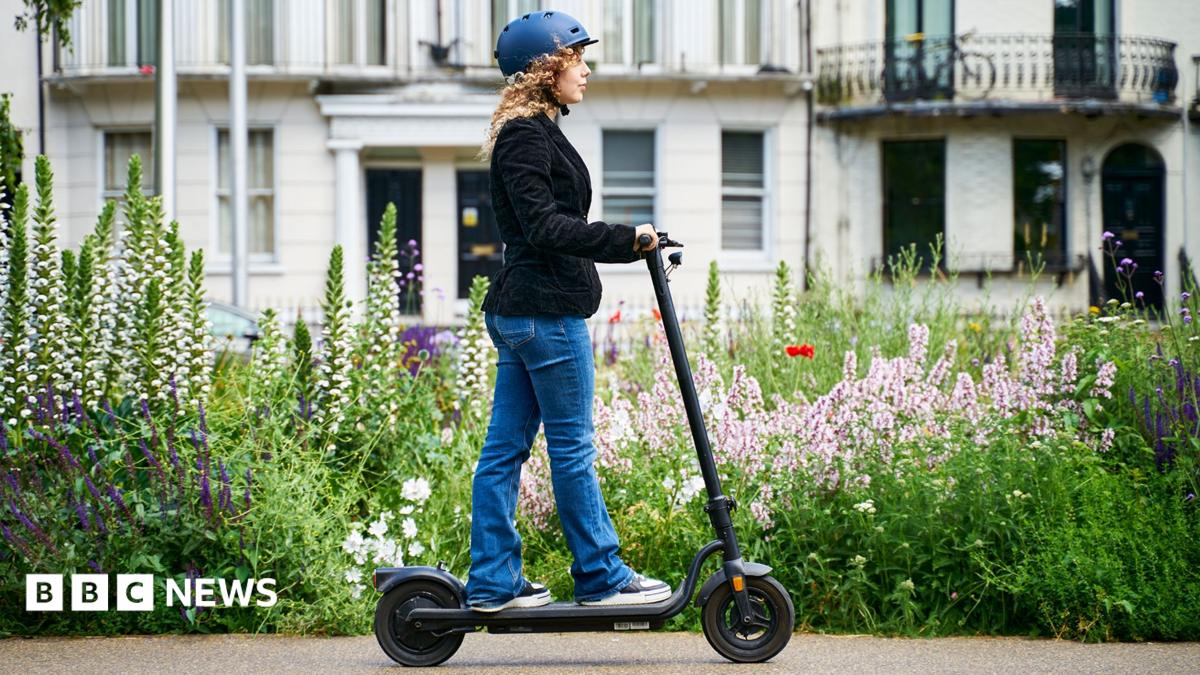
Major UK retailers including Amazon, Argos, Currys and Halfords have advertised privately owned e-scooters for commuting despite UK law banning their use on public roads, pavements and cycle lanes. A Press Association investigation found marketing implying legal street use, putting buyers at risk of fines, seizure and serious injury.
If you are weighing a scooter as a cheap commute hack, the sales pitch and the law are dangerously out of sync. Shoppers are being sold a money-saving mobility story that, on Britain’s streets, can end in a confiscated vehicle, penalty points and a bill for a machine you cannot legally ride to work.
Key Takeaways
- Privately owned e-scooters may only be ridden on private land with the landowner’s permission; public-road use is illegal outside government-backed rental trials.
- A Press Association probe found Amazon, Argos, Currys, Halfords and smaller sellers marketing scooters for commuting, urban riding and trips to work.
- Police and coroners have warned of serious injury risks, with 10 fatalities and 1,484 injuries reported last year from e-scooter collisions.
- The Advertising Standards Authority says legal disclaimers are not enough when ads still imply scooters belong on roads or pavements.
- Several major retailers updated listings after being contacted, but smaller sellers still promote commuter scooters without clear warnings.
Why Are UK Retailers Marketing E-Scooters for Commuting?
E-scooters are pitched as a green, low-cost alternative to cars and crowded public transport. That commuter-friendly framing is powerful for retailers chasing sales in a crowded personal-mobility market.
Research by the Press Association found major brands and independent sellers giving customers the impression that privately owned scooters can be used on the road. Amazon listed a £379 MIWEN electric scooter recommended for “urban commuting.” Argos advertised adult models from brands including Pure, Segway, McLaren and Zinc with copy promising “smooth rides, whether you’re gliding to work or cruising for fun,” and declared that “commuting just got a serious glow-up.”
Halfords carried a legal warning on its e-scooter pages, yet still marketed a £499 Pure Escape with cruise control “for added relaxation across long distanced commutes” and an £899 McLaren model for “urban riding.” Currys previously described a scooter as a “fun, efficient means of getting around your local area” before that language was removed from its UK site.
Smaller specialist retailers reviewed by the Press Association went further. Some sold electric “commuter” scooters with no warnings that public use is banned, while others called their products “a smart choice for daily travel needs.”
What Does UK Law Actually Say About Privately Owned E-Scooters?
Under current UK rules, privately owned e-scooters are illegal to ride on public roads, cycle paths and in parks. They may only be used on private land with the landowner’s permission.
The only legal public-road exception applies to rental scooters operated through official government trial schemes. Those hired machines can be ridden on public roads and cycle lanes under trial rules. Everything sold for personal ownership must stay off public highways unless you are on permitted private land.
That distinction matters for anyone browsing wealth hacks and passive income ideas that promise to cut daily travel costs. A scooter bought for a weekday commute is not a clever saving if the police can stop you, seize it and issue fines or penalty points. Under UK law, riders can also face criminal prosecution for driving without insurance.
According to reporting from the BBC, the major outlets changed their advertising after being contacted by the Press Association. They pointed to guidance on their websites telling customers to follow local laws. Smaller retailers, however, still appear to be promoting e-scooters for commuting or riding in towns and cities.
How Risky Is Riding an E-Scooter on Public Roads?
Police and coroners have repeatedly warned that illegal public use puts riders at risk of serious injury or death. The Independent reported 10 fatalities and 1,484 injuries from e-scooter collisions last year.
A 2022 inquest into the death of a 14-year-old girl prompted a coroner to criticise retailers for selling e-scooters without adequate legal warnings. The gap between glossy product pages and roadside reality is not just regulatory — it is physical.
Retailers have faced criticism for selling scooters marketed for commuting despite those warnings. Buyers drawn in by urban-riding copy may not realise they are risking both their safety and a run-in with police who have the power to stop private scooters, seize vehicles and issue fines.
What Happens When Retailers Get Caught Misleading Buyers?
Regulators have already drawn a hard line. The Advertising Standards Authority banned a Currys e-scooter advert for omitting significant information about where riders may legally use the vehicles. The ruling said the ad was misleading and socially irresponsible because visuals suggested scooters could be used in public places.
The ASA advises advertisers to include a prominent statement explaining the law, but says this is not enough if their ads also give the impression e-scooters can be used anywhere. That matters when product pages mix legal small print with commuter-friendly headlines and lifestyle imagery.
After the Press Association investigation, Argos said it includes clear warnings on all e-scooter product pages and edited its website to remove commuting references from advertising material. It also updated wording on a search page. Even so, a sponsored Google search result from Argos was still advertising “Commuter E-scooters & City Ride” on the Tuesday after changes were made, with the company saying removal from Google could take time.
Currys said it is reviewing its website to ensure no product listings suggest e-scooters can be used on public roads or spaces. Amazon said its guidelines require listings to state that e-scooters are prohibited from public use in the UK and must not show riders on roads or pavements. Halfords said safety and legality are priorities and that it provides clear guidance on the law both online and in store.
Should You Buy an E-Scooter to Save Money on Your Commute?
For most UK commuters, the honest answer is no — not if the plan depends on riding it to work. The purchase price is only the start. A seized scooter, fine, prosecution risk and medical costs can wipe out any savings from skipping the bus or train.
If you already own one, the legal use case is narrow: private land only, with permission. Rental trial schemes remain the lawful route for public-road riding in participating areas.
Before spending hundreds of pounds on a commuter scooter, read the full product page, not just the hero image. Check whether the copy talks about work, cities or urban travel. Compare that language against the legal warnings now appearing on major retailer sites.
The Press Association findings show the market is still split. Big names are cleaning up listings under scrutiny, while smaller sellers continue to pitch illegal commutes with little or no caution. Treating a private e-scooter as a street-legal commute hack is a costly gamble, not a wealth hack.