UK heatwave set to intensify as wildfires burn across Wales
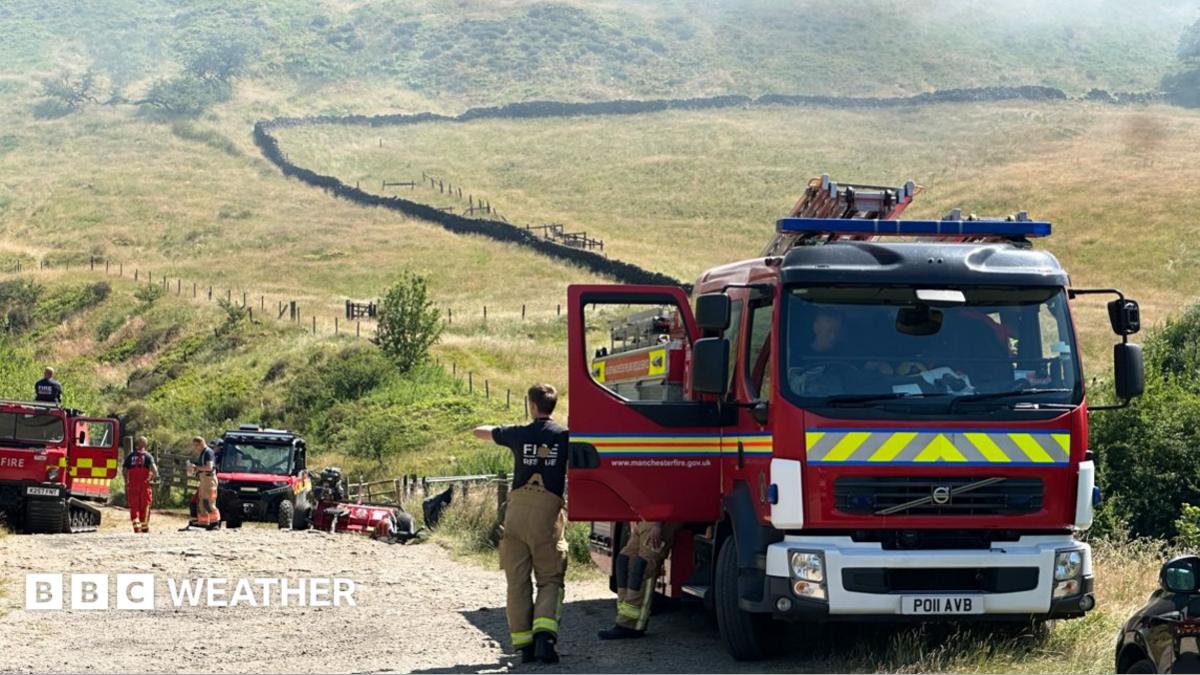
DIRECT ANSWER: The UK's third heatwave of 2026 is set to intensify in its second week as temperatures climb back toward 30C and beyond, while wildfires burn across Wales and England. A major incident was declared near Conwy Mountain after dozens of homes were evacuated, and Natural England warns much of the country faces exceptional wildfire risk.
For readers tracking local news with real financial stakes, this is not just a weather headline. Evacuations, closed schools, moorland blazes and stretched emergency services are disrupting daily life from North Wales to London — and the heat is forecast to peak again before the week is out.
Key Takeaways
- The UK's third heatwave of 2026 is entering a second week, with temperatures expected to peak again around Thursday and some areas possibly reaching the low to mid-30s.
- A major wildfire near Conwy Mountain and Sychnant Pass forced evacuations, affected roughly 200 acres and prompted a major-incident declaration in North Wales.
- Natural England rates much of England and Wales at very high or exceptional wildfire risk, with southern and eastern counties among the most exposed through the week.
- Amber and yellow heat-health alerts remain in force until 21:00 BST on 15 July, warning of significant impacts on health and social care.
- Fire crews are also tackling blazes in Derbyshire, Greater Manchester, Sussex, Devon, Somerset and parts of London amid prolonged dry conditions.
What is happening with the UK heatwave?
After a brief dip on Monday, the heatwave that has gripped much of England and Wales is expected to build again. BBC Weather lead presenter Matt Taylor reported that more places could exceed 30C this week, with some forecasts suggesting temperatures close to the mid-30s in isolated spots.
For some southern counties, Monday still brought highs around 30C — meaning consecutive days above that mark are stretching into a second week. By midweek, lighter easterly winds and rising humidity are forecast to push temperatures higher again, with a likely peak on Thursday.
The scale of the heat has already broken records. The UK has recorded nine days this year when temperatures reached 34C or higher, surpassing previous record years of 1976 and 2020. The Met Office also said 2026 is the first year to log 35C on six separate days.
Where are wildfires burning across the UK?
The most serious blaze is in north Wales, where North Wales Fire and Rescue Service was called to Conwy Mountain in the early hours of Sunday and later declared a major incident. Assistant chief fire officer Anthony Jones said about 200 acres had been affected and the fire front measured roughly 1.6km at the height of the incident.
Thirty-six homes were evacuated after the fire broke out near Conwy Mountain and the Sychnant Pass, according to the BBC. Lisa Goodier, mayor of Penmaenmawr Town Council, told The Independent that around 60 people were asked to leave early on Sunday, with police knocking on doors from about 6:30am.
Residents in Capelulo described ash falling from a smoke-darkened sky and hearing the fire crackle as it advanced down the mountain. Ben Campbell, who fled with his wife Michelle and their three sons, told the BBC: "The sound was worse than anything. It was so loud, the crackling. You could hear it coming down the mountain." Ysgol Pencae in Penmaenmawr and Ysgol Capelulo were both closed on Monday because of the wildfire.
Wildfires have not been confined to Wales. The Guardian reported major incidents in Derbyshire, where crews battled a large-scale fire at Tintwistle Moor on tinder-dry ground, using helicopter water drops. Firefighters also remained at a moorland blaze near Dovestone Reservoir in Greater Manchester, where smoke was reported as far as Manchester city centre.
Over the weekend, blazes affected Hampshire, County Durham, West Sussex, East Sussex, Devon and Somerset. In London, crews tackled fires in Walthamstow and Orpington, while the London Fire Brigade dealt with a shrubbery blaze at Stratford Station on Friday evening that closed rail lines.
Why is wildfire risk rated 'exceptional' in parts of the UK?
Natural England's Fire Severity Index maps how severe a wildfire could become under current weather conditions. It analyses rainfall, drought, wind, temperature and humidity to assess risk across England and Wales.
On Monday, parts of Dorset, Hampshire and West Sussex faced the highest risk, according to The Independent. By Wednesday, exceptional danger was forecast to shift toward southern Essex and Cambridgeshire, with northern Cambridgeshire and Suffolk facing the largest exceptional-risk zones by Friday. Meanwhile, much of the rest of England and Wales remains at very high risk.
Three record-breaking heatwaves and a prolonged lack of rainfall have left vegetation parched. Dave Swallow, wildfire deputy lead at the National Fire Chiefs Council, warned that hot, dry conditions significantly increase wildfire risk — but stressed that most fires start from human sparks, including disposable barbecues, cigarettes or glass bottles left in sunshine.
How long will the heatwave and fire danger last?
Amber and yellow heat-health alerts issued by the UK Health Security Agency remain in force until 21:00 BST on Wednesday 15 July across large parts of England. They warn of significant impacts on health and social care, including increased deaths among older people and those with existing conditions.
Fire risk may ease slightly midweek as winds lighten and the chance of showers increases in some southern areas. However, BBC Weather said exceptional danger could rise again more widely across central and eastern England from Wednesday, and there are no signs of reliable rain across the week ahead.
A cooldown later this weekend remains uncertain. Computer models suggest more northerly winds could bring temperatures down, but high pressure may rebuild quickly. For homeowners and anyone managing property or outdoor work, that extended uncertainty matters. Practical guides in our Wealth Hacks & Passive Income section often focus on protecting assets and planning around disruption; right now, local conditions are doing the disrupting.
What should residents near wildfire zones do?
North Wales Fire and Rescue Service asked people to avoid the Conwy Mountain area and told local residents to keep windows and doors closed if affected by smoke. Anyone experiencing breathing difficulties was advised to seek medical help. Evacuated residents were told it was too early on Monday morning to say when they could return home.
Authorities urged the public not to light outdoor fires, to stay away from affected moorland and to report smoke immediately. The Met Office also warned people tempted by hot weather to check water temperatures before swimming, after several water-related deaths in recent days. Hosepipe bans are already in place across much of southern and eastern England as water firms respond to the dry spell.
Climate scientist Friederike Otto of Imperial College London told the Guardian that the heat seen this summer is linked to roughly 1.4C of warming driven by fossil-fuel burning, and that hotter heatwaves are likely in the years ahead. For communities from Capelulo to the South Downs, the immediate priority is simpler: follow emergency instructions, limit ignition risks and prepare for a week where local news and local weather are the same story.