UK health guidelines should target optimal health, not minimums
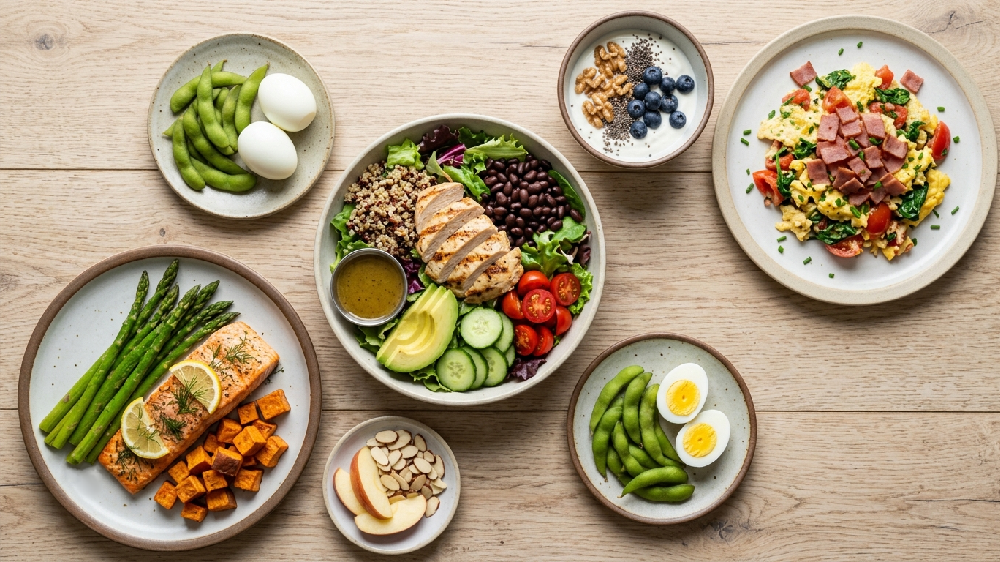
A new perspective paper argues that UK physical activity and protein guidelines should move beyond preventing deficiency toward optimizing guidelines toward optimal health outcomes. Author Chris Macdonald proposes adding a second tier of recommendations for higher exercise and protein to preserve strength, independence, and cognitive function throughout life.
The call comes as researchers increasingly link age-related muscle and bone decline to the very outcomes public health messaging is meant to prevent.
Key Takeaways
- Current UK guidelines set bare-minimum thresholds for physical activity and protein (0.34 g/lb/day), not optimal targets.
- Macdonald proposes adding separate optimal-health guidance without replacing existing minimum recommendations.
- Evidence links low muscular strength to roughly double all-cause mortality risk and very low cardiorespiratory fitness to about four times higher mortality.
- Sarcopenia and osteoporosis feed each other, supporting the paper's call for resistance training and higher protein, especially in older adults.
- Macdonald urges clearer public messaging and tools like per-meal protein calculators to make optimal targets practical.
Why do current UK guidelines fall short?
In a perspective published in Frontiers in Nutrition, Macdonald, a fellow at Cambridge's Lucy Cavendish College and director of the Better Protein Institute, draws a sharp line between bare-minimum public health targets and what recent science suggests for long-term vitality. Today's nutrition and activity guidance is designed chiefly to prevent nutrient deficiencies and inactivity-related disease, not to help people remain functional into their later decades.
"Public health advice often focuses on the minimum people need to avoid problems," Macdonald said. "But many people want to know what they should do to remain strong, independent, and mentally sharp throughout life." For readers tracking the broader longevity and biohacking space, the gap between minimum and optimal targets is a recurring theme.
What should optimal exercise guidance look like?
Physical activity benefits scale with dose. Research cited in the paper found that even 15 minutes daily is linked to lower mortality, but benefits continue as duration increases. Both aerobic work (walking, cycling, running) and muscle-strengthening are essential, and combining them appears critical for optimal outcomes.
The mortality data is stark: low muscular strength was associated with roughly a 200% higher all-cause mortality risk compared with high-strength groups. Very low cardiorespiratory fitness carried about 400% higher mortality risk versus high fitness. Macdonald's summary: more is better, with more variation, more time, and more intensity.
Who needs more protein than minimum targets?
UK protein guidance sits at 0.34 g/lb/day, calculated for sedentary maintenance. Research suggests resistance trainers may benefit from roughly 1 g/lb/day. Older adults prone to sarcopenia showed improved muscle composition at about twice the UK recommendation. Pregnant women may also need more than current targets suggest.
UK Biobank analysis reinforces why this matters: sarcopenia and osteoporosis each raise the other's risk, especially in men and younger cohorts. Sedentary lifestyles, poor sleep, and smoking further drive osteosarcopenia. Active people with adequate protein are positioned to break that cycle.
What comes next for public health policy?
Macdonald calls on the government to review and update exercise and protein guidelines for optimal health outcomes, acknowledging that nutrition research often relies on self-reported data and needs larger, more diverse studies. He emphasizes communication: grams per meal, simple calculators, and framing exercise as preservation of independence, not vanity.
The full case is laid out in Frontiers in Nutrition. Macdonald argues the goal is a culture that values resilience: being able to lift up, play with, and even remember your grandchildren.