UK starts first Ebola vaccine trial eight weeks into emergency
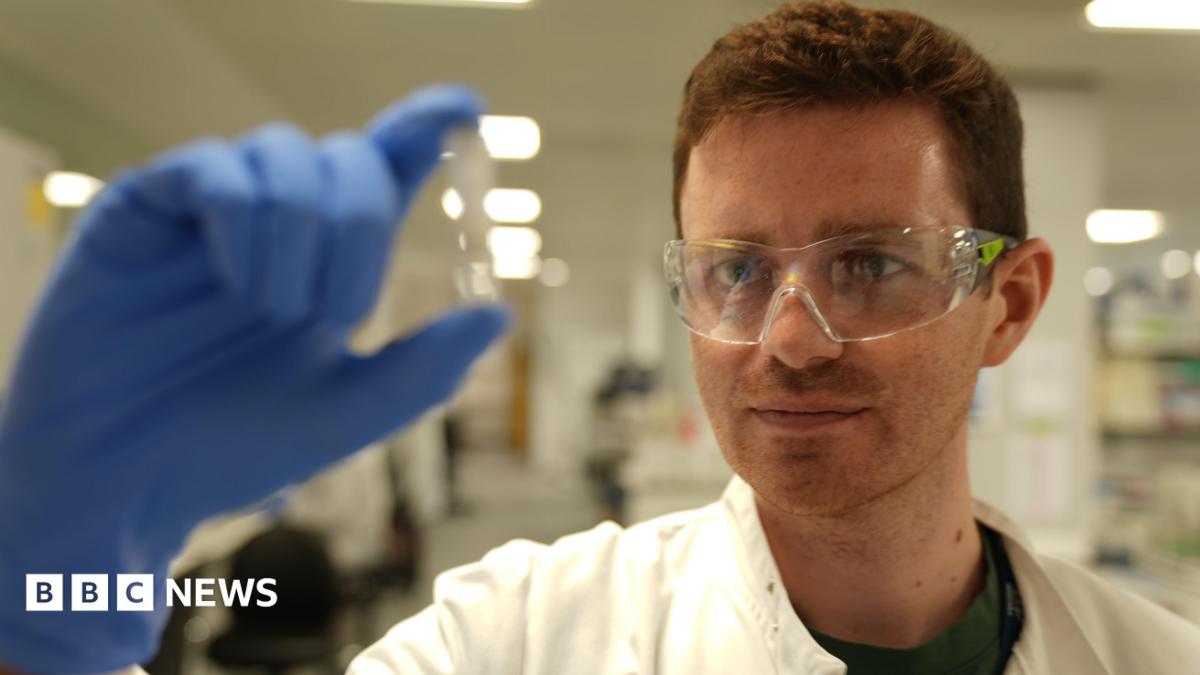
The UK's medicines regulator has approved the first human trial of a new Ebola vaccine developed at Oxford University, just eight weeks after the Bundibugyo outbreak was declared a global emergency on 17 May. Fifty healthy UK adults will receive doses within weeks—the fastest of four candidate vaccines racing to fill a gap where no licensed shot exists. The milestone matters because the epidemic centred on the Democratic Republic of the Congo has already killed 625 people among 1,792 laboratory-confirmed cases, with no approved drugs or vaccines for this rare viral species.
Key Takeaways
- MHRA approval makes Oxford's Bundibugyo-targeting Ebola vaccine the first of four candidates to enter clinical trials.
- Phase one will test 50 healthy UK adults aged 18–55; first doses are expected within weeks.
- The Serum Institute of India has already manufactured and stockpiled around 620,000 doses.
- Researchers are preparing with partners in Uganda for future trials in Africa.
- Three rival vaccines remain in development, including candidates from Moderna and IAVI.
Why does this Ebola outbreak need a new vaccine?
The current emergency is caused by the Bundibugyo species of Ebola—a strain that has sparked only two previous outbreaks and kills around a third of those infected. The six Ebola species are similar enough to confuse the public but distinct enough that each needs its own treatments and vaccines.
That leaves responders without the tools that helped curb past Zaire-strain epidemics. The outbreak is still not under control and is unfolding in a conflict zone with highly mobile populations, raising the stakes for any workable Ebola vaccine. For more on how rare pathogens test global preparedness, see our True Crime & Unsolved Mysteries coverage.
How did Oxford develop an Ebola vaccine so fast?
Scientists at the University of Oxford began work when the public health emergency was declared eight weeks ago. They reused the same chimpanzee cold-virus platform that powered the Oxford–AstraZeneca Covid jab: researchers swap the genetic "letter" inside the viral envelope—in this case, a snippet from Bundibugyo Ebola—so the immune system learns to recognise the threat without causing infection.
The candidate was tested on mice and macaque monkeys before the Serum Institute of India manufactured it to clinical standard. Vaccine researcher Alex Sampson told the BBC the team "scaled up really, really quickly" once the outbreak began, running parallel tests rather than cutting corners.
When will volunteers in the UK receive doses?
Recruitment is under way for 50 healthy adults aged 18 to 55. Dr Katrina Pollock, the Oxford-based chief investigator, said phase-one trials of experimental vaccines are run routinely so teams are "ready for exactly this kind of outbreak." First injections in Britain are expected within weeks.
Volunteers will be monitored for a year, though scientists expect to see quickly whether the vaccine triggers the right immune response or unexpected side effects. Pollock noted severe reactions are very rare and any risks will be explained to participants—though a clotting risk similar to the Covid AstraZeneca shot remains possible, it is far lower than the danger posed by Bundibugyo Ebola itself.
What happens next in Uganda and beyond?
UK approval is only the first step. Oxford researchers are working with partners in Uganda to prepare for trials in Africa. A BBC report on the UK-made vaccine confirms it is now ready for human testing after regulators signed off on the data.
Three other Bundibugyo vaccines remain in development, including an mRNA candidate from Moderna and projects from the International AIDS Vaccine Initiative and Public Health Vaccines. None has reached clinical trials yet, making Oxford's candidate the first of the four to move forward.