Is the UK facing drought for a second summer running?
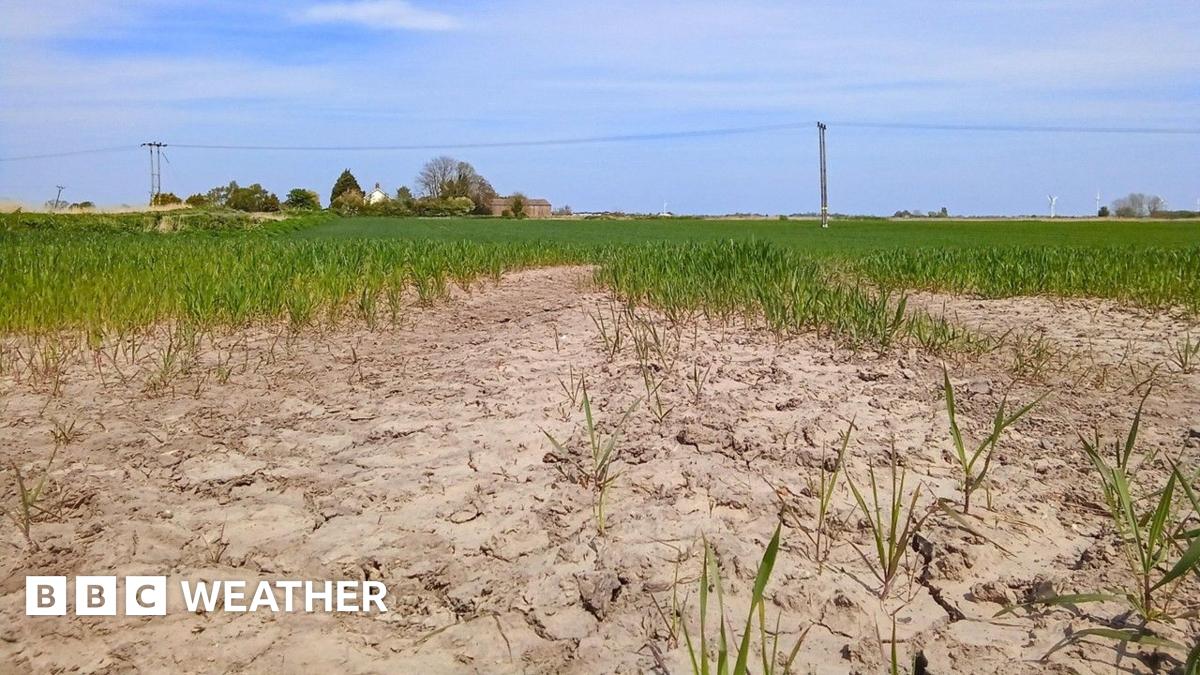
Yes — drought risk is rising again, though it has not been declared. The UK faces a third heatwave after a hot, dry summer start, with hosepipe bans for millions. If you ask whether there another heatwave coming, high pressure keeps hot, largely rain-free weather for several more days, with only light showers likely near coasts.
Key Takeaways
- England, Wales and eastern Scotland are driest after a dry spring and three widespread heatwaves.
- Central England is in its longest dry spell since 1995; parts of eastern England had just 26% of expected summer rainfall by mid-July.
- Hosepipe bans cover millions; 87% of English river catchments are below normal to exceptionally low.
- Little significant rain is expected for at least five days; later July may bring scattered showers and thunderstorms.
- Last summer’s drought ended only four months ago, but wet autumn and winter rain slowed a repeat declaration so far.
Is the UK heading into drought again this summer?
According to the BBC, summer has been exceptionally hot and dry across much of the UK, with three widespread heatwaves and the longest run of dry days in central England since 1995. Wisley in Surrey has recorded 33 consecutive dry days.
Last summer, drought was declared across much of England, Wales and eastern Scotland; it officially ended just four months ago. This year has not flipped into drought as fast because heavy autumn and winter rain recharged aquifers, rivers and reservoirs. Still, England, Wales and eastern Scotland remain the driest regions after a very dry spring. By 15 July, parts of eastern and north-eastern England had received only 26% of their expected summer rainfall.
When will the rain return, and is there another heatwave coming?
ITV News, citing the Met Office, says the UK is enduring its third heatwave of the year with little sign of significant rainfall soon. High pressure should keep most of the country largely rain-free for the next few days, aside from brief local showers or thunderstorms that will not ease the national dry spell.
The BBC likewise expects very little rain this week for most places, with only a few light showers possible near coasts. Weekend fronts may wet Northern Ireland and Scotland but could fizzle farther south, leaving little rain for the south and east. The Met Office sees a higher chance of showers later in July, though timing and amounts remain unclear. Beyond that, the BBC says there are hints conditions could stay mainly dry and warm, especially in the south.
How are water supplies, farms and public safety affected?
Hosepipe bans are already in force for millions of customers in England, including the east of England, Cambridge, Hampshire, the Isle of Wight and parts of Kent. The Environment Agency says 87% of catchments are now at below normal to exceptionally low levels. In Wales, where just 5% of July rainfall had fallen, Natural Resources Wales has moved the worst-hit north and south-east areas into “prolonged dry weather status”.
ITV reports 19 wildfires across the UK in July and a yellow heat alert into midweek. Scientists estimated at least 2,700 UK deaths were linked to extreme heat in May and June. This year has beaten the record for most days above 34C and matched 1976 for 30C days, the Met Office said, while the current heatwave passed last year’s July mark of 35.8C, with 36C in many southern counties.
NFU deputy president Paul Tompkins said farmers are working around the clock to harvest early crops, water produce and care for livestock, warning of another difficult, expensive harvest after extreme weather in 2024 and 2025. The Met Office expects UK summers to become hotter and drier, potentially up to 60% drier and 1–6C warmer by 2070 versus 1990. For related risk alerts, see Fintech & Crypto Alerts on BlasterPost.