UK defence investment plan finally lands with £5bn for drones
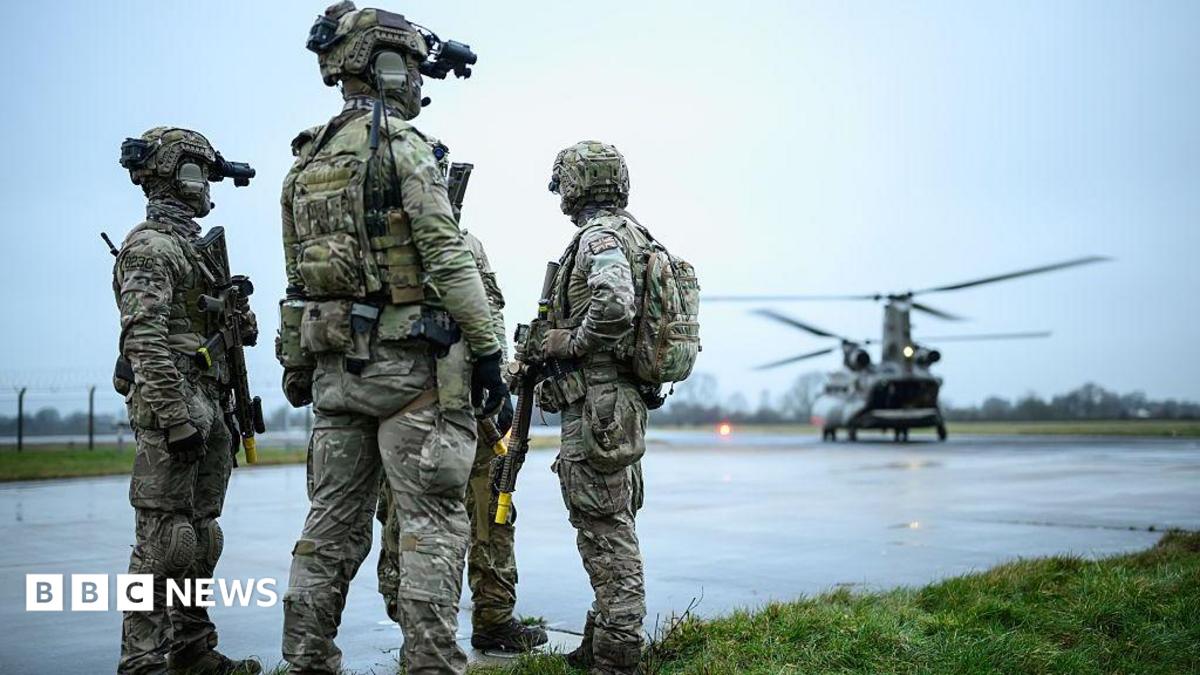
The UK government is publishing its long-delayed defence investment plan on Tuesday 30 June 2026, centring on more than £5 billion over four years for drones and autonomous weapons—the largest such commitment in British military history. The plan lands after months of Treasury wrangling and resignations, just days before the Nato leaders summit in Turkey.
Sir Keir Starmer says the defence investment plan will keep Britain "safe and secure long into the future" while driving growth through British industry. For investors and workers watching where public money flows, the document matters because it locks in a decade of equipment spending—and signals which sectors will hire.
Key Takeaways
- The defence investment plan includes £5bn over four years for drones, autonomous systems, and a hybrid Royal Navy, after a delay of roughly nine months.
- Treasury and No 10 agreed a £13.5bn uplift, well below the £28bn the Ministry of Defence sought; new Defence Secretary Dan Jarvis won an extra £1.5bn, largely for drones.
- Former defence secretary John Healey resigned over the funding gap; the plan still leaves questions about how the remaining shortfall will be closed.
- Starmer will unveil the 80-page plan at a defence firm on Tuesday, framing it as a jobs and industrial-growth package ahead of the 7 July Nato summit.
- Royal Marine commandos are set to receive uncrewed speedboats from Kraken Technology in Fareham, among Jarvis's additional commitments.
Why Is the Defence Investment Plan Being Published Now?
The defence investment plan was originally due in autumn 2025. Repeated delays followed tense Whitehall negotiations over how to fund it, with departments across government asked to trim capital budgets by at least 1% to free cash.
It now arrives on Tuesday, around nine months late and shortly before the Nato leaders summit in Turkey on 7 July. Prime Minister Sir Keir Starmer is pushing ahead despite his impending departure from Downing Street, presenting the plan at a defence firm on Tuesday morning.
The Ministry of Defence says Defence Secretary Dan Jarvis spent the last two weeks "refocusing" the plan to reflect lessons from Ukraine and Iran, where uncrewed systems have destroyed high-value targets. Jarvis said "the character of warfare is rapidly changing."
How Much Money Is in the Plan—and What Is Missing?
At the heart of the published outline is £5bn over the next four years to expand drone and autonomous weapons use—the MoD's largest ever investment in the technology. The Treasury and No 10 had earlier agreed a £13.5bn funding increase over the spending row period, well short of the £28bn the MoD wanted.
The Guardian reports Jarvis persuaded Chancellor Rachel Reeves to add another £1.5bn, with most directed at drones to deter Russia and Iran. That still leaves a substantial gap. Reeves reduced an £18bn funding shortfall that contributed to Healey's exit, but former service chiefs warn the UK is not committing enough.
Healey quit earlier in June, saying proposed spending would reach only 2.68% of GDP by 2030—"well short" of the 3% he considered necessary on the path to Starmer's 3.5% target by 2035. Armed Forces Minister Al Carns also resigned, calling the draft "not transformative enough."
What Will the £5bn Drone Package Actually Buy?
Before the full document lands, the MoD has outlined where the drone money goes. The Army receives £50m for drones and uncrewed vehicles. The Royal Air Force will develop autonomous fighter jets and bring an "uncrewed electronic warfare drone system" into service in 2026.
Funding also supports Europe's biggest drone testing centre—the Uncrewed Systems Centre in Swindon, opened in March—and a task force to develop autonomous technology with industry. Capabilities range from small tactical quadcopters to complex autonomous mine-hunting systems and low-cost one-way attack drones.
The Royal Navy is shifting to a "hybrid navy" mixing crewed warships with self-controlled vessels and AI. Britain's six Type 45 destroyers will not be replaced by planned Type 83 versions; instead, cheaper common combat vessels will control fleets of uncrewed drones. At least six new warships are still funded.
Royal Marine commandos will get additional uncrewed speedboats built by Kraken Technology in Fareham, Hampshire—one of Jarvis's extra Treasury wins. Military sources say they could support Hormuz peacekeeping to detect hostile drones if a durable US–Iran agreement is reached.
Does the Defence Investment Plan Create Wealth and Jobs?
Starmer frames the plan as economic as well as military policy. He said it would "help drive growth across the UK, giving our industrial base the confidence, certainty and support it needs to develop and scale the technologies that will keep our country safe." The MoD says the drone transformation will create thousands of British jobs.
Andy Burnham, widely expected to succeed Starmer as prime minister, told a Manchester audience on Monday that future procurement would favour British-based suppliers—a principle he said would "apply fully to the defence investment plan." Nato Secretary General Mark Rutte, visiting the UK ahead of the summit, said defence spending both keeps countries safe and creates jobs.
For readers tracking where state capital lands, the DIP follows June 2025's Strategic Defence Review, which pledged billions for ammunition, fast jets, drones, and attack submarines while warning UK forces were "not currently equipped" to fight opponents like Russia or China. More analysis of how major spending programmes ripple through regional economies sits in our Wealth Hacks & Passive Income section.
Who Opposes the Plan—and What Happens Next?
Opposition parties have attacked both the delay and the funding level. Shadow defence secretary James Cartlidge called it "too little, too late" and accused Starmer of rushing a legacy document. Liberal Democrat leader Sir Ed Davey said the government had "dangerously short-changed our armed forces."
Healey is expected to speak in the Commons on Tuesday as MPs receive the 80-page document covering dozens of projects from frigates to nuclear submarines. Burnham's allies want the row resolved before he takes office but say he could reopen the plan if needed.
Rutte said he was confident the UK would eventually meet spending commitments, though not hit 3.5% of GDP "in one big step." The full defence investment plan, when published, will set the equipment roadmap for the coming decade—details are available from the BBC's reporting and the government's Tuesday release.