UK climate extremes are the new normal, Met Office says
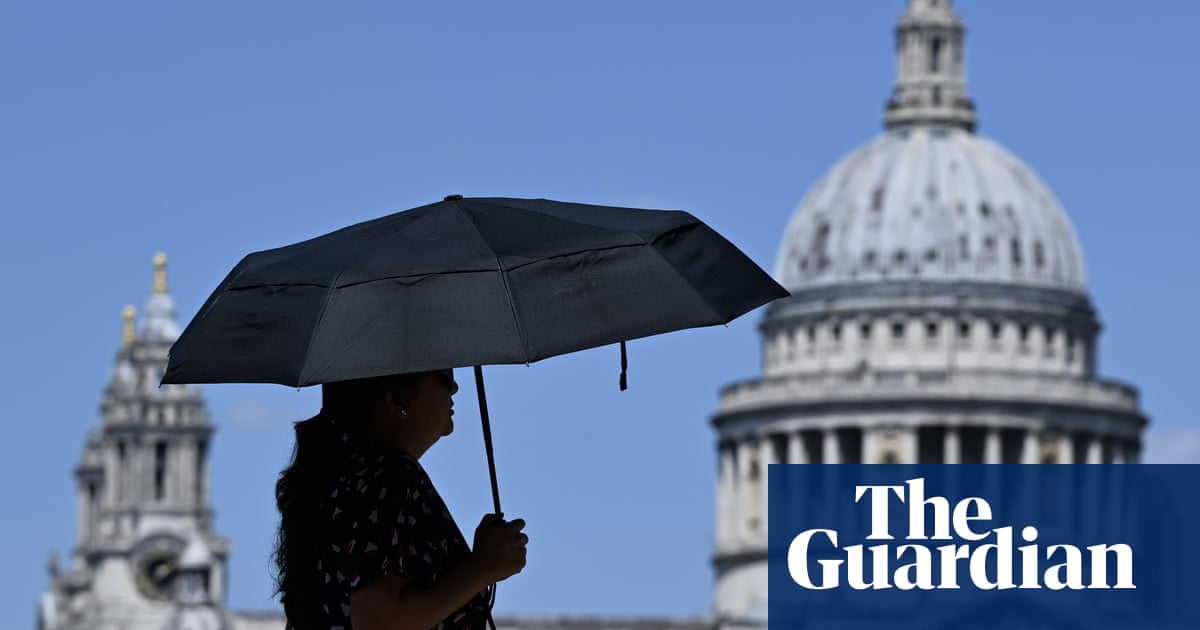
The UK's climate has shifted so sharply that heat and rainfall extremes once considered rare are now routine, the Met Office says in its latest State of the UK Climate report. With 2025 the warmest year on record and 2026 already matching 1976 for 30°C days, scientists warn twentieth-century weather norms are gone.
Britain's weather has long been a national talking point, but the numbers in Wednesday's report read less like seasonal grumbling and more like a generational break with the past. Four of the country's five warmest years on record have arrived in the last four years alone. The latest decade, 2016–2025, ran 1.33°C warmer than the 1961–1990 baseline that many Britons still mentally treat as "normal."
Lead author Mike Kendon put it bluntly: "We are right now living in a time of historic and unprecedented change." In terms of temperature — on annual, seasonal, monthly and daily timescales — he said the evidence shows "the climate of the 20th century has now gone."
Key Takeaways
- 2025 was the UK's warmest year since national records began in 1884, and four of the five hottest years have all landed in the last four years.
- In Greater London, days above 30°C and nights above 18°C have more than quadrupled compared with 1961–1990 — a shift Bloomberg highlights as one of the starkest capital-city changes since the 1980s.
- Three heatwaves have already hit Britain this summer, with temperatures exceeding 30°C on 25 days in 2026 — matching the infamous 1976 total.
- Spring rainfall in England and Wales fell to less than half the average in 2025, with hosepipe bans now spreading across parts of the south and east.
- Annual UK temperatures have risen by around 0.25°C per decade since the 1980s, and the Met Office expects national records to fall again within years.
How different is UK weather today compared with a generation ago?
The report's nostalgia test is simple: compare today's extremes with the world Britons grew up in. In parts of the South East — from Kent through to Lincolnshire — the average hottest day of the year is now 4.5°C warmer than during 1961–1990. In Greater London, scorching days topping 30°C have more than quadrupled over the same period, according to Bloomberg's analysis of the Met Office data.
It is not only London feeling the shift. Kendon noted that areas such as the Vale of York and Lancashire now experience annual temperatures similar to those Greater London recorded between 1961 and 1990. Warmer southern conditions are effectively being imported northward, while colder northern climates shrink.
For anyone who remembers 1976 as the benchmark for unbearable British heat, 2026 has already matched that year for days above 30°C — all before the traditional peak of summer. Annual UK temperatures have risen by around 0.25°C per decade since the 1980s, making 2025 the sixth time this century that the national annual temperature record has been broken.
That generational contrast is exactly the kind of story our Nostalgia: Then & Now coverage exists to track — not rose-tinted memory, but measurable change in the conditions that shaped daily life.
Why does the Met Office say extremes are becoming normal?
The report, published in the International Journal of Climatology, frames the shift as a moving baseline. What scientists once flagged as exceptional is increasingly treated as expected. Kendon told reporters: "What we used to think of as extreme, we increasingly consider as normal."
Man-made climate change — driven largely by burning fossil fuels — is the engine behind the trend, according to Sky News. Royal Meteorological Society chief executive Professor Liz Bentley said the report provided a "ground truth" that climate change is hitting the UK now. It is, she warned, "no longer an abstract concept for future generations."
The human cost is already visible in the headlines. The UK is facing its third heatwave of the summer as Europe scorches, and the Met Office has stressed that Britain's climate has fundamentally changed — and is still "on the move." Kendon added that warmer conditions are being imported into the south while colder climates in the north are shrinking.
What does hotter, drier weather mean for everyday British life?
Heat is only half the picture. England and Wales received less than half the average spring rainfall last year, and some areas saw less than a third. The pattern has returned in 2026, with hosepipe bans announced across the east of England, Cambridge, Hampshire, the Isle of Wight and parts of Kent.
Water restrictions and repeated heat alerts are becoming part of the summer calendar rather than exceptional emergency measures. What once arrived as a once-in-a-generation scorcher is now part of a longer, hotter rhythm that stretches from late spring deep into high summer.
Scientists say the conditions behind recent European heatwaves are here to stay. Extreme temperatures that felt like outliers within living memory are, increasingly, the baseline against which each new season is measured.
Can the UK expect more record-breaking years ahead?
Scientists say yes — and soon. The Met Office expects national temperature records to fall again within years, not decades. Kendon said the evidence shows a climate evolving faster than the reference points most people still carry in their heads.
The report lands as the UK weathers a third deadly heatwave to have scorched Europe over the last two months. Days that would have made front-page news a few decades ago now arrive in clusters, with 25 separate days already topping 30°C nationwide in 2026 alone.
For readers old enough to remember when a warm British summer meant a string of pleasant afternoons rather than emergency water restrictions, the Met Office's message is unequivocal. The weather Britain built its routines around has left the building. What replaces it will define the next chapter of British summers — and the Guardian's reporting on the study makes clear that chapter is already underway.