Ubtech launches world's first mass-produced humanoid robots
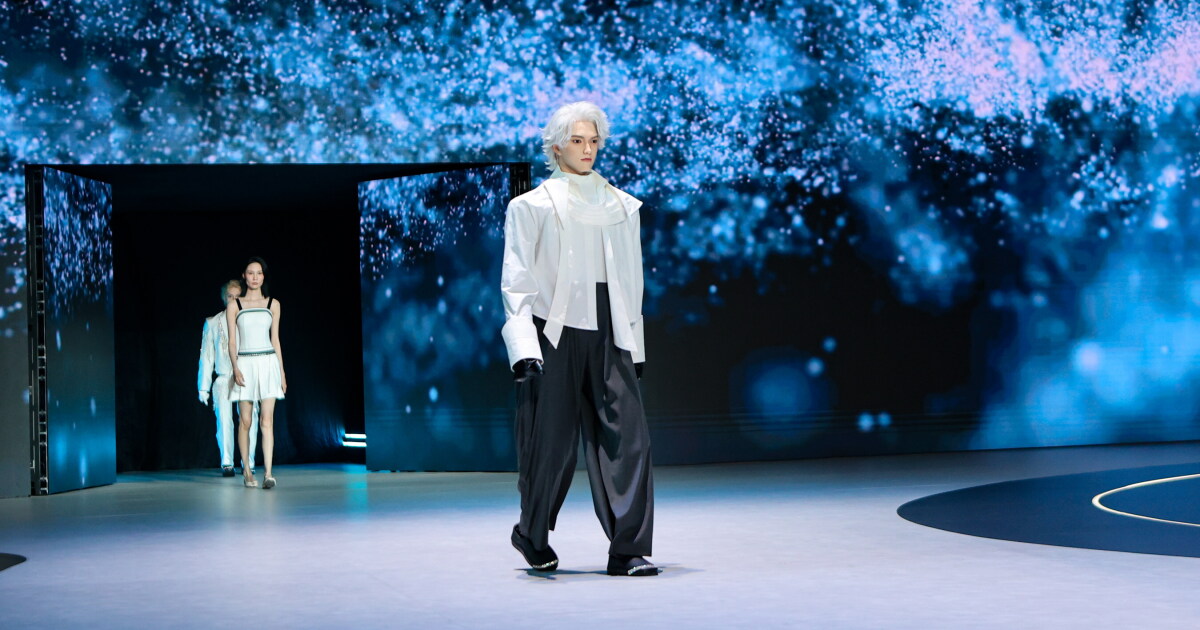
Chinese robotics firm Ubtech has launched the Uworld U1 series, which it calls the world's first full-size, mass-produced companion humanoid robots for home use. Models range from about US$17,655 to $145,717, and the company reported more than 13,000 orders on launch day as China pushes humanoid robots beyond factories into companionship.
Key Takeaways
- Ubtech markets the Uworld U1 as the world's first full-size, mass-produced "ultrabionic" companion robot.
- Prices span roughly 119,800–990,000 RMB (about US$17,655–$145,717), with recharges every two to four hours.
- Hardware claims include 88 servo joints, silicone skin, ~300 micro-expressions, and up to 90% human-like motion.
- The pitch is companionship—not chores—and many early orders came from demo halls and government buyers.
- Reviewers flag slow conversational responses; commentators question whether frictionless loyalty equals real companionship.
What exactly did Ubtech put on the market?
According to New Atlas, Ubtech's Uworld U1 lineup is aimed at homes, not factory floors. China already leads in industrial humanoids; this launch bets that loneliness is the next commercial frontier.
The series includes the U1 Lite semi-torso, the full-body U1 Pro, and the high-dynamic U1 Ultra. Male units stand 183 cm (6 ft) and weigh 42 kg (92.6 lb); female units are 163 cm (5 ft 4 in) and 35 kg (77 lb).
Ubtech says the machines can replicate up to 90% of human movements, blink, show roughly 300 micro-expressions, and wear silicone skin with pores and wrinkles. Readers following Future Tech & AI Wonders will recognize how fast companion machines are moving from stage demos toward retail.
How much do these humanoid robots cost—and who is buying?
Depending on the model, prices run from 119,800 RMB to 990,000 RMB—about US$17,655 to $145,717. Units need a recharge every two to four hours.
Ubtech said it logged over 13,000 orders on launch day, though many came from demonstration halls and government procurement rather than private living rooms alone. Coverage of the Shenzhen launch also noted a target market of roughly 120 million single adults and 320 million people aged 60 and above in China, with more than 13,300 units pre-ordered before the formal show.
UBTech has been explicit that the U1 cannot cook, clean, or run errands, and is not built for intimate relationships. Higher-paying buyers can customize face, hair, and voice.
Can the companion AI hold a real conversation?
Speech-to-lip synchronization is claimed at under 20 milliseconds, but answer latency can stretch to tens of seconds. In one demonstration, after a woman said she was depressed, the robot stared silently for a long stretch before speaking—an exchange New Atlas called comically awkward and still "rusty" in practice.
On stage, the robots walked and danced slowly and a bit unnaturally. Early advertising promised elderly care, playtime with toddlers, housework, and dog walks; by official launch, the message narrowed to companionship—"always focused on you and always loyal."
Why does "unconditional loyalty" worry critics?
Opinion writers argue the vow that a machine "will never betray you" sells comfort, not connection. A companion that cannot disappoint also cannot challenge or transform you, they say—raising the risk that frictionless loyalty distorts how people expect human relationships to work.
Ubtech's launch proves demand for humanoid robots as companions is real. Whether the tech—and the social bargain—can match the marketing remains the harder question.