Tungsten West Devon mine ready after £71m cash injection
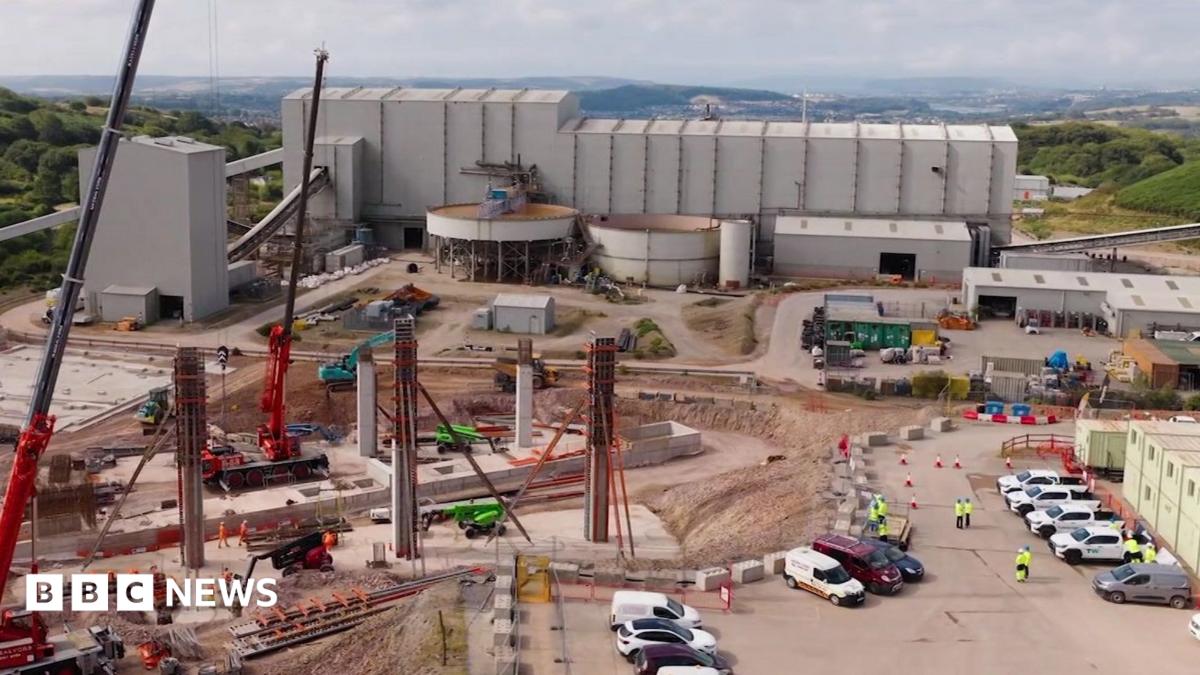
Tungsten West is restarting its Hemerdon tungsten mine near Plymouth after a £71m National Wealth Fund cash injection, with bosses saying the Devon site is now ready to push toward full production by the end of the first quarter of 2027. The project is expected to create 350 jobs and help the UK secure a critical mineral still dominated by Chinese supply.
For readers tracking industrial policy and long-horizon resource plays under Wealth Hacks & Passive Income, the Hemerdon restart is less a retail tip and more a signal: public capital is being used to reopen a strategic mine and lock in domestic offtake rights.
Key Takeaways
- Tungsten West will restart Hemerdon near Plymouth after up to £71m from the National Wealth Fund.
- Bosses aim for full production by the end of March 2027, with about 350 jobs expected.
- The financing mixes a £36m equity stake with up to £35m of lending.
- The UK gains rights to negotiate and procure up to 50% of the tungsten produced.
- China currently supplies about 80% of global tungsten, used in defence, aerospace, energy and electronics.
What just happened at Tungsten West?
According to the BBC, Tungsten West says Hemerdon—described as holding one of the most significant tungsten deposits in the Western world—is moving back toward full production after the cash injection.
Work is restarting at a mine that has largely lain untouched since 2018. The company took over the disused site in 2019, then paused reopening plans in 2022 as costs rose and the market price for tungsten was low.
Chief executive Jeff Court said the firm started “very, very quickly” after the announcement and that the timing was right for an “extra boost for funding.” He said Tungsten West had done everything it could to make the project more robust after the 2022 hold, and that the market was much stronger now.
A separate BBC report sets out the money: up to £71m from the National Wealth Fund, structured as a £36m equity investment plus up to £35m of lending to help restart production. Court called Hemerdon a “world class, low cost and long life tungsten and tin resource” and said existing infrastructure and a previously operating mine mean competitive costs and a shorter route to production.
Why does a Devon tungsten mine matter for the UK?
Tungsten is an extremely hard metal used in defence, aerospace, next-generation energy and electronics. BBC reporting notes that about 80% of current production comes from China—context that helps explain why ministers frame Hemerdon as a security and resilience play, not only a local jobs story.
The National Wealth Fund said the multi-million investment makes the government a significant long-term partner in one of the UK’s most strategically important mineral projects, with rights to negotiate and procure up to 50% of the tungsten produced. BBC coverage also said the government would ringfence 50% of production for use in Britain.
Plymouth Sutton and Devonport Labour MP Luke Pollard, Minister for Defence Readiness and Industry, told the BBC tungsten matters in national defence as an armour-piercing metal used in missile production and other defence applications. He said a more dangerous world and rising demand for critical minerals were why the government invested, arguing the move would help the UK be more resilient and keep the country safer while creating jobs.
Minister for Reindustrialisation Blair McDougall called the move “a huge vote of confidence in an industry which is obviously part of the West Country’s heritage but also an essential part of our modern economy.” Business Secretary Jonathan Reynolds described the investment as a “major vote of confidence” in the critical minerals sector and a step in the prime minister’s plans to “reindustrialise Britain,” while supporting skilled jobs across Devon.
National Wealth Fund chief executive Oliver Holbourn said Hemerdon had the “largest deposits of tungsten in the world right on our doorstep,” with demand driven by defence, aerospace, next-generation energy and electronics. Chancellor John Healey, as quoted by the BBC, said Britain could tap into one of the world’s largest deposits of the mineral used in steel, electronics and aerospace, adding that a more dangerous world made backing British industry more important than ever.
When could Hemerdon reach full production?
Court told the BBC the company hoped to be at full production by the end of March 2027. Tungsten West separately said its target was to ramp up to full-scale production in 2027.
That timetable matters because the mine was not mothballed lightly. Plans were put on hold three years after the 2019 takeover amid higher costs and weak tungsten prices. Court said government support “come at the exact right time for the project” and showed “an incredibly strong level of support, right up to Number 10” in the UK government. He also said Tungsten West had been in talks with the government for some time.
Court stressed that prioritising UK requirements for the critical metal to support domestic demand was “extremely important,” and that Hemerdon would be a long-term creator of economic benefits for the South West, including a significant number of direct and indirect jobs. The government support, he said, would help ensure minerals produced at the mine underpin UK national interests for the long term.
How does this fit a wider mining push in the South West?
The National Wealth Fund framed the Hemerdon deal as part of continued growth and renewal of mining in south-west England. BBC reporting noted it builds on the fund’s January 2025 investment in Cornish Metals to help reopen the South Crofty tin mine.
Together, the messages from ministers, the fund and Tungsten West point to the same trade-off: public capital and offtake rights in exchange for faster restart of a strategic deposit, regional jobs and less exposure to overseas supply concentration. For wealth-focused readers, the actionable takeaway from the reporting is not a stock tip—it is that critical-minerals policy is moving from strategy papers into funded projects with dated production targets.
What is confirmed so far is straightforward. Tungsten West has fresh government-backed financing; Hemerdon work is restarting; bosses are aiming for full production by early 2027; hundreds of jobs are promised; and the state wants preferential access to up to half the tungsten output. Anything beyond those points—future prices, retail returns or project IRR—was not detailed in the sources above.