Trump reignites Greenland dispute at NATO, Denmark pushes back
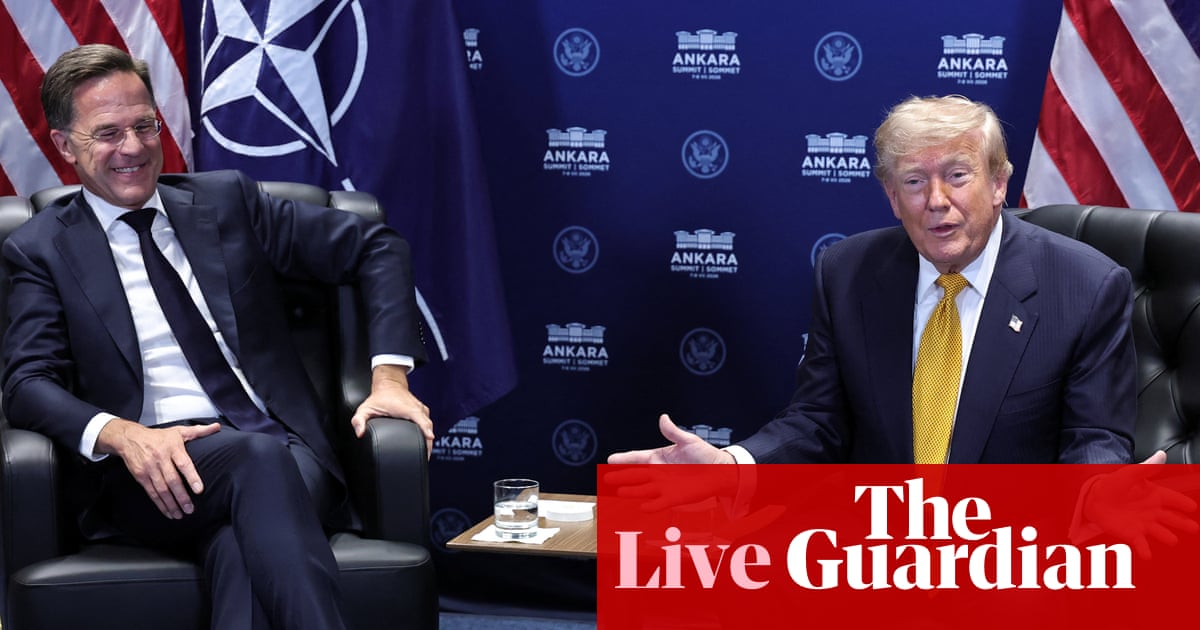
DIRECT ANSWER 40-60 words At a NATO meeting in Ankara, Donald Trump reignited a public dispute over greenland, saying it is “very important” for the US but “not important for Denmark,” according to live coverage and wire reporting. Denmark’s prime minister pushed back, saying the country is ready to defend Greenland and that it isn’t for sale.
Key Takeaways
- Trump put Greenland back on the NATO agenda with remarks questioning Denmark’s role and priorities.
- Denmark rejected the premise, with its prime minister publicly emphasizing defense and sovereignty.
- The clash landed during a wider, tense summit also focused on security disputes and the Middle East.
- For readers watching markets and “passive income” narratives, this is a reminder that geopolitical headlines can change sentiment fast—without changing fundamentals overnight.
What exactly did Trump say about Greenland at the NATO meeting?
During the NATO gathering in Ankara, Trump revived a long-running argument about Greenland’s strategic value and who should ultimately control or influence it. In a moment that quickly rippled across European coverage, he said Greenland is “very important for the US, but it’s not important for Denmark,” as reported in The Guardian’s live blog.
The same live coverage described Trump expanding on that framing by criticizing allies and returning to his broader theme that the US spends heavily on European security while not getting enough in return. In that context, Greenland became a symbol—less about a single island, more about how Trump wants burden-sharing and leverage to look inside NATO.
Reuters also placed Greenland among the disputes Trump was “rekindling” as leaders met in Ankara, according to its report: NATO leaders meet in Ankara as US ceasefire with Iran teeters. That matters because it signals the Greenland issue wasn’t a throwaway line—it was part of a broader, headline-driving posture at a summit meant to project unity.
How did Denmark respond, and why was the response so direct?
Denmark’s response was immediate and public. The Telegraph reported Denmark’s prime minister told Trump the country is ready to defend Greenland. The Guardian’s live reporting likewise framed Denmark’s position as firm, including reiterations that Greenland is not for sale.
Why so direct? Because Greenland is part of the Kingdom of Denmark, and NATO is built on collective defense among members. When a dispute touches sovereignty and defense obligations, leaders tend to answer in plain language—especially in front of cameras and allies.
Even if you ignore the diplomatic subtext, the messaging is straightforward: Denmark is signaling that Greenland’s status is not up for bargaining in the way Trump implied, and that Copenhagen views the question through a defense-and-sovereignty lens.
Why did this flare-up happen now, during a NATO summit?
Timing is part of the story. Reuters described the Ankara summit as taking place amid broader strains, including heightened tensions around a US ceasefire with Iran. In that environment, every dispute becomes louder: a summit designed to showcase coordination can quickly become a stage for grievances.
The Guardian’s live blog similarly depicted Trump’s NATO posture as confrontational, with Greenland folded into a bigger critique of allies and their perceived contributions. Put another way: the summit created an audience of leaders, press, and publics—exactly the setting where a sharp line about Greenland would land with maximum force.
From a communications standpoint, this is also why the rebuttals were so crisp. When one leader makes a sweeping claim in a high-visibility setting, others often respond quickly to avoid letting a narrative settle unchallenged.
Does Greenland matter to “wealth hacks” readers, or is this just political noise?
This is political news first—but it can matter to anyone trying to build wealth calmly, because political volatility often competes with long-term strategy for your attention. When an attention-grabbing headline hits—especially one touching alliances, defense, and international disputes—markets and commentators can react quickly even if the real-world situation hasn’t materially changed yet.
The practical takeaway for “passive income” minded readers isn’t to day-trade geopolitical drama. It’s to recognize the pattern: high-profile statements can increase uncertainty, and uncertainty can amplify short-term swings in sentiment. If your plan depends on being perfectly calm every day, headlines like this will keep trying to break it.
If you’re building a long-term approach, the more useful “hack” is structural: diversify, avoid overconcentration in a single theme, and separate what was said from what actually changed. For more of that steady approach, see our hub: Wealth Hacks & Passive Income.
And if you want the cleanest way to stay anchored to verified details rather than viral rewrites, stick to primary reporting like Reuters and contemporaneous live reporting like The Guardian, then watch what governments do next—not just what leaders say in the moment.
What happens next after Denmark’s pushback?
Based strictly on these reports, the next step is not a signed deal or a formal NATO decision—it’s continued political pressure and continued rebuttal. Trump’s comments put Greenland back into the summit narrative; Denmark’s response aimed to close the door on any suggestion that sovereignty is negotiable.
In the near term, the most realistic “next chapter” is rhetorical and diplomatic: more statements, more questions at press conferences, and more efforts by other leaders to keep the summit focused on agreed priorities. Reuters’ framing—Greenland as one of several disputes—suggests this will be treated as part of a broader management challenge for NATO cohesion during the Ankara meeting.
For readers, the simplest way to interpret “what’s next” is this: expect more noise, and don’t confuse noise with certainty. If there are concrete policy moves later, they’ll appear first in official announcements and hard reporting—not in a single viral quote.