Trump repositions as peacemaker in long Putin call on Ukraine
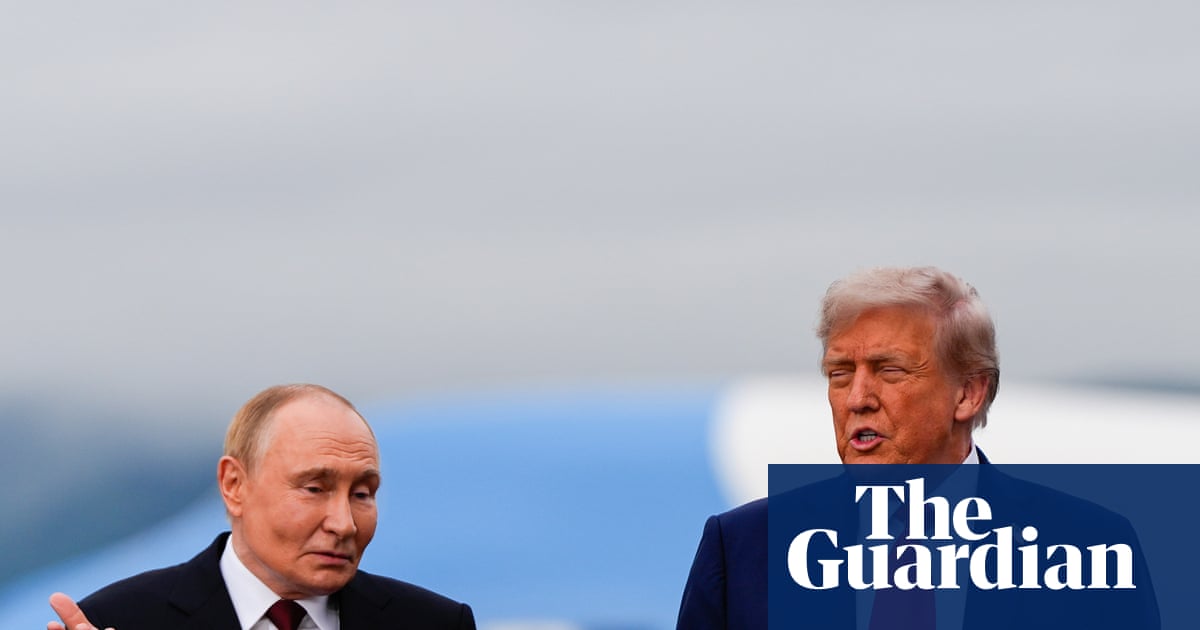
US President Donald Trump spoke with Vladimir Putin for nearly 90 minutes on July 4 and offered to help find a solution to the Ukraine war, according to Kremlin aide Yuri Ushakov. The Kremlin described the Independence Day call as constructive, repositioning Trump as a would-be peacemaker ahead of a NATO summit in Ankara. Fighting has dragged on for more than four years along a 1,200-km front line, even as both leaders signaled openness to further diplomacy.
Key Takeaways
- Trump and Putin held a nearly 90-minute phone call on July 4 to discuss ending the Ukraine war.
- The Kremlin says Trump offered to help broker a rapid end to hostilities and keep envoys Steve Witkoff and Jared Kushner in play.
- Volodymyr Zelenskyy also spoke with Trump and called the conversation "very good," citing a "real prospect" to end the war.
- Both leaders plan to continue talks in person at the NATO summit in Ankara on July 7–8.
- Moscow accused Kyiv and European allies of betting on escalation, even as Ukraine presses long-range strikes on Russian oil targets.
The diplomatic burst landed at a volatile moment. Ukrainian long-range attacks on Russian energy infrastructure have deepened fuel shortages in several regions, according to reporting from The Guardian. Trump's outreach comes as Washington's Ukraine diplomacy has largely stalled amid US focus on the war with Iran.
What did Trump and Vladimir Putin discuss?
Ushakov described the conversation as "business-like and quite constructive." He said Trump "once again confirmed his readiness to work towards a rapid end to the fighting and find solutions to overcome the crisis."
Putin, Ushakov added, stressed Russia's preference for a political-diplomatic settlement — provided Moscow's "fundamental approach" is respected. The Kremlin aide said Putin gave Trump a battlefield update, claiming Russian forces are advancing settlement by settlement.
The two leaders also discussed Iran and the Middle East. Putin expressed hope that US diplomacy on Iran could yield long-term solutions, and reminded Trump of an open invitation to visit Moscow, according to Kremlin readouts cited by Al Jazeera.
How did Zelenskyy respond to Trump's calls?
Hours after the Putin call, Zelenskyy said he spoke with Trump separately. Writing on Telegram and X, he called it a "very good" conversation that covered the war's 1,200-km front line and more than four years of fighting.
"There is a real prospect to end this war and American resolve will have a crucial meaning," Zelenskyy wrote. He said both leaders agreed to continue discussions during the NATO summit in Ankara, where heads of state from 32 countries are expected starting Tuesday.
The Ukrainian president had urged Putin last month to hold a one-on-one meeting, but the Kremlin leader refused. Putin has repeatedly declined direct talks with Zelenskyy, saying Moscow intends to capture the rest of eastern Ukraine by force, RTE reported.
Why does this matter ahead of the NATO summit?
Trump's dual calls set the stage for in-person diplomacy in Turkey just as NATO leaders gather in Ankara. The timing suggests the US president wants to project momentum on Ukraine even as his administration juggles multiple global crises.
Ushakov said Trump told Putin that envoys Witkoff and Jared Kushner would keep trying to broker a settlement and were prepared to visit Moscow again. That keeps a back channel alive, though prior US mediation efforts have made little visible progress.
For readers tracking how geopolitics and emerging technology reshape conflict, our Future Tech & AI Wonders coverage follows how drones, cyber tools, and AI-driven warfare continue to alter the battlefield calculus in Ukraine and beyond.
What obstacles remain to a peace deal?
Despite the upbeat rhetoric, the gap between the sides remains wide. Ushakov accused Kyiv and its European allies of "counting on extending and even escalating the conflict," pointing to Ukraine's strikes on Russian oil-linked targets.
Russia insists any settlement must account for its core demands, while Ukraine rejects territorial concessions. Until those positions move, phone calls — however long — may produce headlines without a breakthrough on the ground.