Trump fires election commission: what it means before midterms
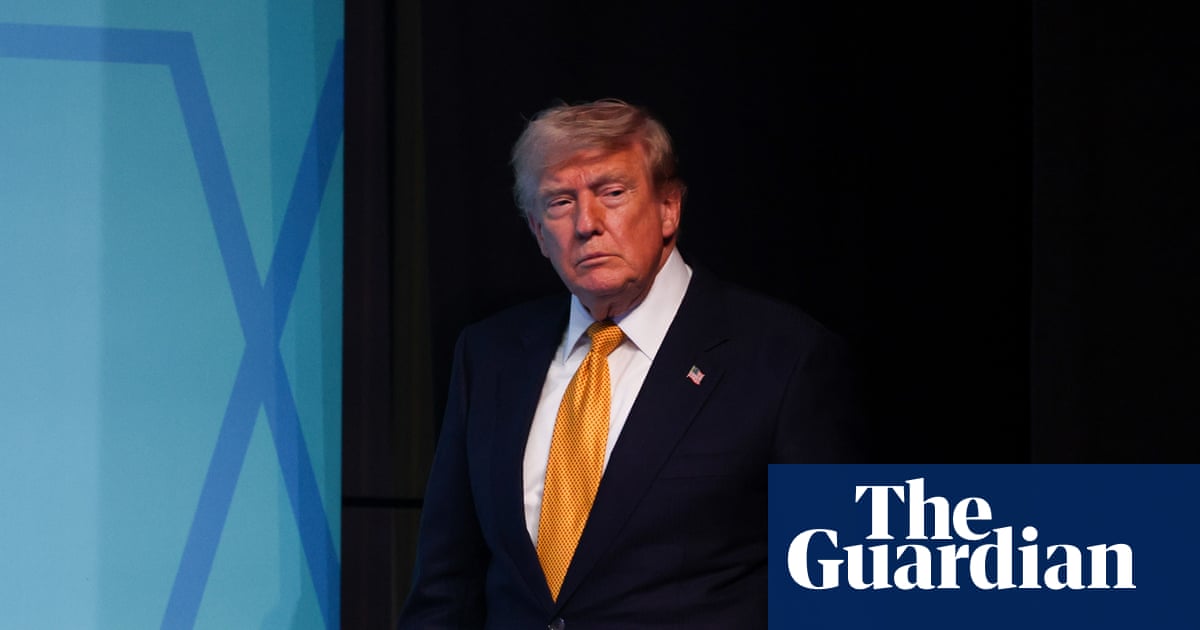
President Donald Trump on July 9, 2026 removed the last three sitting members of the bipartisan Election Assistance Commission, leaving the federal agency that helps states run elections with no commissioners just months before November's midterms. When Trump fires election commission leadership this close to an election, officials warn the move could spark chaos rather than strengthen voting security.
The firings follow a Supreme Court ruling that expanded presidential power over independent agencies and Reuters reporting that White House officials had explored ways to sidestep the EAC. For Americans tracking long-term financial stability, the fight is about whether a key piece of election infrastructure can function at all.
Key Takeaways
- Trump terminated Democratic commissioners Thomas Hicks and Benjamin Hovland by email; Republican Christy McCormick resigned after Donald Palmer left in April.
- With no commissioners, the EAC cannot take official action, including certifying voting systems or updating the national mail voter registration form.
- The White House defended the move, while state officials, Democrats, and some Republicans warned it could undermine election preparation.
- Reuters reported administration officials had weighed emergency powers and other routes to bypass the agency before the firings.
- Readers in our wealth hacks and passive income hub should treat election-administration disruption as a governance risk that can ripple through policy certainty.
What happened when Trump fires election commission members?
On Thursday, July 9, the White House ousted all three remaining commissioners of the U.S. Election Assistance Commission, according to The Guardian, NBC News, and Reuters. The agency is the only federal body devoted solely to election administration.
Democratic appointees Hicks and Hovland received termination emails from the White House Presidential Personnel Office stating their EAC positions were "terminated, effective immediately." Reuters reported the note was signed by Morgan DeWitt Snow, deputy director of presidential personnel. Republican commissioner Christy McCormick resigned, leaving the four-member panel empty after Palmer's earlier departure.
Why does the Election Assistance Commission matter?
Congress created the EAC in 2002 through the Help America Vote Act. The president appoints four commissioners split evenly between the two major parties, and the Senate confirms them. Hicks, Hovland, and McCormick had all been unanimously confirmed.
The agency accredits testing laboratories, certifies voting systems, distributes election security guidance, and maintains the national mail voter registration form. Many states rely on EAC certification before deploying voting equipment. Because the commission needs at least three of four members to approve major actions, an empty board freezes the agency.
NBC News reported the move "hamstrung" the EAC roughly four months before the midterms. The Guardian quoted Arizona Secretary of State Adrian Fontes calling it "irresponsible and dangerous" and saying it "undermines the integrity of nonpartisan election administration."
How could this affect the 2026 midterms?
State and local officials still run elections, but the EAC provides funding guidance, security support, and technical standards administrators depend on. NBC News noted that weakening the agency could create more public distrust heading into November.
Michael Waldman of the Brennan Center for Justice said the terminations left the agency "without leadership and unable to carry out its major responsibilities." Senate Minority Leader Chuck Schumer called the firings a "brazen attempt to seize control of our elections before a single vote is cast." Rep. Mike Lawler, a New York Republican, told NBC he "would not have done it at this moment, heading into the midterms."
Did Trump officials try to bypass the agency before the firings?
Yes, according to Reuters reporting published July 11. Sources said White House officials spent months exploring ways to sidestep the EAC and push voting-policy changes without commission approval.
Reuters reported frustrations included delays in updating voting-machine guidelines, the EAC's refusal to add a proof-of-citizenship requirement to the federal mail voter registration form, and what officials viewed as a failure to advance Trump's election priorities. Among options reviewed was an ODNI proposal to declare a national emergency and stand up a federal task force without involving the EAC. That proposal was never implemented.
What legal and political context explains the firings?
The removals came days after the Supreme Court ruled in Trump v. Slaughter that the president has broad authority to fire leaders of independent agencies. The White House told Reuters: "The President... reserves the right to remove individuals that may not be totally aligned with the important task of securing America's elections." NBC News reported removed commissioners "will be replaced," though nominees and timing remain unclear.
Until new commissioners are confirmed, any administration effort to reshape the federal voter registration form or voting-system standards through the EAC would also stall. Reuters noted the agency remains operational but lacks the quorum needed to approve new business.
What should readers watch next?
Three questions will shape the weeks ahead: whether Trump nominates new commissioners, how quickly the Senate acts, and whether state officials can fill gaps left by a dormant federal agency. For audiences focused on financial resilience, the lesson is not to predict election outcomes but to recognize that governance shocks targeting nonpartisan institutions can affect consumer confidence and federal rulemaking.
Trump's decision has not cancelled the midterms. But by emptying the only federal election-administration agency months before voters head to the polls, the move has turned a technical oversight body into the latest flashpoint over who controls America's voting rules—and whether the system can stay steady under pressure.