Trump calls US nato support 'ridiculous' before summit
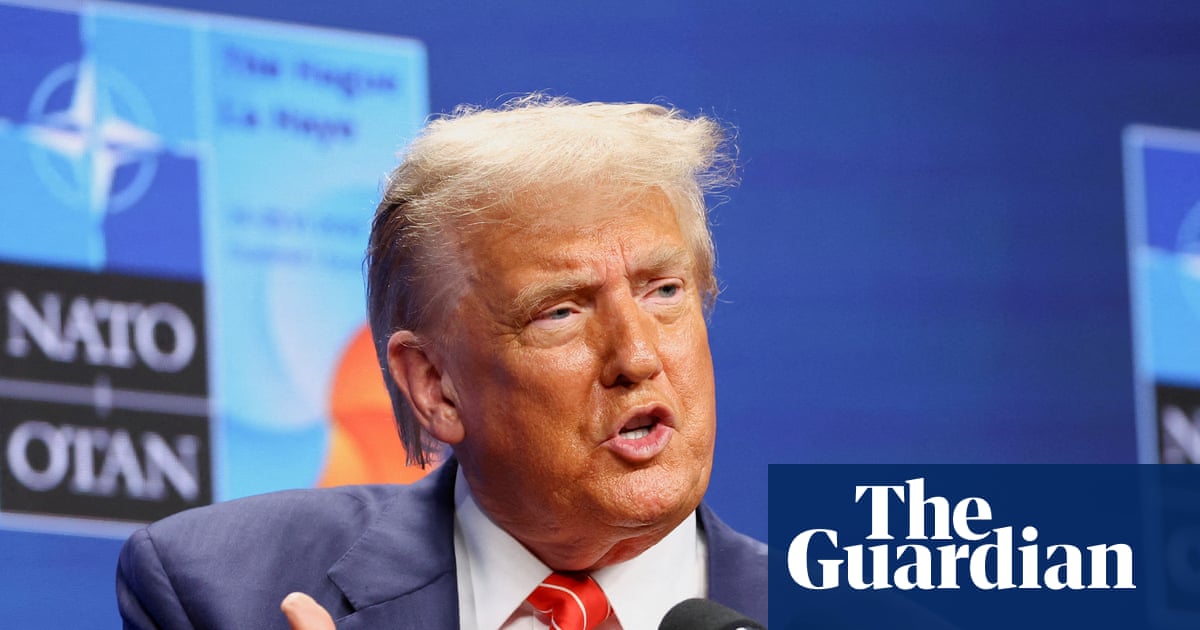
Donald Trump warned it’s “ridiculous” for the US to keep its current level of nato support ahead of the alliance’s July 7–8 summit in Ankara, arguing the relationship is “one-sided” and “not reciprocal.” It matters because his comments put pressure on allies to spend more on defence and could dominate the summit’s agenda.
Key Takeaways
- Trump escalated rhetoric by calling current US support for nato “ridiculous” and “one-sided” ahead of the Ankara summit.
- Burden-sharing is central, with pressure on allies to increase defence-related spending.
- Iran war fallout is a fresh grievance, with Trump saying allies “were not there for us.”
- Summit stakes are high for alliance unity, with diplomats bracing for tense discussions.
What exactly did Trump say about nato support?
In a post on his Truth Social platform, Trump described it as “ridiculous” for the US to continue what he called a “one sided” relationship with nato. He wrote: “They were not there for us!!!” and said Washington’s relationship with the alliance “is not reciprocal,” according to The Guardian.
The comments come less than a week before leaders gather in Ankara on July 7–8 for the alliance’s summit, bringing together 32 member states.
Why is this coming up right before the alliance summit?
The immediate backdrop is Trump’s anger at allies’ response to the war in Iran. The Guardian reported he has repeatedly lashed out at European allies, noting that several countries restricted the use of bases for US forces. Euronews similarly described relations hitting a low point after the US and Israel launched an offensive into Iran and some states initially refused access to military bases.
Those grievances are now colliding with long-running arguments about defence spending and who carries the burden for Europe’s security.
Will this change what allies pay—and what the US gives back?
Defence spending is poised to be a headline issue in Ankara. The Guardian said that under pressure from Trump, nato leaders agreed at a gathering last year to boost defence-related spending to 5% of GDP by 2035.
Meanwhile, the Financial Times reported US officials have framed increased defence spending as the price of getting “goodies” from Trump—another sign that Washington is linking alliance benefits to higher contributions.
How explosive could the Ankara summit get?
Euronews described a “raging” Trump turning up the heat in the days before the meeting, but also quoted Kurt Volker, a former US ambassador to nato during Trump’s first administration, predicting it would not be a “blow up” summit. Volker argued Trump is often “raging about something,” from defence spending to Iran, yet he suggested Trump would not want to overshadow Turkey’s role as host.
Even if leaders avoid a dramatic rupture, the reporting underscores a core question likely to hang over Ankara: how far the US is willing to go in scaling back commitments while demanding allies take a larger lead role in their own defence.
For more coverage in our Future Tech & AI Wonders hub, see Future Tech & AI Wonders.