Trump administration attorney lawsuit after 54-minute firing
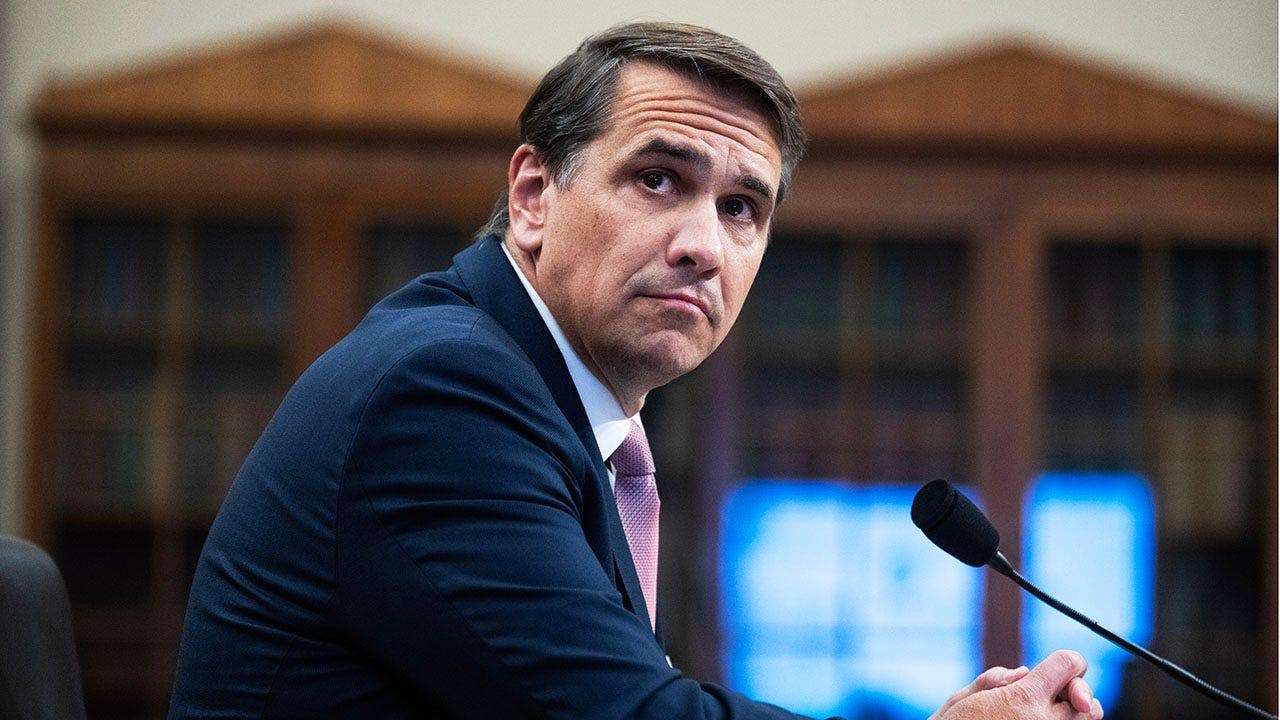
Roger Rogoff has filed a first-of-its-kind trump administration attorney lawsuit after being fired just 54 minutes into his role as U.S. attorney for Washington's Western District. He argues President Trump lacked authority to remove a court-appointed prosecutor before a Senate-confirmed successor is named.
Key Takeaways
- Roger Rogoff was unanimously selected by a Western District of Washington judge panel, then fired about 54 minutes after being sworn in.
- His lawsuit claims a court-appointed U.S. attorney serves until a Senate-confirmed replacement is in place.
- Acting Attorney General Todd Blanche says the president can fire temporary, court-appointed U.S. attorneys.
- Similar early firings hit New Jersey, New York, Nevada, and Virginia; Rogoff is the first to sue.
- The case tests whether presidents can sidestep Senate confirmation by removing judicially selected prosecutors at will.
The fight is not a routine personnel spat. It asks whether a president can erase a court-made appointment before Congress ever confirms a permanent choice—and what that means for continuity in federal prosecution offices that investors, businesses, and households rely on for stable enforcement of the law. Coverage of institutional risk often sits alongside money and policy explainers on BlasterPost's Wealth Hacks & Passive Income hub, because legal certainty shapes markets as much as any tip sheet.
What happened in the first hour on the job?
According to Fox News, Rogoff was appointed last week to serve as U.S. attorney for the Western District of Washington after a panel of district court judges—including Democratic and Republican appointees—unanimously chose him to fill a vacant post.
MS NOW reported that the panel appointed him on July 15 to a seat vacant for more than three years. Less than an hour after that selection, he was told by email that he was being removed. Fox News put the timeline even tighter: the Trump administration fired him just 54 minutes after he was sworn in.
U.S. attorneys are the federal government's chief prosecutors in each district. They oversee criminal cases, represent the United States in civil matters, run local offices, and help set federal law-enforcement priorities on the ground.
Rogoff's résumé, as reported, includes about 20 years as a state prosecutor and six as a federal prosecutor before he became a state judge. Washington Gov. Jay Inslee appointed him to the King County Superior Court in 2013. He later worked in private practice after leaving the bench. He has said he knew the administration might fire him immediately, yet still took what he called “the best job there is.”
Why does this trump administration attorney lawsuit matter?
Rogoff's complaint frames the dispute as a structural check on executive power, not a personal grievance. Federal law, as he describes it, lets the Justice Department install an interim U.S. attorney for 120 days. After that window, the local district court may appoint a replacement “until the vacancy is filled.” In his reading, that language means he remains until a permanent nominee wins Senate confirmation.
If a president can instantly dismiss any court-appointed prosecutor he dislikes, Rogoff argues, an administration could keep offices on temporary footing forever and avoid the advice-and-consent process. That is the core of the trump administration attorney lawsuit now before the courts.
In an interview with MS NOW's Nicolle Wallace on “Deadline: White House,” Rogoff said “the rule of law is not being followed.” He argued people in the Western District of Washington deserve a “legitimate” top prosecutor “appointed pursuant to the legislative acts that have been created according to the Constitution.”
“The idea is that the president is supposed to appoint U.S. attorneys across the country, but he has to do it with the advice and consent of the Senate, and he hasn't done that,” he told Wallace. “The purpose of the advice and consent clause of the Constitution is being frustrated, and that's not the way that the process is supposed to work.”
The complaint names President Donald Trump, acting Attorney General Todd Blanche, and the Justice Department as defendants. Rogoff told Wallace the challenge is about process, not party labels: every president faces Senate hurdles, and the expected path is to nominate someone who can be confirmed—even if that takes more than one try.
How is the Trump administration defending the firing?
The administration's answer is blunt. A DOJ spokesperson told Fox News Digital that the district court “did not coordinate with DOJ on this selection” and that the removal was “wholly within the President's authority,” consistent with other firings of this type.
Blanche posted on X shortly after the dismissal: “District court judges can appoint a temporary U.S. Attorney, and POTUS can fire them.” He said Western District of Washington judges “abandoned the time-honored process of consultation with the administration so that the selected U.S. Attorney is qualified to serve in the administration,” and that “Roger Rogoff has been fired by the President.”
Fox News also noted that Rogoff's complaint cites administration statements suggesting court-appointed U.S. attorneys who lack the president's support will be removed. The White House referred questions to the DOJ. Rogoff's attorneys did not respond to Fox News Digital's request for comment.
Is this the first court challenge of its kind?
Yes, based on the reporting available. Fox News and MS NOW both describe Rogoff's case as a first-of-its-kind lawsuit. Trump has already terminated judicially appointed prosecutors in New Jersey, New York, Nevada, and Virginia, according to MS NOW (Fox News cited New Jersey, New York, and Virginia). Rogoff is the first to fight the removal in court.
That novelty is why the case is being watched as more than a Seattle personnel story. The outcome could clarify whether presidents may dismiss judicially selected prosecutors at will, or whether Congress's vacancy statute keeps those appointees in place until the Senate acts.
Rogoff stressed to Wallace that his career ties to Main Justice were limited under both parties, and that his focus is the district where he has lived and worked. “In this case, with this department, with this district that I live in, and that I've worked in my entire career, it is not working the way it's supposed to work. And someone needs to make it work right,” he said.
He added that Republican or Democratic labels should not decide the dispute. “That's the way presidents have done it forever, and that's the way this president should do it as well.”
For readers tracking how sudden legal fights ripple into business confidence and long-term planning, the institutional stakes are straightforward: when top federal prosecutors can be installed and erased in under an hour, predictability suffers. That uncertainty is precisely what the trump administration attorney lawsuit seeks to put before a judge.
As of the latest source reports, the courts have not yet ruled. Until they do, the Western District remains a live test of how far presidential removal power reaches when judges—not the White House—fill a multi-year vacancy.