Trainspotting the Musical review: a forgettable bad trip
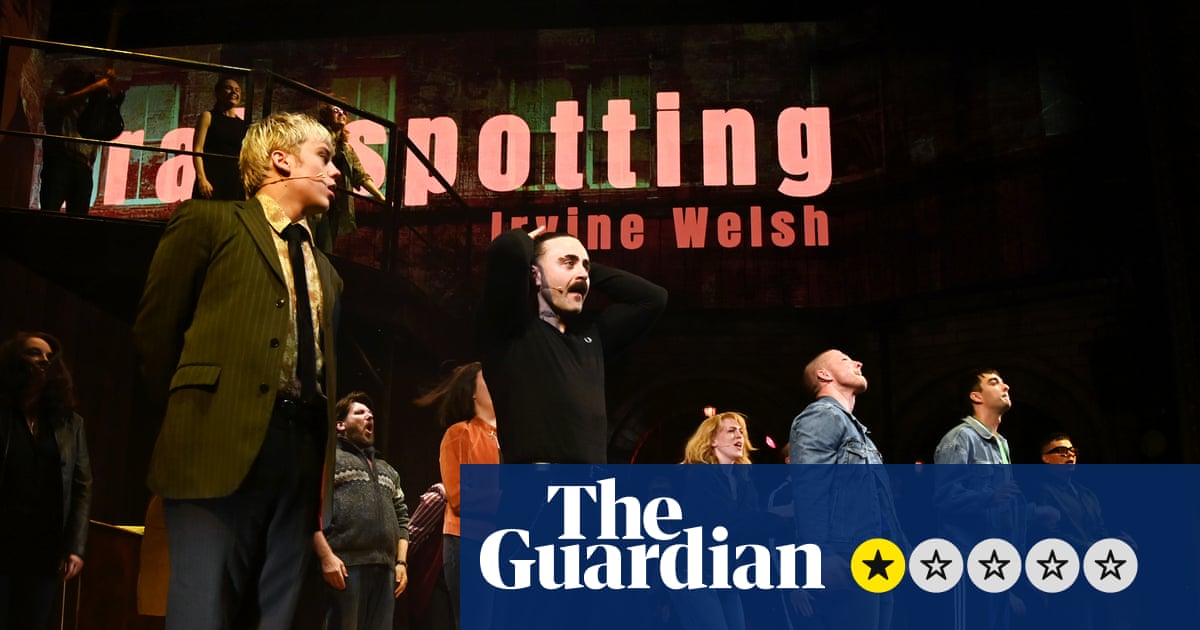
Critics largely agree: Trainspotting the Musical review coverage from London's West End finds Irvine Welsh's Theatre Royal Haymarket staging a choppy, tonally awkward trip. New songs are forgettable, cover versions only imitate better originals, and the iconic "Choose life" energy rarely lands.
Thirty years after Danny Boyle's film turned Leith heroin culture into a cultural earthquake, Trainspotting the Musical has arrived in the West End. Written by Irvine Welsh and directed by Caroline Jay Ranger, it runs at the Theatre Royal Haymarket until 5 September before a UK tour.
For readers who track how 1990s icons get remade, this sits squarely in Nostalgia: Then & Now territory: familiar faces, familiar lines, and a new form that struggles to match the original charge.
Key Takeaways
- Welsh adapts his own novel (and the Skagboys prequel) with director Caroline Jay Ranger at the Theatre Royal Haymarket through 5 September, then on UK tour.
- The score mixes new songs by Stephen McGuinness and Welsh with covers including Iggy Pop's "Lust for Life," Lou Reed's "Perfect Day," "Bitter Sweet Symphony," and "Mad World."
- The Guardian calls the new songs forgettable and the story a weak impersonation of Boyle's film; London Theatre sees an unhappy marriage of jukebox form and bleak plot.
- Standout praise goes to Kieran Andrew's Spud and Rosie Dignan's Alison; Lewis Kidd leads as Renton.
- The Times notes a rough-hewn show with less visual panache than the film, but some communal intensity.
Is Trainspotting the Musical worth seeing in the West End?
That is the question fans are asking after opening-night coverage. The short answer from major critics is cautious at best. The Guardian's review brands it a "bad trip," arguing the drug-addled escapades feel tame and commercial beside the anti-establishment bite of the source.
London Theatre's Theo Bosanquet is similarly mixed. He calls the result a hybrid jukebox show that at times feels like a 1990s nostalgia fest, yet makes an awkward vehicle for a bleak story of broken characters chasing highs amid urban decline.
The Times is slightly warmer, describing the adaptation as rough-hewn but with a certain energy, even while conceding it lacks the film's visual panache. Communal intensity arrives in flashes rather than as a sustained high.
Practical details for ticket-holders: London Theatre lists a two-hour running time including one interval, a 15+ age recommendation, and tickets from £16. The production includes scenes of drug-taking, death, swearing, and adult material.
Why do the songs fall flat against the Trainspotting legacy?
Music is the musical's biggest gamble—and, for several critics, its biggest miss. Alongside the McGuinness–Welsh originals sit period classics so tied to the film that audiences arrive with built-in expectations.
The Guardian says cover numbers bring the few high points, especially "Lust for Life" and "Perfect Day," but argues they mainly imitate a far better original already out there. New material is "forgettable at best," including a country-and-western number and another that reportedly echoes The Proclaimers.
London Theatre flags the same tonal clash. After the "Choose life" monologue, Renton launches into "Lust for Life." Later, post–shoot-up, he sings the country ditty "Cunts Run the Country" with a company line-dance. Spud, after soiling his sheets, gets a jaunty rhyme pairing "munchies" with "rolling with the punches." Rarely, Bosanquet writes, have drugs and rock 'n' roll seemed such strange bedfellows.
Seeing these characters sing while they shoot up or rage against the machine raises a sharper question for The Guardian's critic: would Renton really choose to return to this life? The stage version can feel oddly tame for a crew of anti-capitalists.
How does the stage story compare with the film and novel?
Welsh bases the adaptation on both the 1993 novel and the 2012 prequel Skagboys. Advertising sells a return of the characters 30 years on from Boyle's film, but The Guardian notes the franchise has never really stopped: prequel, sequels, a stage play, and T2 Trainspotting already kept the brand alive.
Onstage, the narrative feels chopped up. Scenes arrive disconnected; well-known set-pieces rattle off as if from a branded assembly line, sometimes in a different order. The Guardian cites the Blackpool northern-soul trip, Spud's speed-fuelled job interview (Kieran Andrew), Begbie's snooker-table violence (Frankie O'Connor), and Renton's toilet high, heightened with Douglas O'Connell's video design.
Touching beats—the death of Alison's baby (Rosie Dignan) and Tommy's decline into heroin (Finlay Paul)—are briskly played and less devastating than they should be, according to The Guardian. London Theatre adds that long stretches of drug-taking offer little plot development, though Renton's soldier brother and parents (Rebecca McKinnis and Gordon Cooper), plus girlfriend Kelly's (Yana Harris) dim London dream, bring some catharsis.
Characterisation draws comparisons to the film cast without matching their charge. Lewis Kidd's Renton has the shaved head and jeans but, The Guardian says, not Ewan McGregor's dark charisma—less the actor's fault than thin writing. Sick Boy (Sheridan Townsley) is cocksure with dyed blond hair; Spud a twitching dork; Begbie a pub psychopath with a moustache.
Design-wise, Colin Richmond's three-sided bar set feels more boxy than expansive to London Theatre, though it supports O'Connell's projections, including the infamous toilet swim. Three musicians and singer Melanie Marshall (billed as The Call of Heroin) are largely kept out of sight in a side room.
Performances still earn partial praise. Andrew's jerky, knock-kneed Spud and Dignan's ill-fated Alison impress most. Ranger, who previously directed the Only Fools and Horses musical at the same address, has form with big IPs but struggles here to forge a clear narrative arc.
Bottom line for nostalgia-seekers: the brand is intact, the West End run is real, and a few covers and performances spark. As a full musical reinvention of a defining 1990s story, critics say this trip is one most audiences can afford to skip—or approach with lowered expectations.