Train drivers consider strike action over toilet access
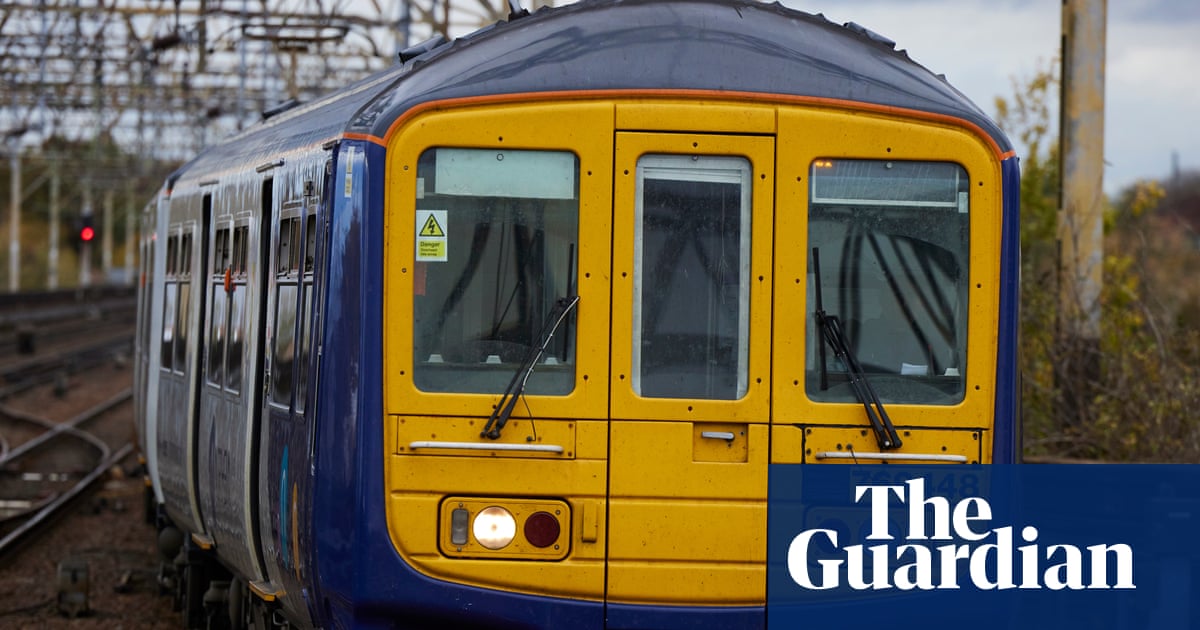
Train drivers in Great Britain are considering strike action after unions said operators have failed to deliver adequate toilets and shorter maximum driving times without a break. Aslef put the industry on notice a year after companies pledged improvements, warning that basic welfare needs remain unmet and drivers' health is at risk.
Key Takeaways
- Aslef says train firms still have not fixed toilet access a year after pledging change.
- A welfare charter caps time without a toilet break at four hours.
- The ORR says progress has been uneven and industry momentum has slowed.
- Drivers report using bottles or cabs when facilities are unreachable.
- The Department for Transport says operators must provide suitable staff toilets.
Why are drivers threatening strike action now?
Aslef says train companies failed to deliver adequate toilets and to cut the longest spells behind the controls without a toilet break. General secretary Dave Calfe said the union needs "action, not broken promises," and that members' health "is not a price we are prepared to pay for the inaction of the industry."
The union is "putting the industry on notice." Coverage of the same warning says Aslef is not ruling out industrial action if progress does not come, and that companies and Network Rail pledged improvements a year ago.
For wider workplace-rights reporting beyond the rails, see BlasterPost's True Crime & Unsolved Mysteries hub.
What did regulators and the charter require?
Unions believed they had a breakthrough last summer when operators signed a welfare charter set out by the rail safety board. It calls for "safe, clean, accessible and dignified" toilets and a maximum of four hours in the driving seat without a chance to use one, with implementation due within 12 months.
On 29 July 2025, Richard Hines, HM chief inspector of railways at the Office of Rail and Road, wrote that "reliable welfare facilities [are] a basic requirement in any civilised society," calling gaps in facilities or time to use them "unacceptable" and a matter of "human dignity, health, safety and respect."
In the ORR's annual report published this month, the regulator said that despite strong early commitment, "progress has been uneven and industry momentum has slowed," with barriers around coordination, shared access and consistent delivery. According to The Guardian, Calfe said drivers are still "paying with their health for industry inaction" a year after companies promised to act.
How serious are the toilet and health problems?
A 2024 Aslef survey found many drivers could not reach working toilets and that some resorted to bottles or using the cab. The union said the issue became a health and safety problem, with drivers dehydrating themselves to avoid needing a break—putting passengers and staff at risk.
Aslef's Dignity For Drivers report argued that going no longer than four hours without agreed toilet access would help ease and prevent conditions including deep vein thrombosis, bladder issues, prostate cancer and colorectal cancer. Female drivers are said to be particularly affected, and the situation a deterrent to recruiting more women into the cab.
A Department for Transport spokesperson said operators are "legally required to provide suitable toilet facilities for their staff," and that such welfare issues will be considered as the industry moves towards Great British Railways. Unite has raised similar toilet shortages for bus and lorry drivers, citing bottles, dehydration in hot weather and health risks.