A tougher extracellular matrix strengthens tendons in rats
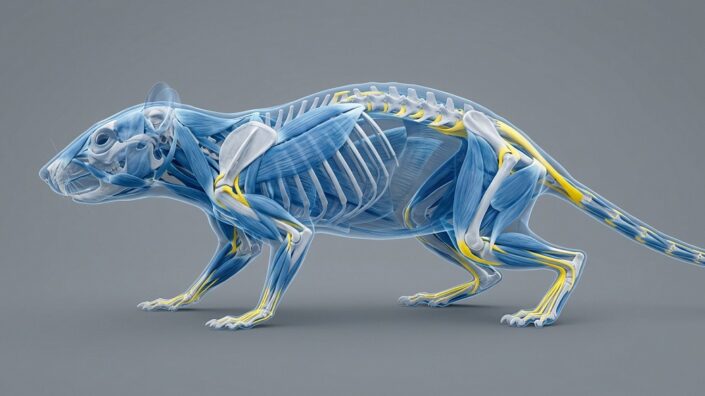
Researchers found that a tougher extracellular matrix strengthens tendons in rats when Creb3l1—a transcription factor regulating collagen and SPARC—is boosted. Lentivirus injections improved tendon elasticity and strength in males and promoted proper healing tissue at injury sites in both sexes after three weeks, suggesting a path toward treating age-related tendon weakness.
Tendon injuries remain a serious problem for older adults. Rotator cuff and biceps tears strike aging populations more often than younger people, and forearm injury recovery tends to be slower with reduced finger range of motion. Even when an aged tendon can bear similar force to a young one, it often heals more slowly.
Key Takeaways
- Expression of extracellular matrix genes Col1a1 and Sparc declines with age in rat tendons, alongside the regulator Creb3l1.
- Boosting Creb3l1 via lentivirus increased matrix protein expression and reduced cellular senescence in tendon cells.
- Living rat injections improved tendon strength and elasticity in males and promoted tendinous healing tissue over granulous scar tissue in both sexes.
- Male and female rats showed opposite aging patterns in tendon weight, stiffness, and cell composition.
- Human translation remains uncertain; rat biomechanics differ from people, and sex differences need further study.
Why do tendon injuries disproportionately affect older adults?
Previous research shows tendon stem and progenitor cells change with age, affecting motility, cellular structure, and self-renewal. Elastin organization also declines. A population analysis in the new study found work-related tendon injuries decreased globally between 1990 and 2021 as industrial development shifted, yet older people remain at elevated risk despite less heavy lifting.
Explanted mouse tendon studies confirm aged tissue handles stress deprivation poorly and responds differently to strain. These findings align with clinical observations that aging slows repair even when baseline tendon strength appears intact.
How do male and female rat tendons age differently?
Researchers compared tendons from eight-week-old and 18-month-old male and female rats after 100 stretch cycles mimicking normal mechanical load. In males, tendon weight and tensile strength rose significantly with age. In females, tensile strength, stiffness, and the force needed to create a 2-millimeter gap all weakened.
Cell populations shifted in sex-specific ways. Female rats gained epithelial and immune cells while losing fibroblasts and stromal cells. Male rats also gained immune cells, but fibroblast proportions increased while epithelial and stromal cells declined.
Can a tougher extracellular matrix strengthen and heal tendons?
In both sexes, expression of Col1a1 and Sparc—extracellular matrix genes—fell with age, as did Creb3l1, which binds directly to their promoters. Transfecting rat tendon cells with a Creb3l1-boosting lentivirus raised both matrix genes; silencing Creb3l1 increased cellular senescence.
When injected into living rats, the treatment significantly increased tendon elasticity and strength in males after three weeks. Both sexes showed better healing at injury sites, with tendinous tissue replacing the granulous tissue seen in controls. For more on regenerative aging research, see our Longevity & Biohacking coverage.
What does this mean for future human treatments?
Rat tendons face different biomechanical stresses than human ones, and explanted tissue cannot fully substitute for clinical trials. Still, the study highlights sex differences worth investigating in people and suggests targeting extracellular matrix regulators like Creb3l1 could encourage proper tendon repair. Further work is needed to develop a viable therapy and test whether it could reduce strains and sprains in older adults.
The findings were reported by the Lifespan Research Institute, which noted that encouraging matrix protein production may offer a path toward reducing age-related tendon vulnerability.