Toronto's World Cup party brought joy, not economic gain
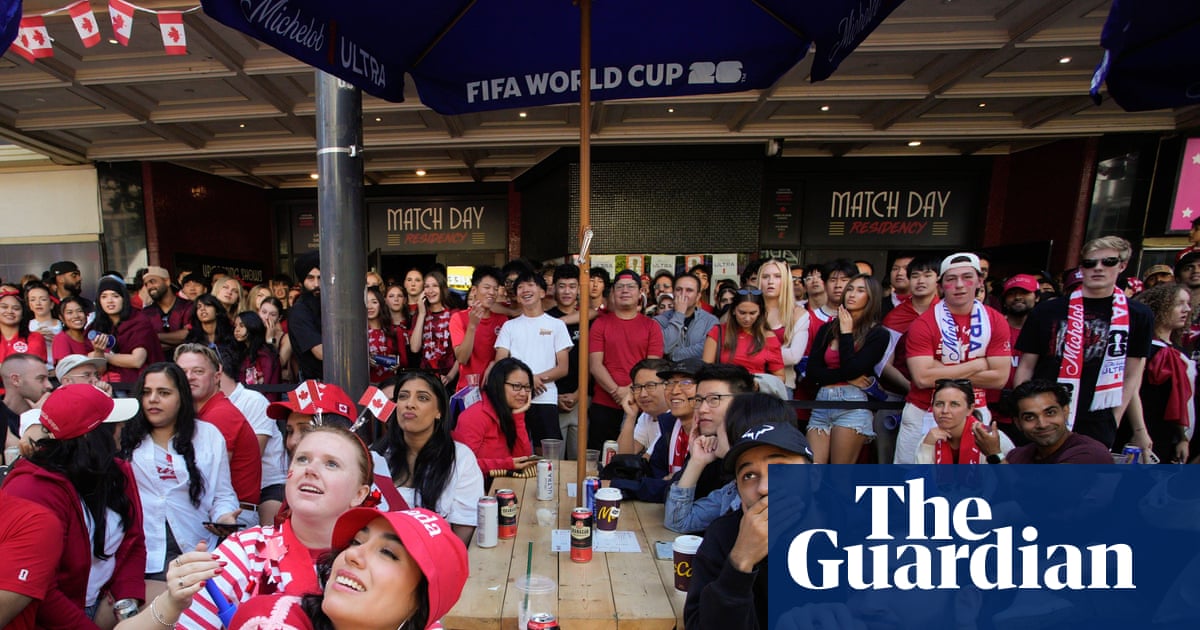
Canada co-hosted the 2026 World Cup, but in Toronto the real winner was FIFA—not local taxpayers. The city spent an estimated $380 million on six matches and saw bar and restaurant spending rise just 3% in the first two weeks, while Portugal's arrival—not Canada's knockout run—dominated the streets.
As Toronto wrapped its official hosting duties in early July 2026, three narratives collided: patriotic pride for Les Rouges, euphoric diaspora celebrations, and sobering receipts showing the tournament was less economic engine than expensive civic spectacle.
Key Takeaways
- Toronto taxpayers spent roughly $380 million to host six World Cup matches, part of an estimated $1.066 billion Canadian hosting bill cited by the Parliamentary Budget Office.
- Moneris payment data from June 12–26 showed Toronto bar and restaurant spending up just 3% year over year, with hotel occupancy at 72% versus 88% in 2025.
- The Guardian reported Canada was a "junior partner" co-host whose knockout exit in Houston played second fiddle to Portugal fan chaos on Toronto streets.
- The Toronto Star editorial board argued the spectacle delivered intangible value—community joy and diaspora pride—that spreadsheets alone cannot capture.
- Former Toronto mayor David Miller called mega-events "fabulous for the city" while warning FIFA ensures hosts bear nearly every cost.
Why did Toronto spend $380 million for so little measurable gain?
According to CBC News, data from payment processor Moneris covering Toronto's first two World Cup weeks painted a muted picture. Debit and credit spending at restaurants and bars rose just 3% compared with the same period in 2025, even as international visitors spent 34% more in those venues.
Hotels told a similar story. The Greater Toronto Hotel Association reported 72% occupancy during the opening week—down from 88% a year earlier. Overall spending gains lagged behind the Taylor Swift Eras Tour bump Toronto saw in late 2024, when restaurant spending jumped 12% and hotel card spending rose 16%.
University of Toronto urban planning professor Tyeshia Redden told CBC the model is "stacked in the dealer's favour," with FIFA capturing commercial upside while cities absorb security, infrastructure, and disruption costs. Montreal, she noted, crunched the numbers and declined to host.
Who actually owned the World Cup party on Toronto's streets?
Reporting from The Guardian's Eoin O'Callaghan in Toronto captured the tension. Canada was co-hosting the tournament, yet its round-of-16 loss to Morocco was played in Houston—not Toronto. At the Wheatsheaf, Canada's oldest bar, fans gathered anyway, but the mood turned quiet after Morocco's goals.
The week's loudest soccer story was Portugal. Hundreds of fans stopped highway traffic to glimpse the team bus; crowds camped outside Cristiano Ronaldo's hotel as media tracked his family's restaurant orders. When Egypt celebrated in Vancouver or Portugal fans flooded Toronto before the Croatia match, the outpouring dwarfed Canada's own moments of joy.
"The country has been a junior partner in this World Cup," The Guardian concluded. "Canada's name is above the door but they haven't got the juiciest cases, despite a serious level of investment."
Was the World Cup worth it for Toronto residents?
The Toronto Star editorial board acknowledged the "astronomical costs, the gouging, the cynicism of FIFA." Still, after six games and fan zones filled with "multicoloured joy," it argued the weeks delivered a tonic beyond the balance sheet—especially for a city built on diaspora pride.
Portugal manager Roberto Martinez, closing out Toronto Stadium play with a 2-1 win over Croatia, said it was "a shame there are no more games here." Croatian coach Zlatko Dalic praised a "wonderful atmosphere" where football was "connecting people."
David Miller, who helped bring the tournament to Toronto, told CBC you "can't justify it financially," which is why cities must negotiate harder with FIFA. Yet he also credited the event with creating "tremendous community, excitement and joy"—a public-health-adjacent dividend that echoes why researchers tie social connection to longer, healthier lives, a thread we follow in our Longevity & Biohacking coverage.
Canada's men exited in Houston, but Toronto's World Cup story is still being tallied—between Moneris receipts, dismantled stadium seating, and the question of what comes next for Canadian soccer.