Tornado warning Virginia Beach: DMV storm alerts expire
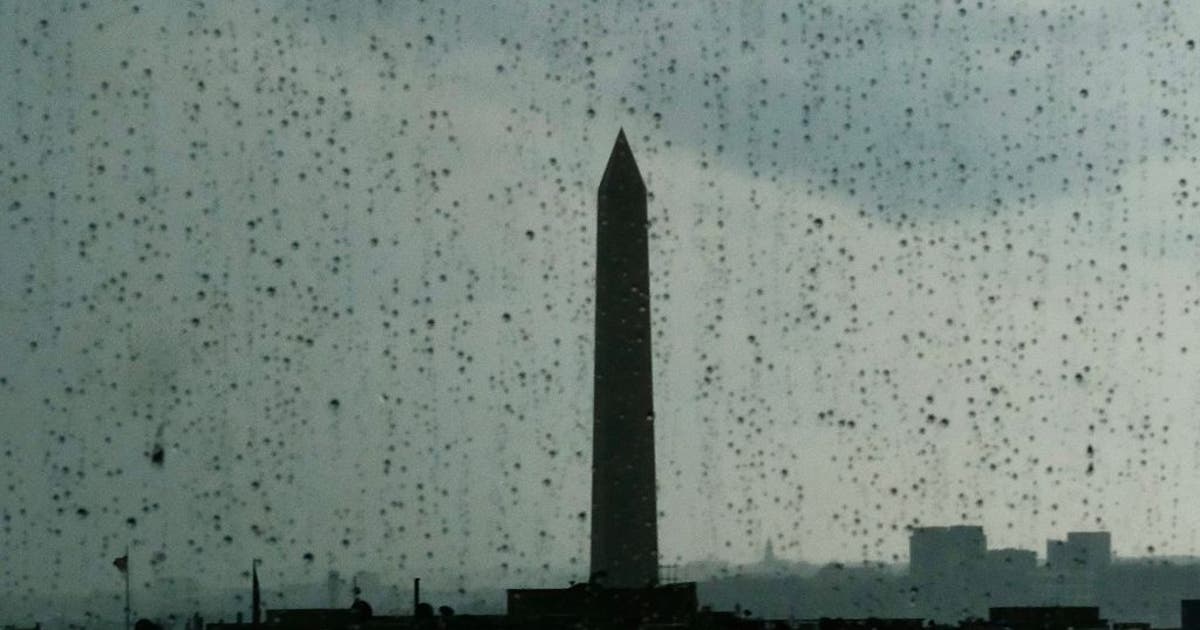
A tornado warning Virginia Beach-area readers often monitor alongside Hampton Roads alerts has expired for nearby Isle of Wight and Surry counties, while D.C.-region tornado watches and Northern Virginia warnings also wound down Tuesday evening after severe storms brought flooding, downed trees, and hail. Meteorologists say the immediate tornado threat eased, though damaging thunderstorms remained possible into the night.
Key Takeaways
- A tornado watch covered the DMV through 9 p.m. Tuesday as storms produced flooding and downed trees across the D.C. region, per FOX 5 DC.
- Tornado warnings expired for parts of Northern Virginia, Spotsylvania County, and Anne Arundel County, along with Isle of Wight and Surry counties near Hampton Roads.
- The National Weather Service cancelled a tornado warning for parts of Fauquier, Rappahannock, and Warren counties after the threat diminished.
- A Severe Thunderstorm Watch remained in effect until 10 p.m. Tuesday for portions of northwestern Virginia, with hail, wind, lightning, and flooding risks.
- Storm damage reports included a collapsed gas-station awning in Northwest D.C., a tree through a Montgomery County home, and hail with downed trees in Montgomery County.
What happened across the DMV on Tuesday?
Severe thunderstorms moved through the Washington metropolitan area Tuesday evening, bringing flooding, downed trees, and hail. FOX 5 DC reported the entire region was under a tornado watch through 9 p.m.
Impacts stacked up quickly. A gas station awning collapsed during storms in Northwest D.C., and severe weather sent a tree crashing through a Montgomery County home. Trees were down and hail was reported in Montgomery County. Flash flood and severe thunderstorm warnings later expired in D.C., while area airports faced ground stops and a Nationals game was delayed.
Earlier Tuesday, the National Weather Service issued a Hazardous Weather Outlook for the I-95 corridor through central Maryland, Northern Virginia, and the District of Columbia. That outlook covered Arlington, Alexandria, Falls Church, Fairfax County, Prince William County, Manassas, Manassas Park, Stafford County, Spotsylvania County, and King George County.
Which tornado warnings have already expired?
Multiple short-fuse tornado warnings were cancelled as radar and storm reports showed the threat easing. According to FOX 5 DC live updates, a tornado warning for parts of Northern Virginia expired at 6:15 p.m., with separate expirations for Spotsylvania County and Anne Arundel County.
WAVY.com reported that a tornado warning for parts of Isle of Wight and Surry counties—close to the Virginia Beach and broader Hampton Roads viewing area—also expired. Patch reported the National Weather Service cancelled a tornado warning that had covered parts of Fauquier, Rappahannock, and Warren counties, including an alert that had been in effect until 5:30 p.m. for southwestern Rappahannock County.
Anyone still searching “tornado warning Virginia Beach” should treat those Hampton Roads county alerts as expired unless a new National Weather Service warning is issued for their exact location.
Does a severe storm threat still remain tonight?
Yes, for some areas. Patch reported that after the central Virginia tornado warning ended, the storm could still produce large hail and damaging wind gusts, and a Severe Thunderstorm Warning remained for the affected area. A Severe Thunderstorm Watch stayed in effect until 10 p.m. Tuesday for portions of northwestern Virginia.
Forecasters said evening storms could bring damaging wind gusts, large hail, frequent lightning, heavy rainfall capable of localized flooding, and isolated tornadoes. In northeastern Maryland, a Flood Watch remained through late Tuesday evening.
How should residents stay prepared as storms move on?
Keep multiple alert sources active—wireless emergency alerts, a weather radio, and local radar—and move to an interior room on the lowest floor if a new tornado warning is issued for your county. Report damage or funnel clouds to local law enforcement so they can relay information to the National Weather Service.
Severe-weather stress can disrupt sleep and recovery routines; practical readiness tips sit alongside our wider resilience coverage in the Longevity & Biohacking section. Conditions can change quickly, so verify the latest county-level warning before travel or outdoor plans.