Three England stars debate Tuchel's Argentina tactics
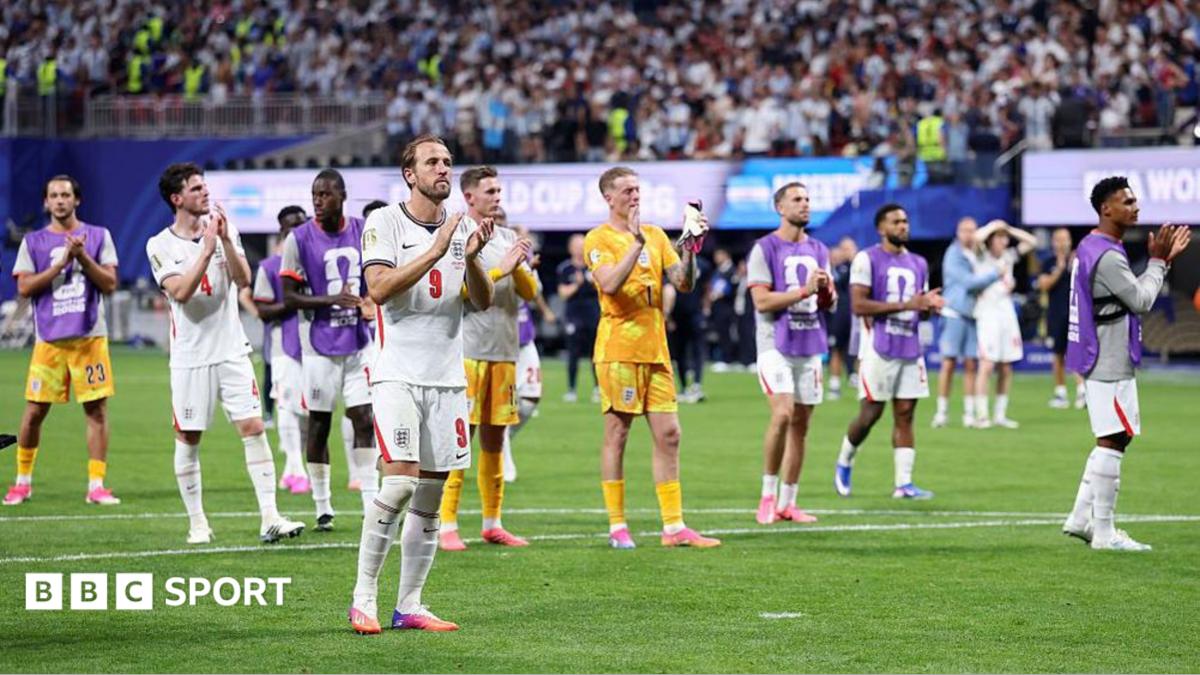
At least three senior England players have privately criticised Thomas Tuchel's late-game approach after Argentina's 2-1 World Cup semi-final comeback. Sources told the BBC the squad is debating whether his defensive substitutions deepened a costly retreat that allowed Lionel Messi to decide the contest.
Key Takeaways
- BBC Sport says at least three senior players complained privately about England's closing approach in the 2-1 semi-final loss to Argentina.
- Tuchel switched toward a back five after Anthony Gordon's goal; some players felt the changes worsened a passive retreat.
- Tuchel argued possession dropped sharply and blamed a weakness in English football "DNA" versus Spain, Argentina or Brazil.
- The Guardian noted England largely contained Messi until a late right-flank shift unlocked decisive crosses and assists.
England's World Cup dream ended in Atlanta after a late Argentina turnaround, and the inquest has moved inside the dressing room. According to BBC Sport, the defensive retreat that followed Gordon's lead has become the main talking point among Thomas Tuchel's players as well as the public.
For readers tracking how elite teams rethink high-stakes decision-making, related coverage sits in our Future Tech & AI Wonders section.
What did three senior England players say about Tuchel's tactics?
BBC Sport reported it is aware of at least three senior players who complained privately about how England approached the closing stages. A clutch of key players were said to be disappointed with the final phases of the match.
There is also believed to be a consensus among certain players that Tuchel's tactical switches and substitutions exacerbated the defensive retreat. Some recognised the side clearing lines and regrouping in defence, but did not agree with that tactic.
Why did Tuchel change shape after England took the lead?
With England ahead, Tuchel moved toward a back five, including withdrawing goalscorer Anthony Gordon for Ezri Konsa and later making further defensive reinforcements. He told British newspapers the momentum swung after the goal, with possession and chances dropping dramatically.
"We got too passive within our structure," Tuchel said. He argued the back five was meant to make England more active and quicker out to the wingers, not more passive, but the team "struggled" and "couldn't find any duels any more," dropping deeper than planned.
Sky News reported he also framed the collapse as a deeper cultural issue, saying ball possession "plays a crucial role" and that controlling the game with the ball "is maybe not in our DNA" like it is in Spanish, Argentinian or Brazilian football.
How did Lionel Messi break England's control?
The Guardian's analysis said England appeared to have Messi under control for much of the contest, limiting his involvement in dangerous areas after Gordon scored. The decisive, subtle shift came when Messi operated on the right flank between the box and touchline.
From that zone he attempted a high volume of second-half open-play crosses and helped create the late chances that overturned the lead. England's deeper, more compact shape invited the very spaces Messi exploited as Argentina pressed with greater risk and rhythm.
The result leaves a blunt question for England's next cycle: whether the problem was one night of substitutions, or a lasting habit of surrendering control when the biggest prize is within reach.