Thomas Paine is Philadelphia's most influential forgotten founder
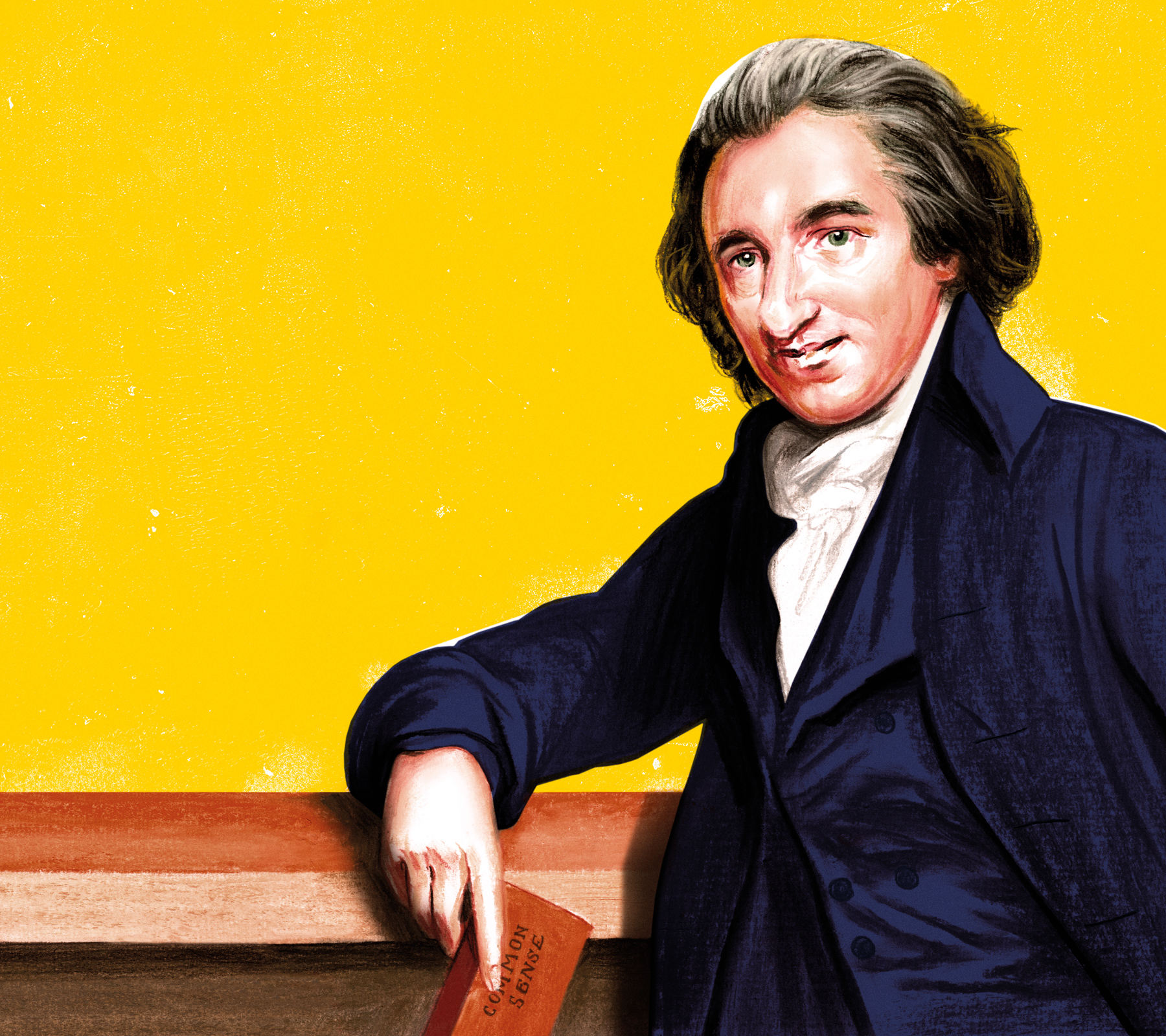
Thomas Paine may be Philadelphia's most overlooked founder, yet his 1776 pamphlet Common Sense turned colonial talk of tax reform into a mass call for independence. Published anonymously at Robert Bell's print shop near 3rd Street, it sold roughly 120,000 copies in three months and reframed rebellion as a common-sense break from monarchy.
Philadelphia Magazine now argues that Paine is "the most impactful, influential Philadelphian who ever lived"—a bold claim in a city packed with founding-era giants. Yet stand on Society Hill today and you will find little besides a modest historical marker crediting the printer almost as much as the author. For a man whose words arguably made America's 250th birthday possible, the hometown tribute feels bizarrely thin.
Key Takeaways
- Paine arrived in Philadelphia in late 1774 and published Common Sense in January 1776, shifting public opinion from reconciliation to independence.
- The pamphlet sold about 120,000 copies in its first three months and was read aloud in taverns across the colonies.
- Paine championed democracy, opposed slavery, and proposed ideas like universal suffrage decades before they became mainstream.
- His later writings on religion collapsed his U.S. reputation; only six people attended his 1809 funeral.
- Historians and local talks in 2026 are revisiting his "strange career" as America marks 250 years of independence.
Why does Philadelphia barely celebrate Thomas Paine today?
Despite Thomas Paine Plaza outside City Hall and a cast-aluminum marker on 3rd Street, Philadelphia Magazine reports that Paine's name is largely absent from recent public renovations. The historical sign near Zahav credits printer Robert Bell with publishing Common Sense in nearly equal measure to Paine himself.
The author suggests Paine was always too radical for easy monument-making. He opposed the ratified U.S. Constitution as insufficiently democratic and spent his career siding with common people over elites. In a city that celebrates Franklin and Jefferson at every turn, the immigrant pamphleteer who had no army and no fortune remains easy to forget.
What made 'Common Sense' so dangerous to the British crown?
Before January 10, 1776, most colonists still hoped to fix their relationship with Parliament and King George III. Zócalo Public Square notes that Paine's anonymous pamphlet reframed the dispute entirely—asking not how the king should rule, but why kings should rule at all.
Written in plain language for ordinary readers rather than classical scholars, Common Sense spread through 25 editions and roughly 150,000 sales in a population of 2.5 million. Paine argued that reconciliation was impossible and that power belonged with elected representatives, not hereditary monarchs. Within months, dozens of towns and colonies adopted their own declarations of independence.
How did Paine's 'strange career' end in obscurity?
The arc from revolutionary hero to social outcast is one of history's stranger founder stories—the kind that fits alongside other head-scratching tales in our Bizarre News & Florida Man coverage. Dr. Patrick Callaway's June 25, 2026 talk at Maine's Jesup Memorial Library traced Paine's path through the French Revolution, imprisonment during the Reign of Terror, and the backlash to The Age of Reason.
Paine returned to America in 1802 largely forgotten. His 1809 funeral drew just six mourners. Philadelphia Magazine and Callaway both note the irony: the writer who gave millions common language for liberty spent his final years mocked in the press and shunned by former allies. Yet his 1806 letter to Philadelphia's mayor expressed no bitterness—only pride in rescuing "man from tyranny and false systems."
For deeper reading on Paine's Philadelphia years, see the full Philadelphia Magazine feature. Two and a half centuries after Common Sense, America is still arguing over who gets credit—and who gets remembered.