Thames Water hosepipe ban row: who’s to blame and what to do
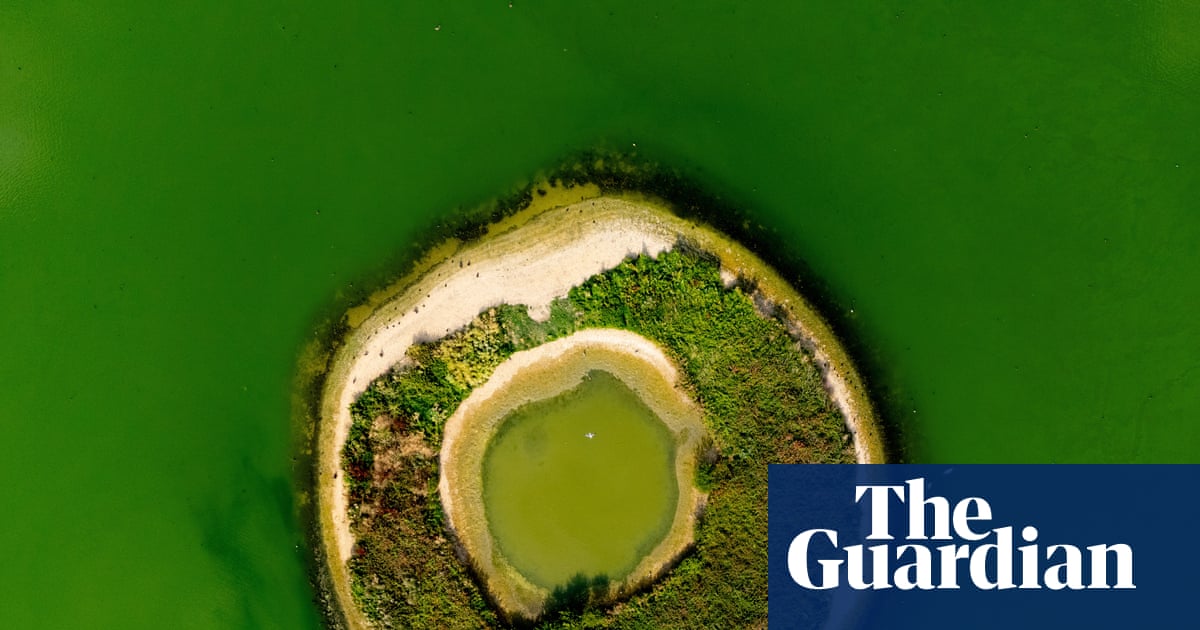
The thames water hosepipe ban debate is less about garden etiquette and more about trust in the UK’s water system. Letters in The Guardian argue climate pressure is real but not the whole story, saying years of underinvestment, leaks and weak enforcement have made restrictions more frequent and more politically charged.
The practical impact is immediate for households: what you can water, whether you should challenge neighbors, and who is actually responsible for recurring summer restrictions. For more coverage in this lane, see our Streaming & TV Alerts hub.
Key Takeaways
- Guardian letters place major blame on privatized water firms, not climate alone, for repeated hosepipe bans.
- Country Living says breaches of a Temporary Use Ban can be reported to the local water supplier, not police.
- Maximum penalties can reach £1,000, but suppliers often start with warnings and guidance.
- Not every hose use is illegal: exemptions and non-mains water can apply, depending on supplier rules.
Why are people blaming water firms instead of only the weather?
In letters published by The Guardian, several writers argue that drought and heat are only part of the explanation. Their core claim is that privatized companies have failed to maintain infrastructure well enough, especially with long-running leakage issues.
Those letters also criticize high executive pay, dividend extraction and what contributors describe as weak regulatory bite. One writer even calls for major taxation on shareholders to fund new reservoirs and pipe replacement, arguing bills are rising while resilience is not improving fast enough.
What are the actual hosepipe ban rules for households?
Country Living’s explainer says a hosepipe ban is officially a Temporary Use Ban under the Water Industry Act framework. If someone appears to be breaking it, reports should go to the drinking-water supplier for that address, not local councils or emergency services.
The same guide says potential penalties can rise to a £1,000 fine if a case escalates to prosecution and conviction. But it also stresses that many companies begin with reminder messages and advice before tougher action.
Most importantly, restrictions vary by supplier. A hose in use is not automatic proof of a breach: people may be using non-mains water, operating under disability or welfare exemptions, or working within other specific allowances listed in local legal notices.
Should you report a neighbor, or talk first?
Country Living cites Water UK guidance that a polite, factual conversation can be the best first step when safe and appropriate. A calm question may reveal an allowed use, such as stored rainwater, and can prevent unnecessary conflict.
If concern remains, the recommended process is to verify that a ban applies at that address, check that supplier’s exact restrictions, then submit only factual observations through official reporting channels.
Why does this matter beyond one summer ban?
This is now a broader public-trust issue. When people feel household sacrifices are demanded while company behavior appears unchanged, compliance gets harder and anger gets louder.
That tension is visible across commentary, including a Telegraph opinion headline about defying Thames Water’s ban. Even without full article access, the headline itself reflects a mood shift: for some customers, enforcement questions are becoming legitimacy questions.
Bottom line: consumers still need clear rules and fair application, but the political heat around hosepipe bans will keep rising unless infrastructure performance visibly improves.