Why Thailand is probing negligence after a deadly Bangkok pub fire
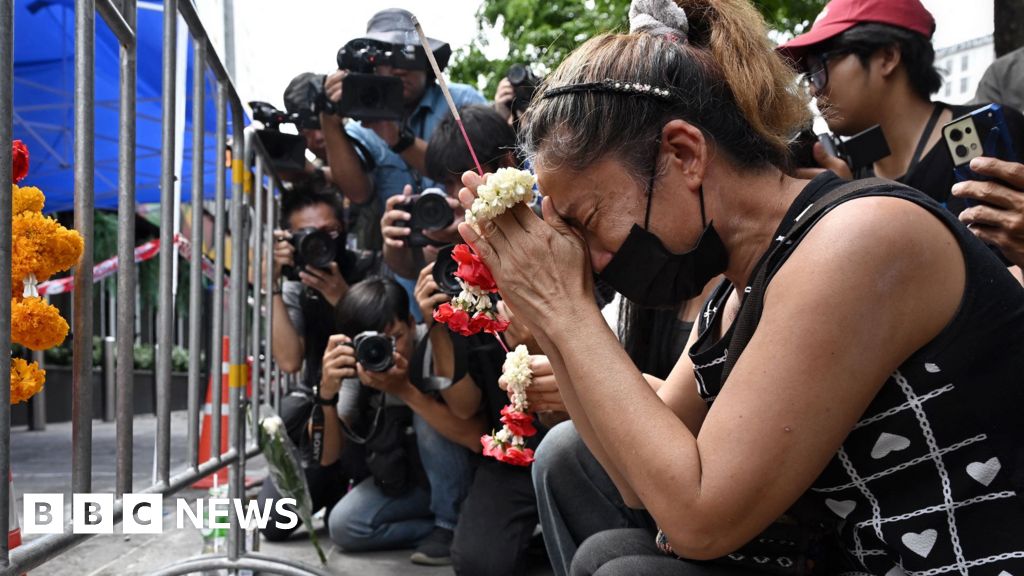
Thai authorities are investigating possible negligence after a fire at the Rong Beer Na Lat Phrao pub in Bangkok killed at least 30 people and injured dozens late on Sunday, July 12, 2026, amid evidence of blocked exits, flammable ceiling foam, and licensing gaps that let the live-music venue operate under lighter restaurant rules. Police, fire experts, and Bangkok city officials say the blaze may have started with an electrical short circuit in a ceiling air conditioner before toxic smoke and blocked escape routes turned the crowded pub into a death trap within minutes.
Key Takeaways
- At least 30 people died and about 75 were injured after a fire tore through the Rong Beer Na Lat Phrao pub in Bangkok's Chatuchak district late on Sunday, July 12, 2026.
- Investigators are examining blocked or locked rear exits, non-fire-retardant foam and plastic decor, and whether the venue skirted stricter entertainment-venue safety rules.
- Experts say many victims likely died from toxic smoke before flames reached them, a pattern seen in deadly bar and nightclub fires worldwide.
- Bangkok's governor has ordered tighter inspections and a regulatory review, raising compliance costs and liability exposure for pub and hospitality operators.
- For owners treating nightlife venues as passive-income assets, the probe is a reminder that cutting corners on safety can destroy both lives and long-term wealth.
What happened at the Bangkok pub on Sunday night?
The fire broke out at Rong Beer Na Lat Phrao, a popular live-music pub in northern Bangkok, shortly before 11pm on Sunday, according to Thai officials cited by the BBC. Firefighters took about half an hour to bring the blaze under control.
By Tuesday, the confirmed death toll had climbed to 30, with roughly 75 people injured and 24 still in critical condition, Reuters and other outlets reported. First responders found many victims in restrooms at the back of the pub, where experts believe patrons tried to flee after power failed and visibility collapsed.
Preliminary investigations point to a short circuit in a ceiling-mounted air conditioner near the stage. Survivors described the stage engulfed in flames within seconds. Thai indie band Thotsakan, performing when the fire started, lost two members in the tragedy.
Why are investigators focusing on blocked exits and flammable decor?
Police and fire-safety specialists say the initial spark may explain how the fire started, but not why so many people died. Royal Thai Police chief Kittharath Punpetch said the single-story pub had four exits, yet rear doors may have been blocked, locked, or unusable when patrons needed them most.
Busakorn Saensuk, a fire safety expert from the Engineering Institute of Thailand who inspected the site, told the BBC that a door near the restrooms was locked while front entrances were partially obstructed by furniture. One rear exit near the kitchen had a damaged sign and a sliding door missing its handle; another passage was narrowed by lockers and shelving.
Experts also flagged highly combustible interior materials. Busakorn noted plastic flowers on the stage and combustible foam plastered across the ceiling. Juladit Chayaniyayodhin, a fire protection specialist at the Engineering Institute of Thailand, told The New York Times that foam insulation and plastic decorations should not have been used inside the structure.
Amorn Pimanmas, president of the Thailand Structural Engineers Association, said non-fire-retardant foam produced black smoke containing carbon monoxide and cyanide. Several bodies showed little or no burning, suggesting many victims suffocated before flames reached them. Survivors also reported no working sprinklers and no emergency lighting after the blackout.
How did lax licensing rules make the pub deadlier?
Bangkok authorities confirmed the venue was registered as a restaurant with live music rather than an entertainment establishment. Under that classification, Reuters reported, it was not required to use fire-retardant materials or install the fuller fire-protection systems expected of licensed nightlife venues.
Amorn told reporters that when venues are not registered as entertainment establishments, fire protection is often incomplete, including missing smoke ventilation. The pub had passed a building safety inspection in April 2026, just three months before the fire. Investigators are now asking whether unauthorized changes were made afterward.
The pattern is painfully familiar in Thailand. A 2009 blaze at Bangkok's Santika nightclub killed at least 65 people. A 2022 fire at a Chonburi nightclub killed 13. In each case, experts cited flammable soundproofing foam and inadequate exits. Busakorn told Reuters that Thailand is still using the same laws written 30 to 40 years ago that no longer reflect current realities.
The New York Times noted that similar lapses have preceded deadly infernos in bars and clubs worldwide, including a New Year's fire at a Swiss Alpine resort that killed at least 40 people in 2026, the 2003 Station nightclub fire in Rhode Island, and disasters in Brazil. Blocked exits, combustible decor, and weak enforcement recur across borders.
What does this mean for pub and hospitality business owners?
For anyone who treats a pub, bar, or live-music venue as a cash-flow asset or passive-income play, the Bangkok investigation is a stark wealth-protection lesson. Police General Kittiratt Phanphet said the apparent safety failures indicate a lack of caution and disregard for the safety of the patrons. Negligence findings can trigger criminal charges, civil lawsuits, license revocations, and insurance denials that wipe out years of revenue.
Operators who misclassify venues to avoid stricter rules may save on upfront fit-out costs, but they inherit catastrophic tail risk. Cheap acoustic foam, decorative plastics, and cluttered exit paths can turn a single electrical fault into a total loss of human life and business value in minutes. That is not an abstract compliance issue; it is balance-sheet destruction.
Owners building hospitality portfolios should treat fire safety, clear egress, and accurate licensing as non-negotiable operating expenses, not optional overhead. The same due diligence applied to lease terms, liquor licenses, and revenue forecasts should extend to materials specifications, exit audits, and post-inspection change control. For more on protecting income streams from preventable operational shocks, see our Wealth Hacks & Passive Income coverage.
What changes is Bangkok promising after the fire?
Bangkok Governor Chadchart Sittipunt said Tuesday that the city had formed a committee to investigate what happened, what should improve, and which rules should change. He ordered a sweeping survey of similar establishments and promised more random checks.
City authorities plan to review regulations on decorative materials and the definition of entertainment establishments while police and fire experts continue their criminal and safety probes.
On Tuesday afternoon, many relatives of victims were still waiting for news about missing loved ones at Bangkok's police hospital. Officials said those killed and injured were mostly aged 25 to 40.
The probe is still underway, and no final negligence findings have been announced. But the early evidence already points to a familiar equation: a spark, flammable decor, blocked exits, and regulatory gaps. For pub owners everywhere, the cost of ignoring that pattern is measured in lives lost and businesses permanently closed.