Supreme Court lifts curb on Trump voter citizenship database
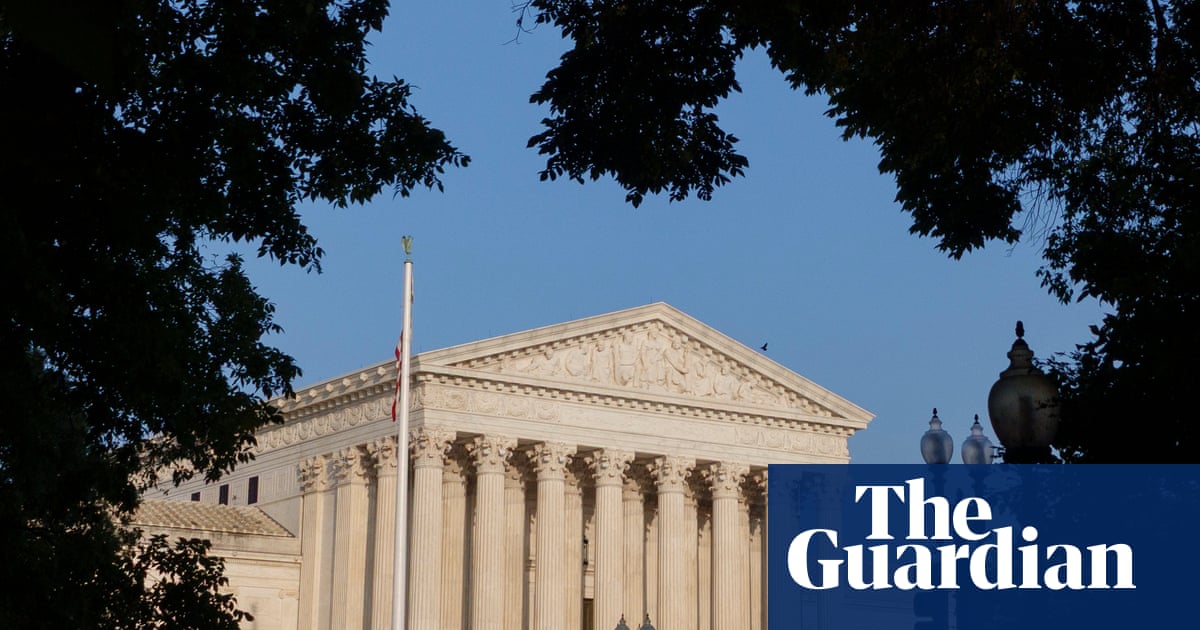
The US Supreme Court on Friday lifted a lower-court ban on the Trump administration’s expanded SAVE voter database, allowing states to check registered voters’ citizenship against federal records that include Social Security data. Officials say it targets noncitizen voting; critics warn eligible citizens could be wrongly purged.
Key Takeaways
- The Supreme Court stayed a district court order blocking use of the expanded SAVE database for citizenship checks of registered voters.
- An unsigned majority said the government was likely to prevail and that equities favored a stay before the midterms.
- Justice Ketanji Brown Jackson dissented, arguing harms to lawful voters outweigh the government’s claimed interest.
- The National Voter Registration Act’s 90-day rule may limit systematic list maintenance before November 2026.
What did the Supreme Court decide?
On Friday, the justices granted the Trump administration’s request to block a federal judge’s order that had stopped state officials from using Social Security numbers and other federal data to run sweeping citizenship checks of registered voters. The court’s conservative majority, in an unsigned opinion, wrote that the district court’s order “inhibits the Federal Government’s efforts to assist state and local agencies in the proper administration of the midterm elections,” and that “the equities weigh in favor of a stay.”
According to The Guardian, the White House and officials say the expanded database aims to combat noncitizen voting. Critics argue it could disenfranchise eligible voters instead. Related coverage also appears in our Fintech & Crypto Alerts hub.
Why is the SAVE database so controversial?
The Systematic Alien Verification for Entitlements (SAVE) system, run by the Department of Homeland Security, was created in 1986 to verify citizenship for government benefits. After an executive order in March 2025, the administration expanded it to include data on native-born Americans, Social Security numbers, and bulk search tools that states can use against voter rolls.
Mother Jones reports that SAVE has a documented history of false positives. In St. Louis County, Missouri, a SAVE run flagged 691 voters as noncitizens; after further checks, the list fell to 133—meaning at least 81 percent of those flags were incorrect. County clerks in Missouri have warned that the system repeatedly flags people known to be U.S. citizens, including voters registered at naturalization ceremonies.
In June, U.S. District Judge Sparkle Sooknanan blocked the expanded use after a suit by the League of Women Voters and the Electronic Privacy Information Center, writing that the government had “knowingly trampled on the privacy rights of American citizens.” An appeals court upheld that ruling before the Supreme Court intervened.
Will this change who can vote in the midterms?
Justice Jackson, dissenting for the court’s three Democratic appointees, said the harm from burdening or disenfranchising even a few lawful voters outweighs preventing the government from taking action it “likely lacks the authority to take.” She also noted the majority did not account for documented harms, including registration revocations in Texas.
Jackson added a practical limit: the National Voter Registration Act bars systematic voter-list removals within 90 days of an election, so states are largely too late to use SAVE for broad maintenance before November 2026. Still, individualized checks may continue, and the ruling clears the way for wider federal-state use of the database going forward.