Russia's Su-57 spotted over Omsk but failed to stop strike
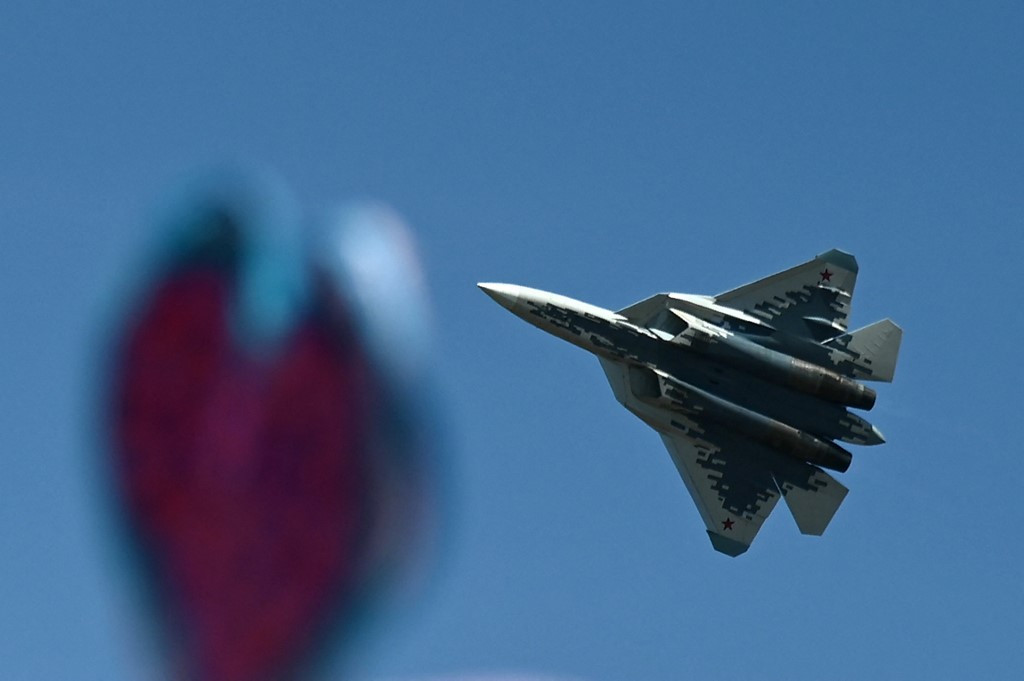
Russia scrambled Su-57 fighters over Omsk on July 6, 2026, trying to intercept Ukrainian long-range drones during an attack on the Gazpromneft-ONPZ refinery — Russia's largest — but the facility was hit anyway. Local footage and monitoring channels reported the jets downed only one drone while others reached their targets, raising questions about Moscow's newest jet in an anti-drone role. The su57 omsk drone strike marks the first confirmed combat use of the Felon in an air-defense mission against Ukrainian UAVs.
Key Takeaways
- Russian Aerospace Forces deployed Su-57 fighters over Omsk during Ukraine's July 6 deep strike, yet the refinery was still hit and operations were halted.
- Footage shared by the Exilenova+ monitoring channel suggested the jets intercepted only one drone before others reached Gazpromneft-ONPZ.
- The aircraft appeared in an "anti-drone configuration" with external R-73 or R-74 missiles and a 101KS-N electro-optical pod, compromising stealth.
- An A-50U early-warning aircraft was also scrambled, underscoring how seriously Moscow treated the threat.
- Russia fields only about 20 to 30 Su-57s, and the type has twice been struck on the ground during the war.
What Happened During the Su-57 Omsk Drone Strike?
On July 6, 2026, Ukrainian long-range drones targeted the Omsk oil refinery roughly 2,500 to 3,000 kilometers from Ukraine's border — among Kyiv's deepest strikes into Russian territory to date. According to Kyiv Post, Russia's Aerospace Forces sent Su-57 stealth fighters to intercept the incoming UAVs as locals filmed silhouettes of the jets screaming overhead.
The Ukrainian monitoring channel Exilenova+ reported that the Su-57s managed to down only one drone while the rest reached their targets. Despite the scramble, drones successfully struck the Gazpromneft-ONPZ complex, Russia's largest refinery, which processed about 22 million metric tons of crude oil in 2024. Sources cited by Reuters and Ukrainian channels confirmed that plant operations were halted, though damage assessments varied.
Why Was the Su-57 Flying in an Anti-Drone Configuration?
Days before the Omsk incident, open-source photos circulated showing a Su-57 fitted with four short-range R-73 or R-74 air-to-air missiles on external wing pylons rather than in its internal weapons bay. Defense Express, citing analysis from The War Zone, noted that carrying missiles externally compromises the jet's low radar signature but may be necessary to engage small, slow-moving targets.
The aircraft also appeared with a 101KS-N electro-optical targeting pod mounted beneath one engine. Analysts said this suite could theoretically help track and engage drones — a mission far removed from the Su-57's original fifth-generation stealth design. Mid-May propaganda claims that Russia was already using the Felon against drones had gone unconfirmed until the Omsk sighting.
What Does This Failure Mean for Russia's Most Advanced Fighter?
Russia is believed to operate only about 20 to 30 Su-57 airframes, well short of its planned delivery of 76 additional jets by 2027. Moscow has rarely risked the aircraft in combat over Ukraine, preferring to launch missiles from safer distances. The Omsk deployment suggests air defenses deep inside Russia are stretched thin as Ukraine's drone campaign targets refineries and military sites hundreds of kilometers behind the front.
The episode also highlights vulnerabilities Moscow has tried to hide. Ukraine's Unmanned Systems Forces struck two Su-57s on the ground at Shagol airfield in April 2026, following a similar attack in June 2024. For readers tracking how unmanned systems are reshaping air warfare, see more coverage in our Future Tech & AI Wonders section.
Could Fighter Jets Reliably Stop Long-Range Drone Swarms?
The Omsk incident suggests that even Russia's most advanced manned fighter struggled against a drone salvo at extreme range. Militarnyi reported that alongside the Su-57, Russia scrambled an A-50U long-range radar aircraft — yet Ukrainian UAVs still penetrated defenses and hit a facility that had been among Russia's most protected refineries.
Exilenova+ could not confirm whether the Su-57 arrived before or after impacts began, but the broader picture is clear: expensive stealth platforms configured with short-range missiles and optical pods still failed to shield a strategic target. As Ukraine expands deep-strike drone capabilities, the gap between the cost of interceptors and the cost of attackers continues to widen — a dynamic that will shape air defense planning far beyond the Omsk skyline.