Southwest flight WN4761 diverted to Charleston over fuel leak
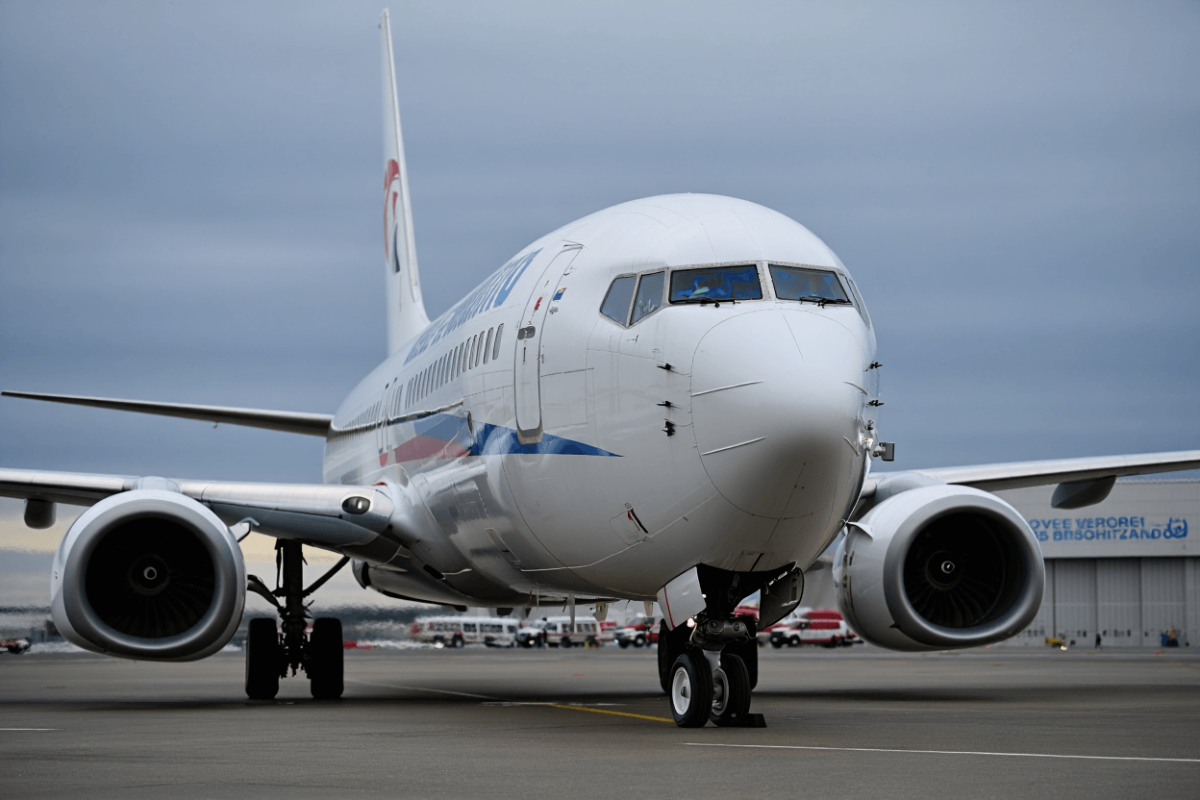
Southwest Airlines Flight WN4761 diverted to Charleston International Airport on July 20, 2026, after the flight crew reported a suspected fuel leak while cruising at 37,000 feet over South Carolina. All 137 passengers and crew landed safely on Runway 15, with no injuries reported.
The regularly scheduled service departed Orlando International Airport at 8:54 a.m. EDT bound for Manchester-Boston Regional Airport in New Hampshire. According to aviation tracking reports, the Boeing 737-800 proceeded normally for roughly one hour before pilots noticed indications of a potential fuel leak and immediately declared an airborne emergency.
Key Takeaways
- Southwest flight WN4761 diverted to Charleston after a suspected fuel leak at 37,000 feet on July 20.
- The 11-year-old Boeing 737-800 (registration N8662F) made an uneventful landing; no one was hurt.
- A replacement Boeing 737 MAX 8 carried passengers onward after a four-hour ground delay.
- The original jet remained in Charleston for a thorough maintenance inspection.
What Triggered the Emergency Diversion?
While flying over South Carolina, the crew detected signs consistent with a fuel leak—a serious condition that can affect aircraft performance and safety. Acting under standard protocols, the pilots transmitted squawk 7700, the universal transponder code for an in-flight emergency.
Air traffic control cleared the aircraft for an expedited descent and routed it toward the nearest suitable airport. Charleston International Airport offered immediate proximity along the coastal flight path, adequate runway capacity, and full emergency response capabilities on the ground.
Why Did Flight WN4761 Land in Charleston?
When pilots declare an emergency, selecting a divert field depends on distance, runway length, and available rescue services. Charleston met all three criteria as the jet crossed South Carolina at cruising altitude.
Emergency response vehicles met the aircraft upon arrival. The pilots executed a safe landing on Runway 15 without incident. Ground crews then began evaluating the 11-year-old Boeing 737-800 to determine what caused the suspected leak.
How Did Passengers Continue to Manchester?
Southwest Airlines scrambled a replacement aircraft—a newer Boeing 737 MAX 8 registered N8881L—to pick up the stranded travelers. After a four-hour delay on the tarmac in Charleston, passengers re-boarded and resumed their journey north.
The flight arrived at Manchester approximately five hours behind its original schedule. The affected 737-800 stayed behind in Charleston, where maintenance teams conducted a detailed inspection to identify the root cause before returning the jet to service.
Incidents like this underscore how modern aviation safety systems—from cockpit alerts to coordinated emergency landings—prioritize passenger welfare over schedule. For more on how technology shapes travel and transport, see our Future Tech & AI Wonders coverage. Detailed flight tracking and timeline reporting is available from AIRLIVE.