South Florida man lived decades with rare congenital heart defect
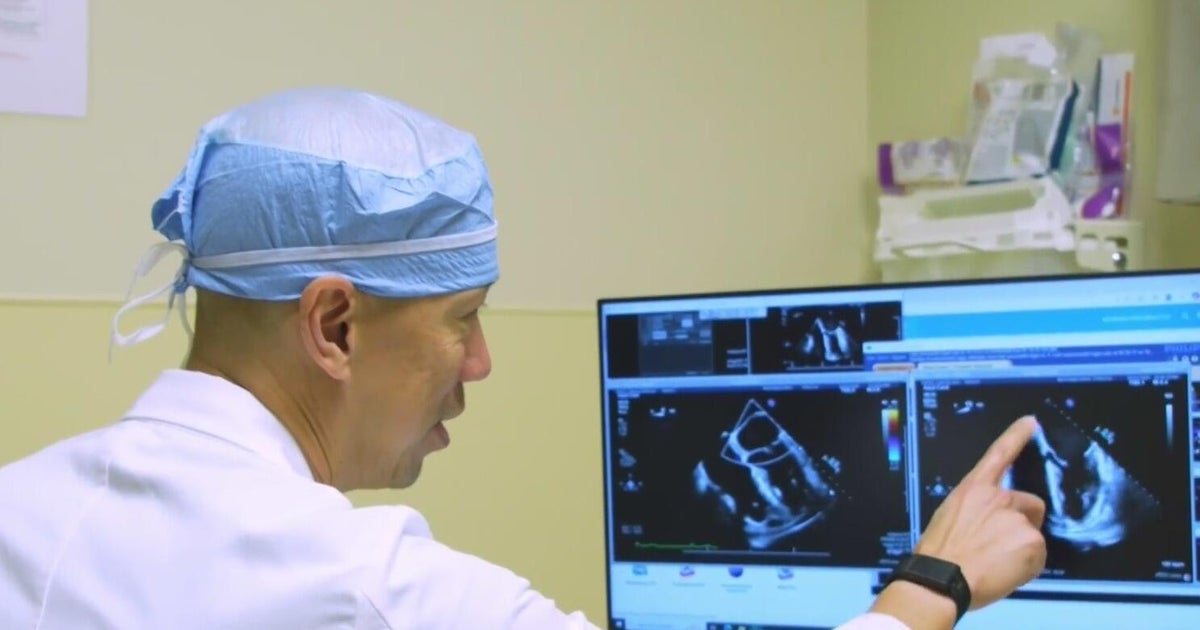
A South Florida man had a rare congenital heart defect called cor triatriatum for more than seven decades before doctors detected it. Carlos Perez learned he had a five-chambered heart after dizziness and fatigue sent him to the hospital during tests for atrial fibrillation—years after his first irregular heartbeat episode.
Key Takeaways
- Carlos Perez was born with cor triatriatum, a congenital defect that gave him a five-chambered heart instead of four.
- The condition accounts for less than 0.1% of congenital heart abnormalities and is usually found in infancy.
- Surgeons used robotic technology to remove the dividing membrane and treat his atrial fibrillation in one procedure.
- The case marked a first-of-its-kind collaboration between Baptist Health Miami Cardiac & Vascular Institute and Nicklaus Children's Hospital Heart Institute.
- Perez was discharged within a week; his symptoms included dizziness, fatigue, and very low blood pressure—not chest pain.
Most congenital heart defects are spotted shortly after birth. Carlos Perez, a South Florida resident, spent more than 70 years with no idea anything was wrong. Doctors only uncovered the problem after they began investigating an episode of atrial fibrillation several years ago, according to CBS News.
After feeling dizzy and fatigued at home, Perez went to the hospital for an evaluation. During a series of tests, physicians made an unexpected discovery that drew a crowd of clinicians into his room.
What rare heart condition did doctors find?
Perez had an extremely rare five-chambered heart. A normal heart has four chambers. In his case, a membrane divided his left atrium, effectively creating an extra chamber.
The condition is known as cor triatriatum. It accounts for less than 0.1% of all congenital heart abnormalities. Most cases are identified in infancy or childhood because the membrane restricts blood flow and causes symptoms much earlier in life.
Perez recalled the moment doctors delivered the news. "One doctor came in the room and then two doctors and then a whole audience," he said. "They said, 'We've all read about this in medical school, but we've never seen one.'"
Why did Perez go decades without knowing?
Perez had no idea he was born with a congenital heart defect until the atrial fibrillation workup began. He never experienced chest pain. His warning signs were dizziness, fatigue, and very low blood pressure—symptoms easy to dismiss or attribute to other causes.
Stories like this are why unusual medical discoveries often land in our Bizarre News & Florida Man coverage. A defect that typically surfaces in childhood stayed hidden for a lifetime before routine cardiac testing finally exposed it.
How was the rare defect treated?
Perez's doctors used robotic technology to perform a minimally invasive procedure to remove the membrane dividing his atrium. During the same operation, surgeons performed ablations to treat his atrial fibrillation and placed a clip designed to help regulate heart function.
The surgery marked a first-of-its-kind collaboration between the Baptist Health Miami Cardiac & Vascular Institute and the Nicklaus Children's Hospital Heart Institute. The partnership could help pave a new path for treating complex congenital conditions in adults.
What happens next for Perez?
Perez was discharged from the hospital within a week of the procedure. His case shows that even textbook-rare congenital defects can remain silent for decades before age-related changes force them into the open.
For South Florida patients and cardiologists alike, the takeaway is clear: an irregular heartbeat in an otherwise healthy older adult can sometimes point to a structural problem doctors have only ever studied on paper.