SMCI shares fall after Taiwan office raid in chip smuggling probe
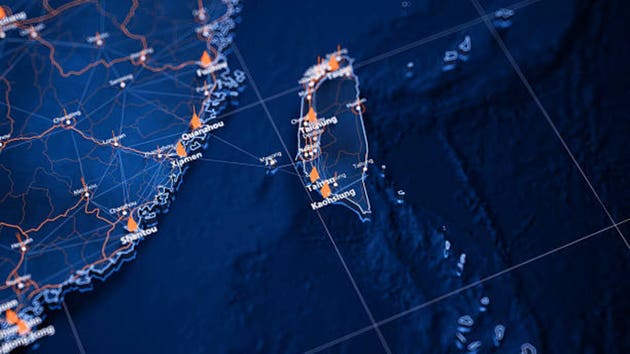
Super Micro Computer (SMCI) shares fell about 6% on Monday after Taiwanese authorities raided the server maker's Taiwan offices, widening an ongoing probe into alleged smuggling of Nvidia GPUs into China inside Supermicro server hardware, according to reports citing Bloomberg. The Keelung District Prosecutors Office also searched six residences and three affiliated companies.
The raid lands SMCI back in headlines tied to export-control enforcement, a recurring theme for investors tracking AI infrastructure stocks. For readers following Future Tech & AI Wonders, the move underscores how cross-border chip rules can move markets fast.
Key Takeaways
- Taiwanese authorities raided Supermicro's Taiwan offices on Monday as part of an expanding chip smuggling investigation.
- SMCI shares dropped roughly 6%, trading near $28.90 after touching an intraday low around $27.82.
- Prosecutors are probing alleged diversion of Nvidia GPUs to China using Supermicro servers, per Bloomberg.
- Investigators also searched six individuals' residences and three affiliated company sites.
- Supermicro itself has not been charged in related U.S. cases, though individuals tied to the firm have faced prosecution.
What happened during the Taiwan raids?
Super Micro Computer's offices in Taiwan were raided by government authorities on Monday, according to a person familiar with the situation cited by Bloomberg. The action widens an ongoing investigation into the alleged smuggling of Nvidia chips into China using the company's servers.
Taiwan's Keelung District Prosecutors Office said in a statement that local investigators raided the residences of six individuals and the sites of three affiliated companies. Prosecutors declined to name those searched, but Supermicro's Taiwan office was among the locations, the person familiar said.
Why did SMCI shares fall on the news?
Markets reacted quickly. Seeking Alpha reported that Supermicro shares dropped about 6% after the raid news broke. InvestingLive put the decline at roughly 5.7%, or $1.75, with shares trading near $28.90 and briefly dipping to about $27.82.
Investors often sell first when a company surfaces in an export-control probe, even before charges are filed. SMCI has faced scrutiny before, including U.S. DOJ and SEC accounting investigations in 2024–2025 and 2026 federal charges against individuals tied to alleged illegal AI server exports to China.
What is Taiwan investigating?
The probe centers on whether Nvidia GPUs were smuggled into China inside Supermicro server systems. Seeking Alpha summarized the allegation as Supermicro smuggling Nvidia GPUs into China within its hardware, citing Bloomberg's reporting on the Monday raids.
The Keelung District Prosecutors Office said the searches were part of an ongoing probe into allegedly illegal exports of Super Micro servers. The office did not identify those searched, but confirmed the scope included multiple residences and affiliated company sites.
Has Supermicro been charged as a company?
Based on available reporting, Supermicro has not been charged as a corporate defendant in the related U.S. export cases. InvestingLive noted that federal prosecutors in 2026 charged several individuals connected to SMCI with illegally exporting AI servers and chips to China, while the company itself was not charged.
That distinction matters for shareholders weighing legal risk versus reputational fallout. A raid on a Taiwan office does not equal a corporate indictment, but it signals investigators are still actively examining the supply chain around Supermicro-built systems.
Why does this matter beyond SMCI?
AI chip export controls have become a flashpoint across the Pacific. When Taiwan joins active enforcement, it signals tighter coordination around restricted Nvidia hardware destined for China. Server makers sit in the middle of that chain, and any raid can ripple through the broader AI infrastructure trade.
For now, the story is developing. Prosecutors have not publicly named everyone searched, and Supermicro has not issued a detailed public response in the sources reviewed. Investors will be watching whether the probe stays focused on individuals and affiliates or expands further.