Sikkim methane explosion kills 25 in hydropower tunnel
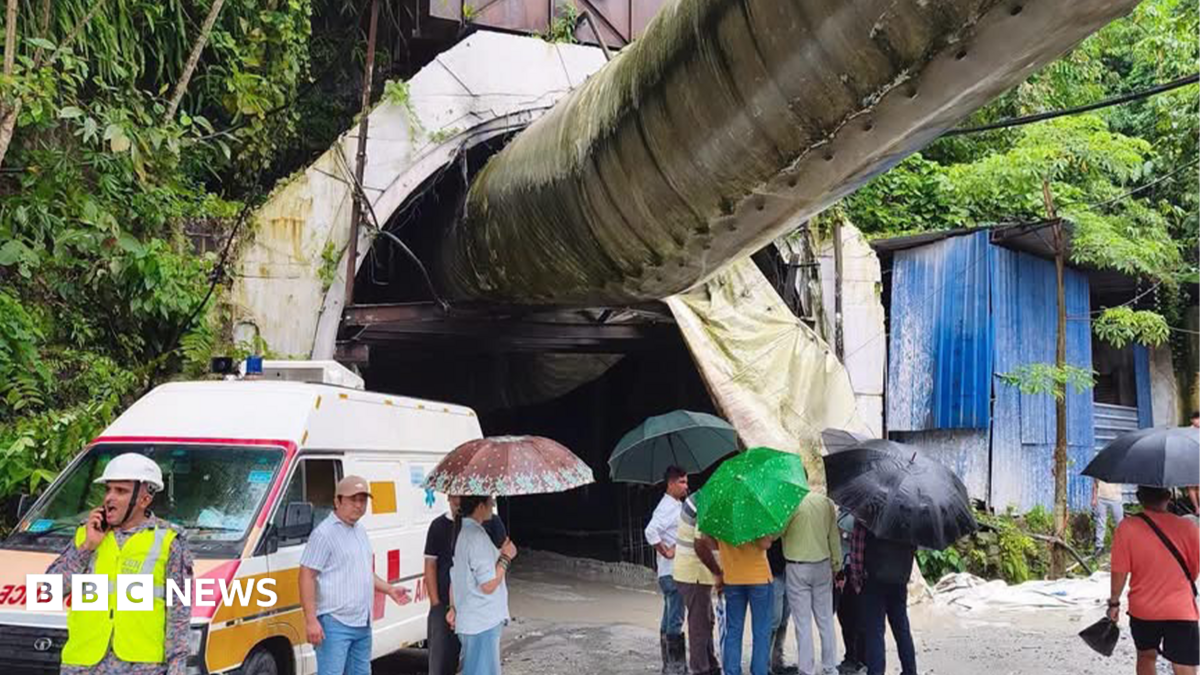
A methane gas explosion collapsed an under-construction hydropower tunnel in India's Sikkim state on Monday, killing all 25 workers trapped inside. Rescue teams recovered the last bodies on Thursday night. Officials say suspected methane trapped in rock ignited, filling the tunnel with toxic fumes about 1.5 km inside.
Key Takeaways
- All 25 trapped workers died after a methane-linked explosion in Sikkim's Teesta Stage-VI hydropower tunnel.
- Of 27 people inside, two escaped; rescue ended Thursday night after nearly four days.
- NHPC and Sikkim officials blame a sudden methane burst and combustion that filled the tunnel with toxic gases.
- Chief Minister Prem Singh Tamang ordered a special investigation; NHPC offered Rs 500,000 ex-gratia per family.
What caused the Sikkim tunnel explosion?
According to the state-owned National Hydroelectric Power Corporation (NHPC), a sudden burst of suspected methane gas trapped or embedded in the rocks triggered the blast. The explosion generated dense fumes and toxic gases inside the confined Head Race Tunnel (HRT).
The Sikkim government separately described the accident as "methane gas combustion." Methane can remain trapped underground; when tunnelling releases it into a confined space and it meets a spark or other ignition source, it can ignite or explode, a government official told the BBC.
Where did the disaster happen and who was killed?
The collapse struck an under-construction tunnel designed to carry water from the Teesta River to a hydropower plant's turbines. It is part of NHPC's Teesta Stage-VI Hydroelectric Project in the Himalayan state. The National Disaster Response Force said the incident occurred about 1.5 km (0.9 miles) inside the tunnel, in the Samardung area.
Twenty-seven people were working in different sections. Two managed to escape after the explosion; 25 were trapped and later found dead. Several victims were migrant workers from states including West Bengal, Uttarakhand and Assam, Superintendent of Police Sonam D Bhutia told the BBC. Officials said causes of death will be confirmed after post-mortem examinations.
How did rescue efforts unfold after the explosion?
The blast happened on Monday afternoon. Rescue operations continued until Thursday night, when the last of the 25 bodies was recovered—nearly four days after the explosion. NHPC confirmed the rescue at the HRT had concluded with recovery of all trapped personnel.
Earlier updates from Reuters via NBC News said mud, water and breathing hazards from the suspected gas leak slowed teams, and the confirmed death toll was still rising midweek as more bodies were found. NHPC said it would pay 500,000 Indian rupees (about $5,178) in ex-gratia relief to each bereaved family.
Chief Minister Prem Singh Tamang set up a special investigation team. "We have engaged a team of experts to find out what exactly happened and how. We will take action on the basis of the findings," he told reporters.
Infrastructure and energy-project safety shocks can ripple through risk-focused readers; related market and alert coverage lives on our Fintech & Crypto Alerts hub.